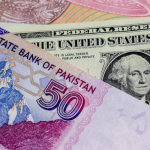

1 USD to PKR
Understanding the 1 USD to PKR exchange rate is essential for anyone dealing with international trade, remittances, savings, or business decisions in Pakistan. The US dollar directly influences prices, inflation, and overall economic stability. A small change in the dollar rate can affect millions of people across the country. This article explains the meaning, movement, and importance of the USD to PKR rate in clear and simple terms, while maintaining economic accuracy.
1 USD to PKR Exchange Rate
The 1 USD to PKR rate represents how many Pakistani rupees are required to buy one US dollar. This rate changes frequently due to demand and supply in the foreign exchange market. When the rupee weakens, more PKR is needed to buy one dollar. When the rupee strengthens, fewer rupees are required.
Pakistan operates on a market-driven exchange rate system. This means the value of PKR against USD is determined by economic conditions rather than being fixed by the government. Because of this, fluctuations are common and sometimes sharp.
Why the US Dollar Is So Important for Pakistan
The US dollar holds global dominance in trade, oil pricing, and international reserves. Pakistan imports fuel, machinery, medicines, and raw materials mostly priced in dollars. When the 1 USD to PKR rate increases, imports become more expensive, pushing prices higher in local markets.
Exports are also affected. A higher dollar rate can make Pakistani exports cheaper for foreign buyers, which may support export growth. However, this benefit often comes with inflationary pressure at home, reducing purchasing power for ordinary citizens.
Factors That Influence 1 USD to PKR
Several interconnected factors influence the movement of the USD to PKR rate. One of the most important is inflation. When inflation in Pakistan rises faster than in the United States, the rupee tends to lose value. This is because higher inflation reduces confidence in the local currency.
Another key factor is foreign exchange reserves. When Pakistan’s reserves are low, the central bank has limited ability to stabilize the rupee. Political uncertainty, policy inconsistency, and delays in international funding also weaken investor confidence, putting pressure on the exchange rate.
Remittances play a stabilizing role. When overseas Pakistanis send more dollars back home, the supply of USD increases, helping control sharp rises in the 1 USD to PKR rate. Similarly, exports contribute positively when export earnings grow consistently.
Historical Movement of 1 USD to PKR
Historically, the PKR has depreciated steadily against the US dollar. In earlier decades, the exchange rate remained relatively stable, but over time structural economic weaknesses became visible. Trade deficits, rising debt, and reliance on imports gradually weakened the rupee.
In recent years, the 1 USD to PKR rate has shown sharp volatility due to global economic pressure, rising oil prices, and domestic fiscal challenges. International Monetary Fund programs have often played a role in stabilizing the currency, though usually at the cost of short-term hardship.
Impact on Common People and Businesses
For common citizens, a rising dollar rate means higher prices for fuel, food, and daily essentials. Inflation reduces purchasing power, making household budgeting more difficult. Savings in PKR lose value, pushing people toward dollars or gold as a hedge.
Businesses face higher operational costs, especially those dependent on imported raw materials. On the other hand, exporters may benefit from improved margins if costs are controlled locally. Freelancers and IT professionals earning in USD gain direct advantage when converting dollars into rupees.
Government and Central Bank Role
The State Bank of Pakistan monitors the 1 USD to PKR exchange rate closely. While it does not fix the rate, it intervenes to prevent extreme volatility. Monetary policy, interest rates, and foreign borrowing decisions all influence currency behavior.
Government policies related to taxation, imports, and exports also impact dollar demand. Consistent economic reforms and political stability are crucial for long-term currency strength. Without structural improvements, short-term fixes offer limited relief.
Future Outlook of USD to PKR
The future direction of the 1 USD to PKR rate depends largely on economic discipline, export growth, and foreign investment. Stable governance and improved productivity can strengthen the rupee gradually. However, global uncertainties and energy prices will continue to influence currency markets.
While exact predictions are unreliable, understanding the underlying drivers helps individuals and businesses plan better. Currency awareness is no longer optional in a globally connected economy.
Conclusion
The 1 USD to PKR exchange rate is more than just a number. It reflects the economic health, policy strength, and global standing of Pakistan. Its movement affects inflation, trade, savings, and daily life across the country. By understanding how and why the dollar rate changes, individuals and businesses can make informed financial decisions. Long-term stability depends on economic reforms, export growth, and sustained confidence in the Pakistani rupee.