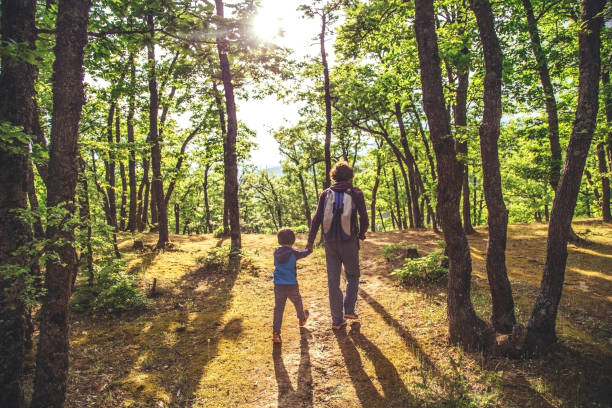

If you’re feeling stressed out or noticing your blood pressure creeping up, a simple walk in the park might help more than you think. Even as a physician in Nagpur, I see patients underestimate the power of spending time outdoors. Nature isn’t just pretty scenery—it can actually have a real impact on your mental and physical health.
Here’s a look at seven ways spending time in nature can help reduce stress and improve blood pressure.
7 Benefits of Spending Time in Nature for Stress and Blood Pressure
1. Lowers Cortisol Levels
Cortisol is the hormone your body releases when stressed. High levels over time can lead to high blood pressure and other health issues.
- Spending just 20-30 minutes outside can lower cortisol.
- Activities like walking, gardening, or even sitting by a pond can make a difference.
- In my practice as a physician in Nagpur, patients who incorporate daily nature time often report feeling calmer.
It’s interesting how something so simple can influence a complex system like our stress response.
2. Reduces Blood Pressure Naturally
Studies show that being in green spaces can lower both systolic and diastolic blood pressure.
- Regular exposure to parks or wooded areas helps relax blood vessels.
- Even looking at natural scenes from your window can have a small effect.
- For patients with mild hypertension, adding outdoor time often complements medication well.
You might wonder if a short walk really helps—but yes, consistency matters more than duration.
3. Improves Heart Rate Variability
Heart rate variability (HRV) is an indicator of how well your body handles stress.
- Time in nature can improve HRV.
- Better HRV means your heart can recover faster from stress.
- Walking trails, riversides, or even a quiet garden can boost HRV.
I’ve noticed that even patients who dislike gyms are more willing to spend time outdoors.
4. Enhances Mood and Mental Health
Nature has a calming effect on the mind.
- Exposure to green spaces reduces anxiety and depressive symptoms.
- Sunlight increases serotonin, which helps mood.
- Many people report feeling lighter and more positive after just 15 minutes outside.
Could this be why people often say they ‘think clearly’ in nature? There’s some truth to it.
5. Encourages Physical Activity
Being in nature often leads to movement.
- Hiking, walking, cycling, or swimming in a natural setting increases physical activity.
- Exercise helps control weight, blood pressure, and stress.
- Even light activity outdoors can feel easier than indoor workouts.
This is where the mental and physical benefits overlap. Moving in a calm environment makes the effort feel less like exercise.
6. Improves Sleep Quality
Spending time outside can help regulate your sleep cycle.
- Natural light helps set your circadian rhythm.
- Better sleep lowers stress and reduces blood pressure.
- Patients often notice improved sleep after a week of morning walks in a park.
Poor sleep is surprisingly common and often overlooked when treating high blood pressure.
7. Strengthens Immune Function
Time in nature exposes you to beneficial microbes and fresh air.
- Studies suggest this can strengthen immunity.
- Lower stress levels from outdoor time also support your immune system.
- For people with chronic stress or blood pressure issues, this is a nice bonus.
You might think only hiking or camping counts, but even short, consistent outdoor exposure helps.
How to Incorporate Nature into Daily Life
You don’t need a forest or a lake nearby. Here are practical ways to get started:
- Walk in a local park for 20 minutes daily.
- Sit outside during lunch or breaks.
- Plant a small garden or care for indoor plants.
- Explore tree-lined streets in your neighborhood.
- Join outdoor community activities like yoga or tai chi.
Even small doses matter if done consistently.
FAQs
1. Can spending time in nature replace medication for high blood pressure?
No. Nature can complement treatment but should not replace prescribed medication. Always consult a physician in Nagpur or your local doctor.
2. How long should I spend outdoors to see benefits?
Even 20-30 minutes a day can help reduce stress and improve blood pressure. Longer sessions provide more benefits, but consistency is key.
3. Are urban green spaces effective?
Yes. Parks, gardens, and tree-lined streets can provide significant benefits, even if you live in a city.
4. Can children benefit too?
Absolutely. Outdoor play improves mood, reduces stress, and can help develop healthy blood pressure habits early.
5. Is it safe to exercise outdoors in extreme weather?
Moderation is important. In extreme heat or pollution, consider indoor alternatives or shaded areas. The key is consistent exposure, not extremes.
Spending time in nature isn’t just a luxury; it’s a simple, effective way to lower stress and blood pressure. As a physician in Nagpur, I’ve seen firsthand how outdoor activity improves both physical and mental health. You don’t need hours or a special setting—regular, mindful exposure is enough.
Take a walk today, even if it’s around your block. Notice the difference it makes in your mood, your stress, and maybe even your blood pressure. Your body and mind will thank you.