Corner sofas have moved from being a space-saving solution to becoming the anchor of the modern living room. After testing a wide range of designs in real homes, showrooms, and family spaces, one thing stands out: the right corner sofa changes how a room feels and how it functions day to day.
Why Corner Sofas Continue to Dominate Modern Living Rooms
The rise of open-plan living
Open-plan layouts demand furniture that zones a space without closing it off. A corner sofa does this naturally. It defines the seating area, encourages conversation, creates flow between the kitchen and the lounge, and avoids the need for multiple separate pieces.
Comfort that works for everyday life
People rarely sit upright for long. They stretch out, tuck their legs under, gather with family, and host friends. A corner layout invites relaxed living, which explains its staying power.
Making the most of awkward spaces
Alcoves, bay windows, or long rectangular rooms often feel difficult to furnish. An L-shaped design fills those gaps cleanly, leaving fewer dead zones.
What an Interiors Expert Looks for in a Corner Sofa
Frame construction and long-term durability
A solid hardwood frame, ideally made in Britain, signals quality from the start. Screwed and glued joints feel stable under pressure. Cheaper frames often creak within months.
Cushion filling and seat depth
Deep seats suit laid-back households. Fibre-filled backs offer sink-in comfort, while foam cores keep their shape. The best designs strike a balance rather than leaning too soft or too firm.
Fabric choice and practicality
Performance fabrics now resist stains without feeling synthetic. Textured weaves hide daily wear better than flat cotton. Leather develops character over time if maintained properly.
Proportions that suit the room
Low backs open up a space visually. Higher backs create a cosy feel in larger rooms. Arm width matters more than most expect; bulky arms eat into usable seating.
Warranty and aftercare
A strong structural guarantee offers reassurance. Brands that stand behind their craftsmanship tend to build better products from the outset.
1. The Custom Corner Sofa for Tailored Living
Every home has its quirks. Sloping ceilings, narrow doorways, or unusual room depths often rule out off-the-shelf options. A Custom Corner Sofa solves this by adapting to exact measurements, preferred fabrics, and specific seat depths.
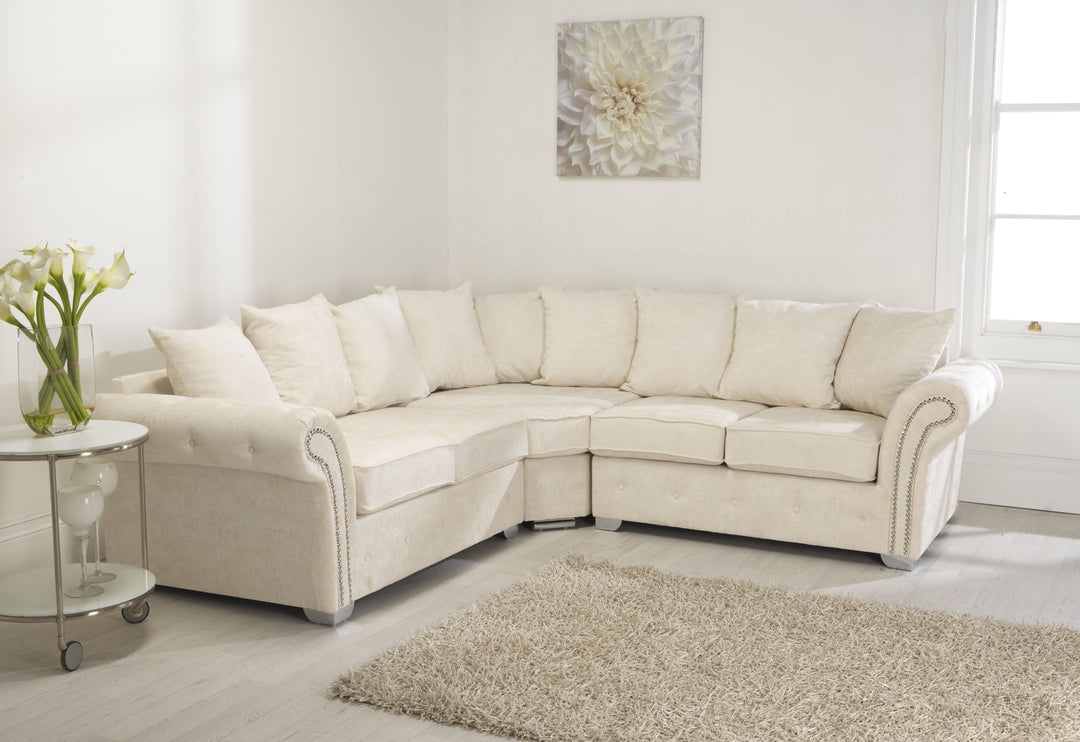
In one Lancashire townhouse, an awkward chimney breast left limited room for standard sizing. A made-to-measure configuration transformed that corner into the most used spot in the house. Tailored sizing prevents wasted inches, which matters more than expected.
Best for unusual layouts and homeowners who plan to stay long term.
2. The Classic Corner Chesterfield Sofa
Deep buttoning, scroll arms, and generous proportions define the traditional Corner Chesterfield Sofa. When scaled into a corner format, it feels grand without overwhelming the room.
This style suits period homes with high ceilings, yet it also adds contrast to modern spaces. Rich velvet or hand-finished leather enhances its presence. The key lies in proportion; slightly slimmer arms modernise the silhouette while keeping its heritage charm.
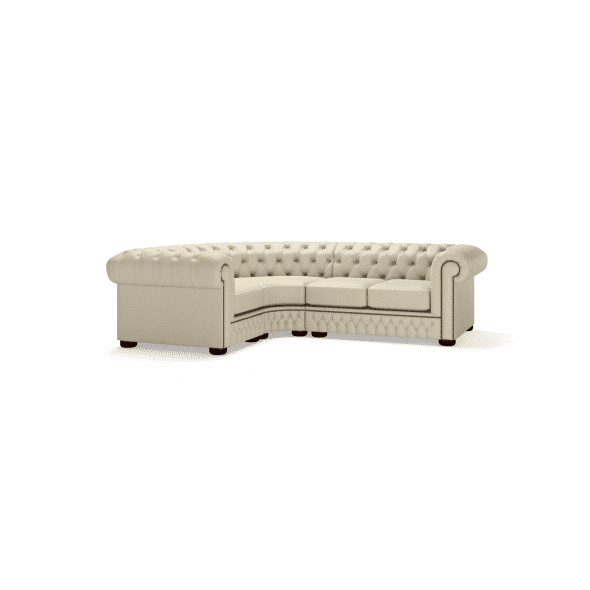
Best for heritage-inspired interiors that value character.
3. The Deep-Seated Family Lounger
Families gravitate towards generous seat depth. Wide chaise sections invite stretching out on film nights. Removable cushion covers make maintenance easier.
During testing in a busy household with two children and a dog, this style handled daily wear with ease. Sturdy frames prevented sagging, and high-density foam kept its shape.
Best for relaxed homes where comfort leads.
4. The Contemporary Low-Profile Corner Sofa
Clean lines, slim arms, and low backs define this look. It works well in apartments or new builds where ceiling heights may be lower.
Neutral fabrics amplify natural light. Black metal legs lift the frame visually, preventing heaviness.
Best for modern interiors with a minimal feel.
5. The Modular Corner Sofa
Flexibility drives its appeal. Individual sections reconfigure as needs change. Extra seating modules slot in easily when hosting guests.
This design suits growing households or anyone who rearranges frequently.
Best for adaptable living spaces.
6. The Compact Corner Sofa for Smaller Rooms
Smaller living rooms still benefit from a corner layout, provided the proportions stay tight. Slim arms, raised legs, and shallow seat depth keep the footprint controlled without sacrificing comfort.
In a two-bedroom terrace, a compact L-shape replaced a standard three-seater and armchair. The result felt cleaner, less cluttered, and easier to move around. Choosing lighter fabrics helped the piece blend into the room rather than dominate it.
Best for city homes where space remains limited but comfort still matters.
7. The Reclining Corner Sofa
Recliners once carried a bulky reputation. Modern versions look far more refined. Hidden mechanisms sit neatly within the frame, preserving clean lines.
Power recline options allow subtle adjustment rather than dramatic movement. Integrated headrests improve support during long evenings in front of the television. Testing revealed that well-built reclining corners feel just as sturdy as fixed models when crafted with strong internal structures.
Best for media rooms or households that prioritise relaxation.
8. The Storage Corner Sofa
Storage designs work harder than most people expect. Lift-up chaise sections reveal generous compartments for blankets, board games, and spare cushions.
In family homes, this extra space reduces the need for additional cabinets. The key is smooth hinges and a solid base panel that supports weight properly. Cheap mechanisms feel flimsy; better versions open cleanly, close softly, and stay aligned over time.
Best for multifunctional living rooms that double as play spaces or guest areas.
9. The Statement Fabric Corner Sofa
Sometimes the sofa leads the design scheme. Bold boucle, rich jewel tones, and textured woven fabrics bring depth into neutral rooms.
One recent installation featured a deep forest green corner set against pale walls and oak flooring. The contrast created warmth without overwhelming the space. Statement pieces work best when the room around them remains relatively simple.
Best for design-led interiors seeking personality.
How to Choose the Right Corner Sofa for Your Home
Measuring properly before ordering
Accurate measurements prevent disappointment. Measure wall lengths, doorways, stair access, and ceiling height. Allow space for walkways and coffee tables. A well-fitted sofa feels intentional rather than squeezed in.
Thinking long term rather than trend-led
Fast-moving trends lose appeal quickly. Neutral foundations, high-quality upholstery, and timeless shapes age better. British-made pieces often reflect this slower approach to design, favouring durability over short-lived fashion.
Balancing budget, quality, and comfort
Price should reflect materials, construction, and service. Handmade frames, premium fabrics, and solid guarantees add real value. GoLounge produces sofas in Lancashire using carefully sourced materials, offering a five-year structural warranty and a 100-day return policy, which reinforces buyer confidence.
A corner sofa does more than fill space. It shapes how people gather, relax, and spend time at home. After testing these nine styles across varied interiors, one conclusion stands: proportion, build quality, and thoughtful design matter far more than passing trends. Choose well, and the sofa becomes the most used seat in the house for years to come.