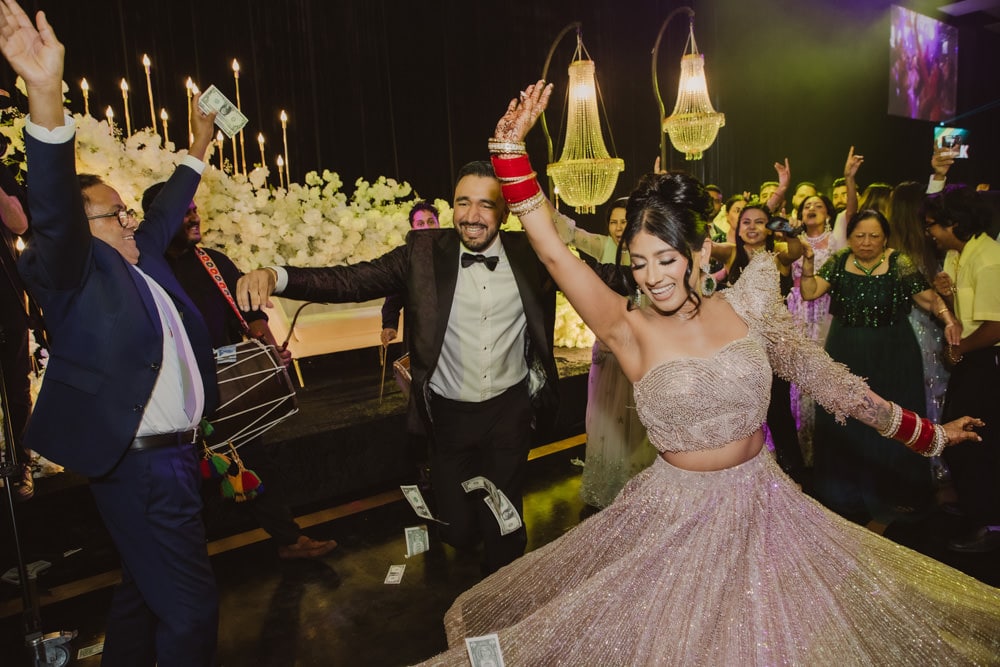

Indian and Asian weddings are known for their colour, energy and larger-than-life celebrations. Music plays a defining role in shaping the mood of every ceremony, from the emotional moments of the pheras or nikah to the full-on dance floor vibes at the reception. Amidst the splendour, families often struggle with one major question: what makes an Indian Wedding DJ different from an Asian Wedding DJ, and how can one create the perfect checklist for both? Although the two may seem similar, each brings its own cultural sensibilities, music formats and event styles.
Understanding the Indian Wedding DJ Style
Indian weddings are a tapestry of rituals, songs and traditions that change from region to region. An Indian Wedding DJ is expected to handle a wide palette of sounds—Bollywood, Tollywood, Punjabi, Gujarati garba, Marathi beats, Tamil kuthu, Malayalam melodies and more. The DJ must understand not only the music but also when to play what, because each ceremony has its own emotional rhythm.
The DJ is usually involved from the moment guests arrive for the mehndi or sangeet, building an atmosphere with soft romantic tracks. As the evening progresses, the energy is gradually increased with dance hits that resonate universally across Indian communities.
The Indian Wedding DJ therefore becomes the emotional thread of the celebration—one who understands the meaning behind each moment and adjusts the soundtrack accordingly.
Understanding the Asian Wedding DJ Style
Asian Wedding DJs, especially those who perform at South Asian, Middle Eastern, Pakistani and Bangladeshi weddings, offer a uniquely blended music experience. Their style often combines Bollywood with Bhangra, Qawwali, Sufi songs, Pakistani pop, Arabic hits, Afrobeats and Western chart music.
This type of DJ must be able to read multicultural crowds and shift gears instantly. Asian weddings are known for larger guest lists, extravagant venues and mixed-age dancing, so the DJ needs the ability to unite many communities on a single dance floor.
Asian Wedding DJs often specialise in big-sound productions: LED video walls, dholteams, CO₂ jets, indoor fireworks and custom bride-and-groom entry tracks. Their playlists include qawwali mixes for dinner, energetic Bhangra sets for the dance floor and emotional Urdu or Punjabi songs for entrances.
They are expected to deliver a more hybrid and global vibe rather than purely traditional, making them popular for modern weddings where couples want a fusion playlist that moves seamlessly across cultures.
Why Couples Need a Clear Checklist Before Booking a DJ
Whether the event is Indian or Asian, music holds the power to elevate or disrupt the celebration. A misplaced song during an emotional ceremony or poorly timed dance number can instantly change the atmosphere. This is why couples need a structured checklist—it ensures the DJ understands expectations clearly and avoids last-minute confusion.
Most families underestimate the level of coordination required. From entrances to transitions, speeches, rituals and reception energy, the DJ controls the flow of the entire wedding. A checklist becomes a reference that helps both families and the DJ stay aligned on timings, song choices and technical requirements.
It also avoids disappointment by clarifying what services are included, what equipment is required, and how much creative freedom the DJ has during the event.
How to Create the Ideal Checklist for an Indian Wedding DJ
A good checklist for an Indian wedding starts with cultural identity. Couples should first identify their community background, song preferences, and the sequence of their rituals. The checklist should include the exact music needed for the bride and groom entrances, varmala, pheras, bidaai and reception segments. Including preferred artists, do-not-play songs and any family requests ensures the DJ respects cultural sentiments. Technical details such as sound requirements for large mandaps, outdoor settings and live musicians should be noted early, so the DJ comes prepared.
How to Create the Ideal Checklist for an Asian Wedding DJ
For Asian weddings, the Asian Wedding Dj checklist must focus more on fusion music and high-energy production. Couples should outline their favourite genres—Bollywood, Bhangra, Urdu romantic songs, Sufi tracks, Arabic beats or Western club music—to help the DJ create a balanced mix. Entry sequences often involve multiple performers like dhol players or LED drummers, so the checklist should clearly describe the timing, song cues and special effects.
Because Asian weddings often have long dinner hours, soft background playlists must also be planned. It is equally important to include expectations for announcements, multilingual hosting, and coordination with photographers during key moments like the couple’s entrance, cake cutting, and first dance.
The Final Thought:
Creating a thorough checklist for each helps eliminate confusion and ensures that every moment—whether sacred or celebratory—is matched with the perfect soundtrack. With the right planning, couples can enjoy a seamless event filled with music that truly reflects their story, heritage, and vision for the perfect wedding celebration.