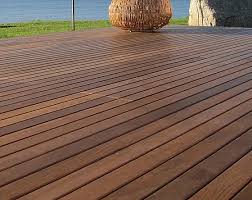

In high-traffic hospitality and urban development projects, outdoor flooring choices directly affect safety, aesthetics, lifecycle cost, and brand perception. Yet many decision-makers still hesitate due to outdated or misleading assumptions. This article breaks down the most common myths surrounding WPC Decking and replaces them with practical, up-to-date insights tailored for today’s commercial environments.
Whether you manage a rooftop restaurant, design luxury outdoor lounges, or plan large-scale urban landscapes, this guide will help you make informed, future-ready decisions.
What Is WPC Decking?
WPC stands for Wood Plastic Composite—a hybrid material engineered from recycled wood fibers and polymers. It is purpose-built for outdoor use, offering stability, moisture resistance, and consistent aesthetics in harsh climates.
For hot, humid, or coastal regions like Dubai and Sharjah, it has become a preferred alternative to natural timber for commercial decks.

Myth vs Reality: The Truth Table
| Myth | Reality |
| It looks fake or “plastic” | Modern textures closely replicate premium hardwood |
| It overheats in the sun | New formulations reduce heat absorption |
| It’s weaker than wood | Engineered for higher load-bearing consistency |
| It’s not eco-friendly | Often made with recycled materials |
| It’s only for homes | Widely used in hotels, malls, and rooftops |
Myth 1: It Looks Artificial and Cheap
Reality: Early-generation composites lacked visual depth. Today’s boards feature multi-tonal finishes, brushed grains, and matte textures that rival teak or ipe—without the maintenance burden.
Why this matters for hospitality brands:
- Consistent color across large floor areas
- Clean visual language for modern design concepts
- Photogenic surfaces for social media and marketing campaigns
Myth 2: It Gets Too Hot for Rooftop Use
Reality: Heat retention varies by formulation and color. Newer boards incorporate cooling pigments and hollow-core engineering that significantly reduce surface temperature.
Design tip for rooftop restaurant owners:
- Choose lighter tones
- Combine decking with pergolas or outdoor furniture layouts
- Use airflow-friendly substructures
This makes WPC Decking suitable even for exposed rooftop venues with heavy footfall.
Myth 3: It Can’t Handle Commercial Loads
Reality: Properly specified composite decking systems are engineered for commercial-grade use. Load ratings are predictable and consistent—unlike natural wood, which varies by species and moisture content.
Ideal for:
- Luxury hotel pool decks
- Outdoor dining zones
- Public promenades
- Mixed-use developments
Structural engineers often prefer composites due to their uniform performance metrics.
Myth 4: It’s Bad for the Environment
Reality: Sustainability has become a core selling point. Many manufacturers now use recycled plastics and reclaimed wood fibers, reducing landfill waste and deforestation.
Sustainability advantages:
- Long lifespan (20–25+ years)
- No chemical sealing or staining
- Lower replacement frequency
For city planners and developers pursuing ESG goals, this material aligns well with green building strategies.
Myth 5: It’s Just a Trend
Reality: Adoption has accelerated, not slowed. Global hospitality chains, urban planners, and landscape architects increasingly specify composite decking due to predictable performance and lifecycle savings.
Trending applications in 2025:
- Rooftop F&B terraces
- Hotel beach clubs
- Mixed-use podium decks
- Outdoor retail promenades
This is why Landscape Contractors in Dubai and Landscaping Companies in Sharjah are now standardizing composite solutions for commercial bids.
Cost vs Value: A Commercial Perspective
While initial costs may exceed untreated timber, the long-term financial picture tells a different story.
Lifecycle Comparison
| Factor | Natural Wood | Composite Decking |
| Annual maintenance | High | Minimal |
| Resistance to rot/insects | Low | High |
| Color stability | Variable | Consistent |
| Replacement cycle | 5–10 years | 20+ years |
For property developers and hospitality executives, predictable lifecycle cost is often more valuable than lower upfront pricing.
Why Designers and Specifiers Are Switching?
- Urban landscape architects: Cleaner detailing, fewer callbacks
- Commercial interior designers: Seamless indoor–outdoor transitions
- Luxury hotel managers: Reduced downtime for maintenance
- Outdoor furniture suppliers: Stable, non-warping surfaces
- Hospitality marketing consultants: Visual consistency across seasons
This shift is not aesthetic alone—it’s operational.
Choosing the Right Partner
Material performance depends heavily on supplier expertise, installation standards, and after-sales support. Progren Flooring works closely with architects, developers, and contractors to deliver commercial-grade decking systems tailored to climate, load, and design intent.
Latest Blog | Can Laser Liposuction Enhance Body Confidence?
FAQs
Is composite decking suitable for coastal or poolside areas?
Yes. It resists moisture, salt air, and splintering better than natural timber.
Can it support heavy furniture and crowds?
When specified correctly, it meets commercial load requirements.
How often does it need maintenance?
Routine cleaning only—no sanding, staining, or sealing.
Does color fade over time?
Minor stabilization occurs in the first months, then remains consistent.
Is WPC Decking approved for commercial codes?
Most systems meet international fire, slip-resistance, and structural standards when properly certified.
Final Thoughts
Most misconceptions stem from outdated products or residential comparisons. Today’s WPC Decking is a mature, engineered solution designed for demanding commercial environments. For hospitality leaders and urban developers, it offers a rare combination of design flexibility, operational efficiency, and long-term value.
If your next project demands durability without compromising aesthetics, it may be time to move past the myths—and build with confidence.