
Measured Building Surveyors:
When planning a construction project, renovation, refurbishment, or property purchase, many people question whether hiring measured building surveyors is truly necessary. Some view the process as an added expense and a delay in moving forward, while others consider it a critical foundation for successful project execution. To understand whether a measured building survey is a time-wasting exercise or an essential investment, it is important to look at what it involves and the value it brings to different stages of a project.
Understanding What a Measured Building Survey Is
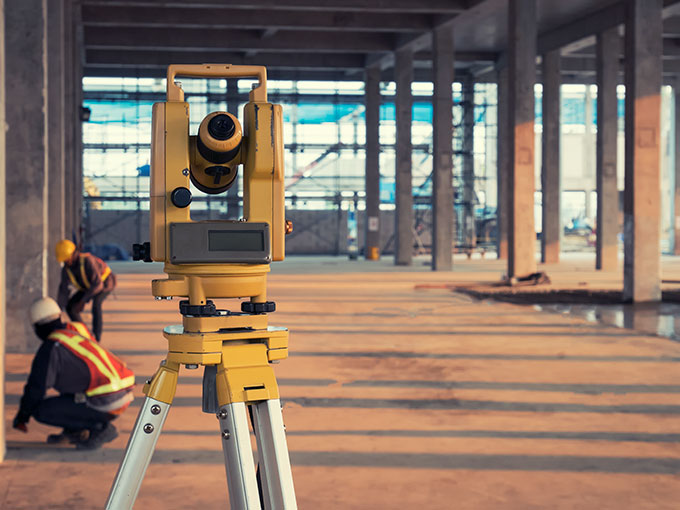
A measured building survey is a detailed and accurate assessment of a property’s physical structure. Professional Measured Building Surveyors use advanced tools such as laser scanners, total stations, and digital measuring equipment to capture precise dimensions of a building. The result is a set of accurate drawings that may include floor plans, elevations, sections, and site layouts. These drawings reflect the true conditions of the building rather than assumptions or outdated records.
This level of accuracy is especially important for older properties, buildings that have undergone multiple alterations, or sites where original drawings are missing or unreliable. Without a measured survey, designers and contractors often rely on guesswork, which can lead to costly errors later.
Why Do Some People See It as a Time Waste?
The perception that measured building surveys waste time often comes from a desire to move quickly. Clients may feel that measuring a building delays the design or construction phase, especially when they are working under tight deadlines. In some cases, people assume that existing plans or rough measurements are “good enough” to proceed.
Budget concerns also play a role. When compared to other visible costs like materials or labor, survey fees may seem unnecessary, particularly for small projects. This mindset can lead to skipping the survey to save money and speed up progress.
However, this short-term thinking often overlooks the long-term consequences of working without accurate data.
Accuracy Saves Time in the Long Run
One of the strongest arguments for measured building surveys is the time they save later in the project. Accurate drawings reduce the risk of design clashes, incorrect material orders, and on-site adjustments. When architects and engineers have reliable information from the start, they can design with confidence, reducing revisions and delays.
Construction projects frequently face setbacks due to unexpected issues, such as walls not being where drawings suggested or ceiling heights being lower than assumed. These surprises can halt work, require redesigns, and increase costs. A measured building survey minimizes these risks by identifying constraints early, allowing them to be addressed during the planning stage rather than during construction.
Supporting Better Design and Planning
Good design depends on accurate information. Measured building surveys provide a clear understanding of spatial relationships, structural elements, and existing conditions. This allows architects to maximize space, improve layouts, and ensure that new designs integrate seamlessly with existing structures.
For renovation and extension projects, surveys are particularly valuable. They reveal irregularities, non-standard dimensions, and structural quirks that are common in older buildings. Without this insight, even experienced designers may struggle to produce practical and compliant designs.
Reducing Financial Risk
While a measured building survey involves an upfront cost, it often prevents far greater expenses later. Errors caused by inaccurate measurements can lead to wasted materials, additional labor, and contractual disputes. In severe cases, mistakes may require demolition and reconstruction, significantly increasing project costs.
From a financial perspective, the survey acts as a form of risk management. It provides certainty and clarity, helping clients avoid unexpected expenses and ensuring that budgets are more realistic and controlled.
Legal and Compliance Benefits
Measured building surveys also play an important role in legal and regulatory compliance. Accurate drawings are often required for planning applications, building regulations, and lease documentation. Local authorities and regulatory bodies expect precise information, and errors can result in rejected applications or delays.
For commercial properties, measured surveys are essential for calculating floor areas accurately. This affects rental valuations, service charges, and property taxation. In such cases, an inaccurate measurement can have long-term financial and legal implications.
Improving Communication Between Stakeholders
Clear and accurate drawings improve communication between everyone involved in a project. Architects, engineers, contractors, and clients all rely on the same information, reducing misunderstandings and conflicting interpretations. This shared understanding helps projects run more smoothly and fosters better collaboration.
When issues do arise, having an accurate survey to refer to makes it easier to identify problems and resolve them quickly.
Conclusion: Waste of Time or Essential Investment?
By providing reliable information from the outset, measured building surveyors help projects move forward with confidence. They reduce uncertainty, improve design quality, and protect clients from avoidable risks. In most cases, investing time in a Measured Building Survey in London is not only necessary but one of the smartest decisions a property owner or developer can make.