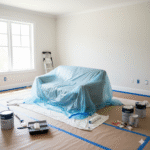
When people start planning a new home or a renovation, smart features often sit at the top of their wish list. The idea of lights that respond to your voice, thermostats that learn your habits, and appliances that update themselves feels both familiar and exciting now. If you are preparing for a remodel such as a kitchen upgrade or even a full bathroom remodeling Massachusetts, this is the best time to think about technology that can grow with your home. The earlier you plan, the easier it becomes to add wiring, controls, or structural needs that support connected systems.
Most homeowners who have lived in older houses know the frustration of trying to add tech later. Running cables through finished walls or working around outdated systems can turn a small project into a long ordeal. When you think about smart features from the start, you can avoid that. More importantly, you give yourself the chance to build a home that is ready for the way people live today.
Smart technology is no longer a luxury item. It has become an everyday tool that helps families manage energy use, security, comfort, and entertainment. The trick is knowing what matters most during the design phase and what can wait until later.
Start With a Strong Foundation
Every smart home begins with dependable wiring and connectivity. Many households push their Wi-Fi networks to the limit with laptops, TVs, tablets, speakers, gaming consoles, cameras, and more. If you are opening walls, consider adding ethernet ports in key areas such as home offices, living rooms, and near entertainment centers. A wired connection supports faster and more stable performance for devices that need it.
Think of your home network as the backbone of your system. Without a strong foundation, even the most advanced smart device can feel sluggish or unreliable. If your layout is large or has multiple floors, you may benefit from built-in access points or strategically placed wiring for mesh systems. These details are easy to include during construction but can be inconvenient to add after the home is finished.
Lighting That Fits Your Daily Rhythm
Smart lighting has come a long way. What started as voice-activated bulbs has grown into complete lighting ecosystems that adjust throughout the day. During a renovation, you can wire dimmer-ready switches or choose fixtures that support low-voltage systems made for modern controls.
Imagine soft lights fading on when you walk into the hall at night, outdoor lights that follow the sunset, or kitchen lights that brighten as you start your day. These features remove small tasks from your routine and add a bit of comfort along the way.
Some homeowners also like using motion or occupancy sensors in spaces like laundry rooms, garages, and closets. These small additions make the home more responsive and often reduce energy waste.
Smart Thermostats and Climate Control
Heating and cooling make up a large portion of a household’s energy use. Smart thermostats help manage that by learning when you’re home and when you’re away. They adjust temperatures to match your schedule without needing constant input.
If you are building new or doing a major renovation, consider zoning your HVAC system. Zoning allows you to control different areas of the home separately. For example, you can keep bedrooms cooler at night while maintaining a different temperature in the living areas. Paired with connected thermostats, zoning makes the whole system more efficient and comfortable.
Radiant floor heating, often added during bathroom or basement renovations, can also be paired with smart controls. This allows you to schedule warm floors for chilly mornings or cooler temperatures when the space is not in use.
Security That Gives Peace of Mind
Modern security systems offer far more than alarms. Today, homeowners can add smart locks, video doorbells, outdoor cameras, window sensors, and even glass-break detectors that communicate directly with their phones.
If you are already replacing exterior doors or updating entryways, this is a good moment to think about smart locks. They work with keypads, phone apps, and sometimes even fingerprint reading. Cameras can be built into new soffits, door frames, or trim so that they look clean and intentional rather than tacked on.
Video doorbells have become a standard feature for many homes. They help with deliveries, guest arrivals, and general security. When installing them during a renovation, consider wiring them directly for uninterrupted power.
Connected Appliances in Kitchens and Laundry Areas
A kitchen renovation opens the door to many smart upgrades. Refrigerators can send alerts when food is low. Ovens can preheat through an app. Dishwashers can run quieter cycles at night or notify you when the load is complete.
In laundry rooms, smart washers and dryers help balance water use, detect the right amount of soap, and track cycle times. These tools offer convenience for busy households and often extend the life of the appliances by optimizing how they run.
During construction, adding extra outlets, dedicated circuits, or built-in storage for hubs and routers can make these appliances perform better and look cleaner in the space.
Energy Monitoring and Solar Planning
Some homeowners like keeping an eye on where their energy goes each day. Smart panels and monitoring systems show real-time data about each circuit. This can help you spot issues early, cut down on waste, and understand your home better.
If you are considering solar, your renovation is the perfect time to prepare your roof and electrical setup. Installing conduits or prewiring during construction saves money later. Even if you are not ready for panels immediately, planning ahead gives you flexibility.
Battery storage has also gained popularity. With smart integration, your home can shift to battery power during outages or peak energy pricing. These features take thoughtful planning, but they can pay off over time.
Voice Assistants and Home Automation Hubs
Many people use voice assistants for daily tasks. They set reminders, adjust lighting, play music, or manage thermostats. During a renovation, think about where these hubs will sit and how they will connect to speakers or media systems.
Whole-home audio continues to trend, especially for people who entertain often or enjoy background music throughout the day. In-wall speakers, ceiling speakers, or centralized audio systems are much easier to install while walls are open.
Automation hubs serve as the brain of your smart setup. They connect devices from different brands so that they operate smoothly together. Planning for them early on ensures your system is organized rather than scattered.
Blinds, Shades, and Other Finishing Touches
Motorized blinds and shades used to be rare, but now they are widely available. They raise and lower based on schedules or respond to sunlight levels. Besides adding comfort, they can help regulate indoor temperatures.
If you want these features, wiring for window treatments during a renovation is much easier than retrofitting them later. Think about rooms that face direct sun, bedrooms where you want better light control, or tall windows that are hard to reach.
Even small details like smart outlets, switches, and garage door controllers add convenience and tie into the larger system you build over time.
Bringing It All Together
The best smart home setups start with thoughtful planning. You don’t need to install every device at once. Instead, focus on the structural parts first: wiring, network strength, power needs, and layout. When those pieces are in place, you can add devices at your own pace as your lifestyle evolves.
If you are already working with a contractor or designer, share your ideas early. They can help you decide where to run cables, how to place outlets, and what infrastructure supports future upgrades. A little preparation now saves a lot of time later.
Trending FAQs
1. Do smart home features raise home value?
Many buyers appreciate homes with built-in tech. Features like smart thermostats, lighting controls, and security systems can make a home stand out.
2. Can I add smart features to an older home?
Yes. Many devices work wirelessly. Still, adding wiring during a renovation makes the system more reliable.
3. Are smart devices hard to maintain?
Most update themselves. Once installed, they need little attention aside from occasional app changes or battery replacements.
4. Will smart home tech become outdated quickly?
Good infrastructure prevents this. Solid wiring, a strong network, and compatible hubs help support new devices for years.
5. Is it expensive to add smart features during remodeling?
Costs vary, but adding wiring or planning during construction is usually more affordable than upgrading later.
As you shape your next build or renovation, smart features can make your home more comfortable and efficient. With the right planning, you create a space that supports today’s technology and tomorrow’s upgrades. When you reach the finishing touches, even choices like color and texture can bring everything together. If you want to refresh the look while adding smart convenience, the Best custom painting service framingham ma can help your home feel complete.