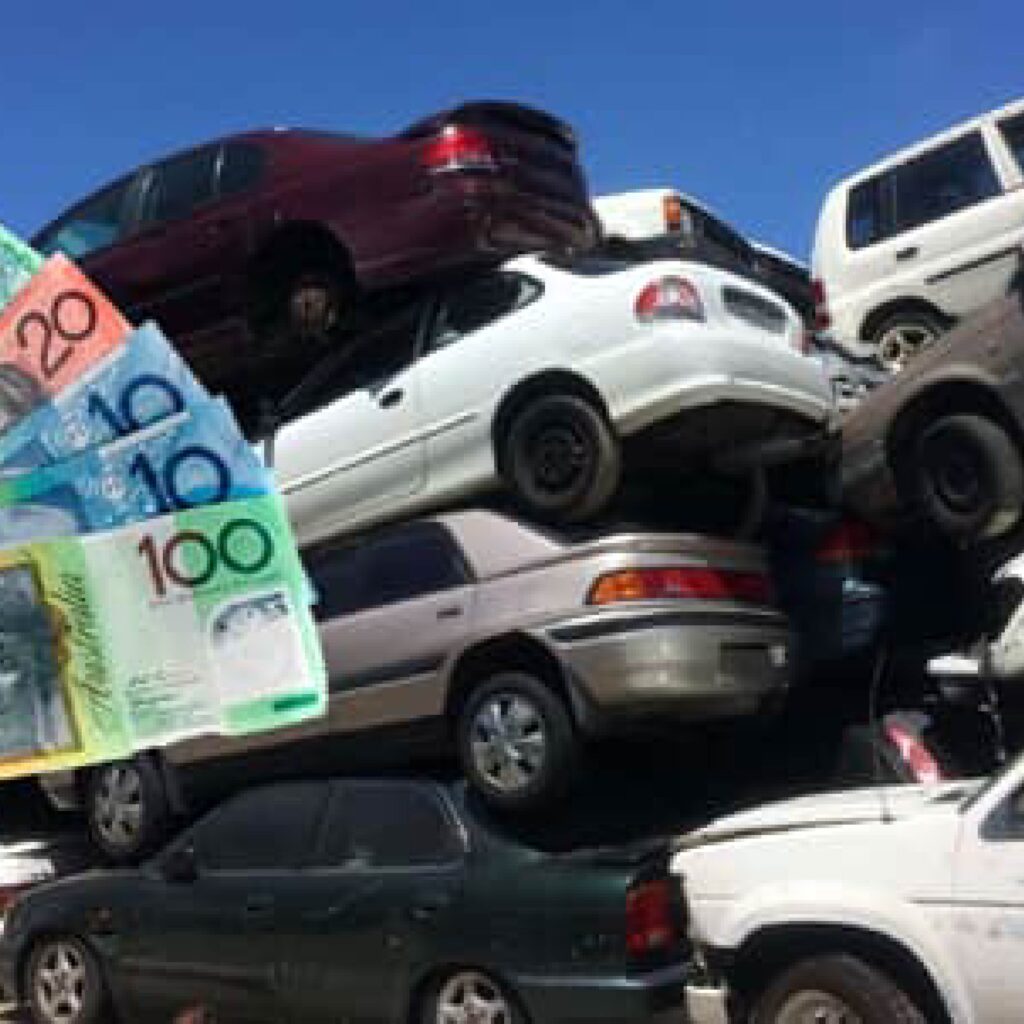

Flooding is a serious issue across many parts of Queensland, including the Sunshine Coast. Heavy rain, overflowing creeks, and flash floods can leave vehicles under water in minutes. When this happens, many car owners face the same problem. The car no longer runs, repair costs are high, and selling becomes difficult. This guide explains how to handle a flood-damaged car, what the law says, and what options exist for owners on the Sunshine Coast.
Understanding Flood Damage in Vehicles
Flood damage happens when water enters parts of the car that are not designed to get wet. This includes the engine, gearbox, electrical system, interior, and safety components.
What Water Does to a Car
Water causes corrosion. It damages wiring, rusts metal parts, and weakens electronic systems. Even clean rainwater can cause long-term damage. Floodwater often contains mud, oil, sewage, and chemicals. These make the damage worse and harder to fix.
Modern vehicles use many sensors and control units. When water reaches these parts, problems can start weeks later. This is why many flood-damaged cars fail after being repaired.
Signs That a Car Has Flood Damage
Some signs appear straight away. Others show up later.
Common Signs
- Damp or stained carpets
- Fog inside headlights or dashboard display
- Musty smell inside the cabin
- Electrical faults such as windows not working
- Engine warning lights staying on
If water reached the dashboard level, the car is likely unsafe to drive.
Why Flood-Damaged Cars Are Hard to Repair
Repairs are not just about drying the car. Water enters hidden areas. Wiring runs under carpets and behind panels. Control units sit under seats and inside the dash.
Electrical System Damage
Once wiring corrodes, it becomes unreliable. Problems may appear one by one. This makes fault finding slow and costly.
Engine and Gearbox Issues
If water enters the engine or gearbox, internal parts can rust. Even after drying, damage may already be done. Bearings, pistons, and gears may fail later.
Safety System Problems
Airbags, seatbelt pretensioners, and crash sensors can fail after water exposure. These parts are costly and critical for safety.
Queensland Laws About Flood-Damaged Cars
Queensland has clear rules about damaged vehicles.
Written-Off Vehicles
If an insurer declares a car as a statutory write-off, it cannot return to the road. If it is a repairable write-off, it must pass strict inspections before registration.
Disclosure Rules
Sellers must tell buyers about flood damage. Hiding this information is illegal. Buyers have the right to know the full history of the vehicle.
Failing to disclose can lead to fines and legal action.
Should You Repair or Sell a Flood-Damaged Car
This depends on damage level, age of the car, and repair cost.
When Repairs Do Not Make Sense
- Water reached the dashboard
- Electrical system has multiple faults
- Airbags were triggered
- Interior has heavy mould
- Engine was under water
In these cases, repair costs often exceed the car value.
When Repairs Might Be Possible
- Water only reached the floor
- No electrical issues
- Engine was not flooded
- Car is still under manufacturer warranty
Even then, careful inspection is needed.
Market Reality on the Sunshine Coast
The Sunshine Coast has many low-lying areas. During heavy rain seasons, many vehicles are affected. This increases the number of flood-damaged cars in the local market.
Buyers in this region are cautious. Most private buyers avoid flood-affected vehicles. Dealers often refuse them. This limits selling options.
How to Sell a Flood-Damaged Car Legally
Honesty is required.
Step 1: Get an Assessment
A mechanic can check how far water reached and what parts are affected. This gives a clear picture.
Step 2: Check the PPSR
The Personal Property Securities Register shows if a car is written off. Buyers often check this before purchase.
Step 3: Gather Documents
Have proof of ownership, identification, and any insurance paperwork ready.
Step 4: Choose the Right Buyer
Private buyers usually want running cars. Dealers prefer clean stock. This leaves specialist buyers who deal with damaged vehicles.
Why Many Owners Choose Cash Buyers
Flood-damaged cars have low resale value in private markets. Many owners choose buyers who handle damaged vehicles for parts or recycling.
These buyers assess metal, parts, and salvage value rather than road use.
Environmental Impact of Abandoned Flood Cars
Leaving a flood-damaged car on the street or property can cause issues.
- Oil and fluids may leak into soil
- Rust can contaminate nearby areas
- Council fines may apply
- Neighbours may complain
Removing the car helps keep the area clean and safe.
Local Fact: Flood Patterns on the Sunshine Coast
The Sunshine Coast experiences summer storms and east coast lows. Areas near rivers, canals, and low coastal zones face higher risk. During major rain events, hundreds of vehicles can be affected in a single week.
This is why demand for damaged vehicle removal rises after storms.
What Happens to Flood-Damaged Cars After Sale
Once sold, the car is usually:
- Stripped for usable parts
- Drained of fluids
- Crushed and recycled
Steel, aluminium, copper, and plastics are reused. This reduces landfill waste and supports recycling.
Common Mistakes to Avoid
Hiding Damage
Buyers can detect flood signs. Hiding information leads to disputes.
Spending Too Much on Repairs
Replacing carpets, wiring, and modules costs thousands. This money is often not recovered.
Leaving the Car Unused
Letting the car sit increases rust and mould. Value drops over time.
How the Process Usually Works
- Owner contacts a buyer
- Details about damage are shared
- Price is offered based on condition
- Collection is arranged
- Ownership is transferred
The process is simple when documents are ready.
A Practical Option for Sunshine Coast Owners
For many people, using a service that handles damaged vehicles is a realistic path. This is where cars for cash sunshine coast services become useful. These services focus on vehicles that are no longer practical to repair. They handle collection and paperwork, which suits owners who do not want the car sitting on their property. If you are looking to move on from a flood-damaged vehicle without delays, this option fits well with the situation. This approach links naturally with flood damage cases, as these vehicles often have limited resale options.
Financial Reality of Flood-Damaged Cars
Insurance companies use strict guidelines. If repair cost is more than a set percentage of the car value, the vehicle is written off. For older cars, this point is reached quickly.
Even without insurance, owners face similar numbers. A ten-year-old car with major electrical damage may cost more to fix than its market worth.
How Flood Damage Affects Registration
If a car is written off, registration is cancelled. Re-registering requires inspections. These include:
- Structural checks
- Identity checks
- Safety checks
This process costs time and money. Many owners choose not to go through it.
Safety Risks of Driving Flood-Damaged Cars
Driving a flood-damaged car can be dangerous.
- Brakes may fail
- Airbags may not deploy
- Steering systems may lock
- Engine may stall without warning
These risks affect not only the driver but also other road users.
Selling Privately Versus Selling for Parts
Private Sale
- Limited buyer interest
- Lower price
- Legal disclosure needed
- Longer time on market
Selling for Parts or Scrap
- Buyer understands damage
- No test drives
- Faster outcome
- No advertising needed
Most flood-damaged cars suit the second option.
What Buyers Look At in Flood Cars
- Body condition
- Engine state
- Wheels and tyres
- Catalytic converter
- Battery
- Aluminium parts
Even if the car does not run, these parts still have use.
Timing Matters
After floods, many owners list cars at once. This increases supply and lowers demand. Acting sooner may bring a better result.
How to Prepare Your Car Before Sale
- Remove personal items
- Find ownership papers
- Take clear photos
- Note damage honestly
This helps the process run smoothly.
Local Council Rules
Councils may issue notices for unregistered or abandoned vehicles. Keeping a flood-damaged car on the street can lead to fines. Removing it avoids trouble.
Emotional Side of Flood Loss
Cars often hold memories. Flood damage feels sudden and unfair. Many owners struggle with the decision to let go. Knowing the facts helps make a clear choice.
Final Thoughts
Selling a flood-damaged car on the Sunshine Coast is not simple, but it is manageable. Floodwater causes hidden damage that makes repairs risky and costly. Queensland laws require full disclosure. Private buyers are cautious. Dealers often refuse such vehicles. For many owners, selling the car for parts or recycling is the most practical path.
Acting early, staying honest, and choosing the right option saves time and avoids ongoing costs. Floods are part of life in this region. Knowing what to do when your car is affected puts you in control of the situation