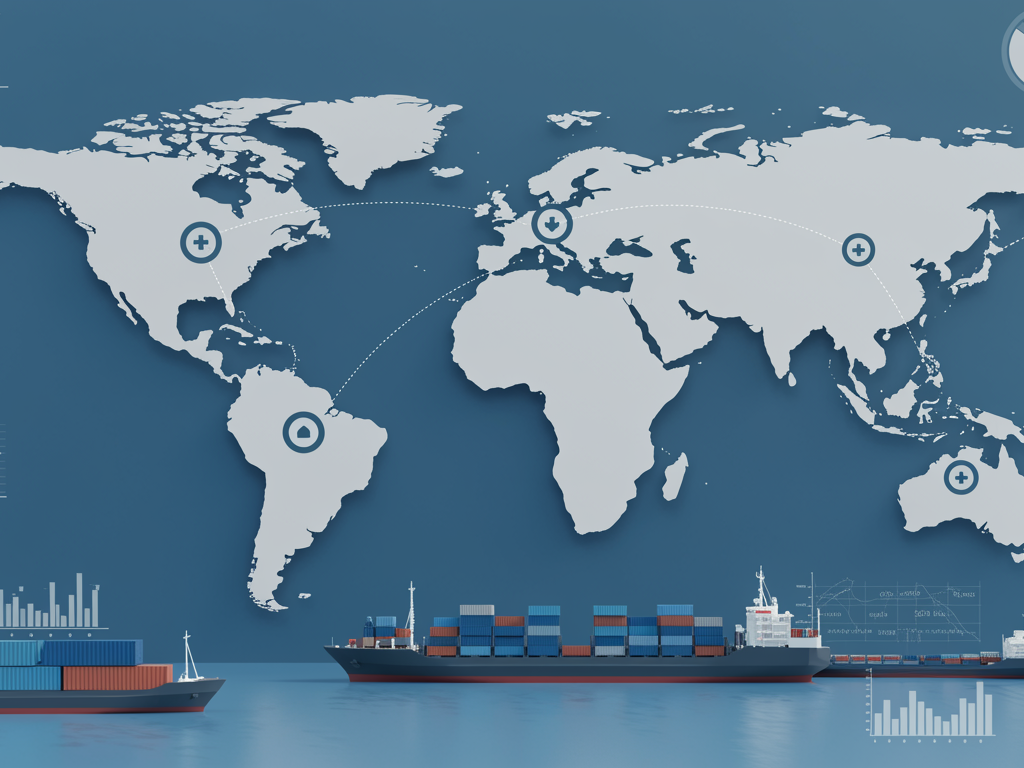

Global business keeps getting more connected, but that connection comes with a growing list of rules and risks. Companies moving goods across borders now face a web of shifting requirements that can trip up even seasoned teams. Trade compliance issues arise daily, from unexpected sanctions to new sustainability demands. Staying ahead means understanding these hurdles and developing effective strategies to address them.
Rising Global Trade Compliance Issues and Strategies for Staying Ahead
In recent years, geopolitical tensions have intensified, resulting in more sanctions and tighter export controls. With the increasing focus on ethical sourcing and environmental standards, international trade compliance has become a full-time job.
1. Increasing Complexity of Global Trade Regulations
The landscape of global trade regulations is more complex than ever. Countries implement new rules on tariffs, product standards, and customs procedures with little warning. Businesses must track these changes closely to ensure each shipment meets legal requirements. Compliance teams are challenged with managing rules across multiple regions simultaneously, often requiring specialized knowledge for specific countries or industries.
Digital record-keeping is essential. Accurate documentation of shipments, certificates, and invoices reduces errors and simplifies trade compliance reporting. Businesses using automated tools can detect inconsistencies faster and respond to audits with confidence.
2. Transparency in Supply Chains
Transparency is a growing requirement in international commerce. Authorities now expect detailed reporting on the origin of goods, manufacturing processes, and transport routes. For companies involved in international shipping, ensuring proper documentation and traceability is critical.
Lack of transparency can lead to shipment delays or increased scrutiny at customs. Regular internal audits and staff training help maintain high standards of reporting. Companies that build transparent processes for verifying information reduce the risk of errors and strengthen compliance overall.
3. Navigating Trade Sanctions and Export Controls
Trade sanctions and export restrictions are stricter than ever. Some countries impose limits on certain products, technologies, and services, requiring businesses to verify transactions thoroughly. Noncompliance carries serious consequences, including fines and operational restrictions.
Companies using an EOR can benefit from expert management of export responsibilities. This support allows internal teams to focus on operations while ensuring legal compliance in high-risk regions.
With sanctions tightening, an EOR or exporter-of-record service can ease the burden on your team. We stand ready with the support your company needs for secure global activity.
4. Data Management Challenges
Maintaining accurate data is one of the biggest challenges in international trade. Different authorities require unique formats for trade compliance reporting, and mistakes can trigger audits or penalties. Businesses need centralized systems to efficiently collect, store, and analyze compliance data.
Technology plays a key role in addressing these challenges. Platforms that automate reporting, track shipments, and monitor compliance metrics reduce human error. Advanced tools also provide real-time alerts on regulatory changes, helping companies respond quickly and maintain operational stability.
5. Employee Training and Knowledge Gaps
Human error remains a major factor in international trade compliance failures. Employees may not fully understand import-export regulations or proper documentation procedures. Comprehensive training programs and certifications help staff stay informed and accurate.
Interactive workshops, online courses, and continuous learning opportunities ensure employees understand the importance of compliance. Staff knowledgeable about trade rules are more likely to prevent errors and identify potential risks before they escalate.
6. Adoption of Technology in Compliance
Modern trade compliance solutions increasingly rely on technology. Cloud-based systems enable real-time shipment tracking and automated document verification. Integration with ERP platforms ensures smooth cross-departmental communication and reduces operational bottlenecks.
Automation reduces repetitive manual work and improves efficiency. Software can flag inconsistencies, generate compliance reports, and continuously monitor regulatory adherence. Companies that invest in these solutions gain a clear overview of their trade operations and minimize the likelihood of penalties.
7. Collaboration with Compliance Experts
Partnering with third-party experts has become an effective strategy for managing trade compliance issues. Consultants, customs brokers, and specialized service providers can guide businesses through audits, regulatory changes, and process improvements.
These experts offer insights into risk management, policy development, and employee training. Collaboration ensures that companies maintain compliance while focusing on core business activities. This approach also strengthens relationships with regulatory authorities and reduces the stress of complex global operations.
8. Cost Implications and Risk Management
Failure to meet global trade regulations can be costly. Penalties, shipment delays, and damaged reputations affect both revenue and operational efficiency. Investing in proper compliance processes and technology mitigates these risks.
Regular audits, accurate documentation, and proactive monitoring of rules are critical for maintaining smooth operations. Businesses that plan strategically can reduce exposure to fines and ensure that global supply chains run without interruptions.
9. Building a Culture of Compliance
A strong culture of compliance benefits both employees and the business. When staff understand the importance of trade compliance reporting, they are more likely to follow established protocols. Accountability and transparency become natural parts of everyday operations.
Regular reviews, open communication, and performance tracking reinforce a culture of accuracy. Companies that promote compliance as a shared responsibility minimize errors and maintain a reputation for reliability in international trade.
Strategies that Strengthen an International Trade Compliance Program
Below are practical methods that help companies build stronger, more adaptable compliance programs in a changing global landscape.
- Continuous learning keeps teams prepared for shifting global rules. Regular updates, expert sessions, and open communication help staff stay confident and accurate.
- Mapping the whole supply chain improves control and highlights hidden risks. Clear visibility across every step helps predict points where trade compliance issues may appear.
- Skilled partners strengthen compliance in complex markets. They provide valuable support and reduce legal exposure when entering new regions.
- Company-wide involvement creates a stronger international trade compliance culture. When each department understands its role, errors decline, and clarity becomes part of daily operations.
Final Thoughts
A strong international trade compliance program does more than protect a business. It creates stability in a landscape shaped by constant change. Companies that commit to clarity, consistency, and responsible global practices gain a real competitive advantage because trust grows with every shipment that moves without complication. The most successful teams treat compliance as a long-term investment that supports growth and protects their global reputation. If you’re feeling the pressure of these new rules and struggling with DDP international shipping, We provide the guidance you need to streamline your trade. Let’s build a plan that keeps your business moving forward, confidently and compliantly!