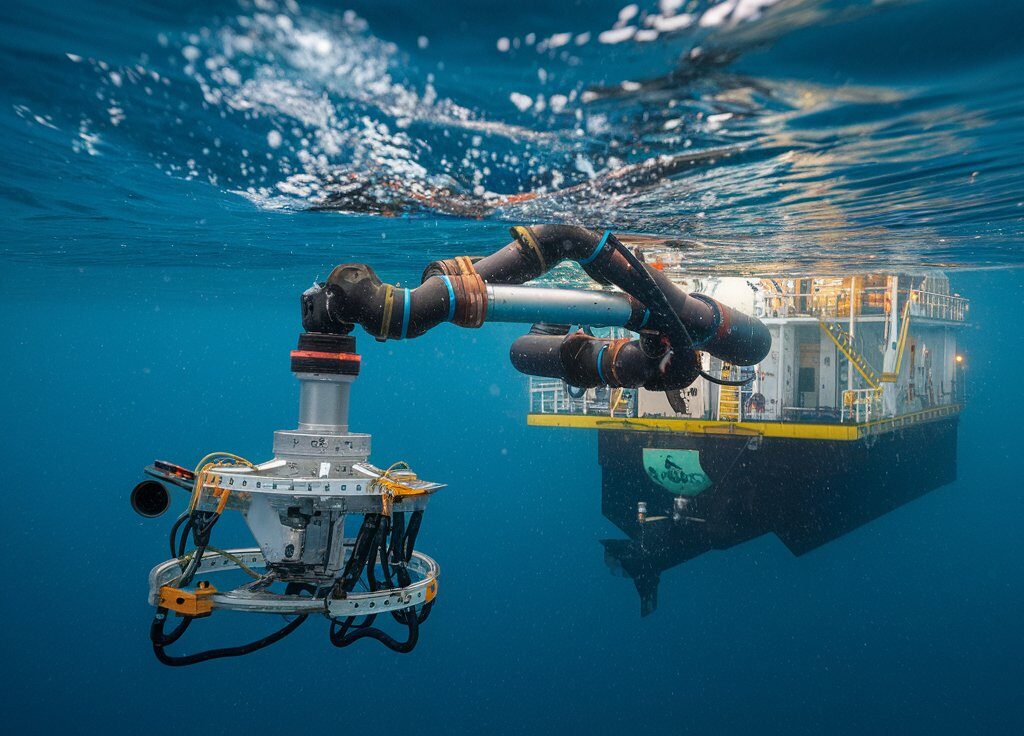

Subsea intervention services have long been critical to the offshore energy sector, ensuring the integrity, maintenance, and efficiency of underwater infrastructure. With increasing depths, harsher environments, and growing demand for operational efficiency, traditional methods alone are no longer sufficient. Emerging technologies are now redefining how subsea interventions are executed, enhancing safety, precision, and cost-effectiveness.
Today, operators rely on offshore subsea solutions that integrate robotics, digital monitoring, and advanced analytics. These innovations are enabling faster interventions while minimizing human risk, marking a significant shift in subsea operational strategy.
The Growing Complexity of Subsea Infrastructure
Modern subsea fields are more complex than ever. Deepwater installations, extended pipelines, and multi-field developments demand sophisticated monitoring and intervention approaches. Conventional human-diver operations are often impractical due to extreme depths, high pressures, and challenging environmental conditions.
This complexity has driven investment in technology-driven solutions capable of operating autonomously or semi-autonomously, reducing operational downtime and improving overall system reliability.
Robotics and Autonomous Systems
Robotics has emerged as a cornerstone of modern subsea intervention. Remotely Operated Vehicles (ROVs) and Autonomous Underwater Vehicles (AUVs) allow precise inspection, maintenance, and repair in areas that are otherwise inaccessible.
ROVs equipped with high-definition cameras and manipulators perform intricate tasks, from valve adjustments to pipeline inspections. AUVs, on the other hand, are programmed to conduct systematic surveys and detect anomalies with minimal human intervention. Together, they dramatically reduce operational risk while maintaining high accuracy.
Digital Twins and Predictive Analytics
Digital twin technology is transforming how subsea assets are managed. By creating a virtual replica of subsea infrastructure, operators can simulate scenarios, predict potential failures, and optimize maintenance schedules.
Predictive analytics analyze real-time data from sensors to forecast component wear or environmental threats. This proactive approach reduces unplanned interventions, improves safety, and extends asset lifespan.
Advanced Sensors and Real-Time Monitoring
High-performance sensors are critical to modern subsea operations. Pressure, temperature, flow, and corrosion sensors provide continuous data streams that inform decision-making in real-time.
Integration of these sensors into centralized monitoring systems allows operators to detect anomalies early and plan interventions more effectively. Real-time monitoring ensures operational continuity and mitigates risks associated with unexpected failures.
AI and Machine Learning in Subsea Operations
Artificial intelligence (AI) and machine learning are increasingly applied in subsea interventions. These technologies analyze vast amounts of operational data to identify patterns and optimize workflows.
For instance, AI algorithms can assess pipeline stress levels, predict areas of potential damage, and recommend maintenance actions. The result is smarter, more precise intervention planning and execution.
Subsea Robotics for Maintenance and Repair
Maintenance and repair tasks are often the most challenging aspects of subsea intervention. Modern subsea robotics now perform complex operations such as subsea welding, valve replacement, and pipeline coupling.
Robotic manipulators are capable of executing precise movements under high pressure, reducing human exposure to hazardous environments. These systems increase efficiency, minimize operational risk, and improve reliability across subsea networks.
Enhancing Safety Through Remote Operations
Safety remains a top priority in subsea interventions. Emerging technologies enable remote operations, significantly reducing the need for human divers in high-risk areas.
Operators can control ROVs and other robotic systems from secure surface facilities, maintaining operational oversight while mitigating exposure to extreme pressures, low visibility, and unpredictable environmental conditions.
Energy Efficiency and Environmental Sustainability
Emerging subsea technologies not only improve operational performance but also enhance energy efficiency and environmental stewardship. Optimized robotic operations reduce fuel consumption, while precise interventions limit environmental disturbances to the seabed.
Monitoring systems also detect potential leaks or contamination early, supporting proactive environmental management. Sustainable practices are becoming integral to subsea operations.
Integrating Offshore Subsea Solutions into Asset Management
Offshore subsea solutions play a pivotal role in overall asset management. By combining robotics, digital monitoring, and predictive analytics, operators can extend asset life, optimize maintenance budgets, and improve operational uptime.
Integrated solutions enable a holistic view of subsea infrastructure, ensuring interventions are targeted, effective, and minimally disruptive. This integrated approach supports both economic and operational objectives.
Remote Collaboration and Operational Coordination
Emerging technologies also facilitate remote collaboration across global teams. Engineers, data analysts, and operational managers can access real-time subsea data to plan interventions, share insights, and make informed decisions.
This coordination enhances the speed and quality of subsea operations while minimizing human presence in challenging offshore environments.
Reducing Costs Without Compromising Quality
Subsea interventions are traditionally resource-intensive and expensive. By leveraging advanced technologies, operators can reduce the number of offshore trips, optimize intervention schedules, and limit equipment downtime.
Automation and predictive analytics help balance cost efficiency with operational quality, ensuring interventions are both safe and economically viable.
The Role of Simulation and Virtual Training
Virtual simulation platforms are increasingly used to train personnel for complex subsea interventions. Operators can practice remote ROV handling, emergency response, and maintenance procedures in a risk-free virtual environment.
Simulation improves readiness, reduces human error, and enhances confidence in executing high-stakes interventions underwater.
The Future of Subsea Intervention
The subsea industry continues to evolve rapidly. Emerging technologies such as swarm robotics, AI-driven predictive maintenance, and fully autonomous intervention systems promise to reshape operational paradigms.
These innovations will allow operators to perform increasingly complex tasks at greater depths, with higher efficiency and improved safety. The future points toward a digital, intelligent, and highly automated subsea ecosystem.
Conclusion: Technology as a Catalyst for Change
Subsea intervention services are undergoing a technological revolution. Robotics, predictive analytics, AI, and real-time monitoring are transforming how operators maintain and optimize underwater assets.
By adopting offshore subsea solutions, energy companies can enhance safety, efficiency, and sustainability while reducing operational costs. The integration of emerging technologies is not just a strategic advantage—it is becoming the standard for modern subsea operations.
Technological innovation ensures subsea interventions remain safe, precise, and future-ready, positioning operators to meet the challenges of increasingly complex offshore environments.