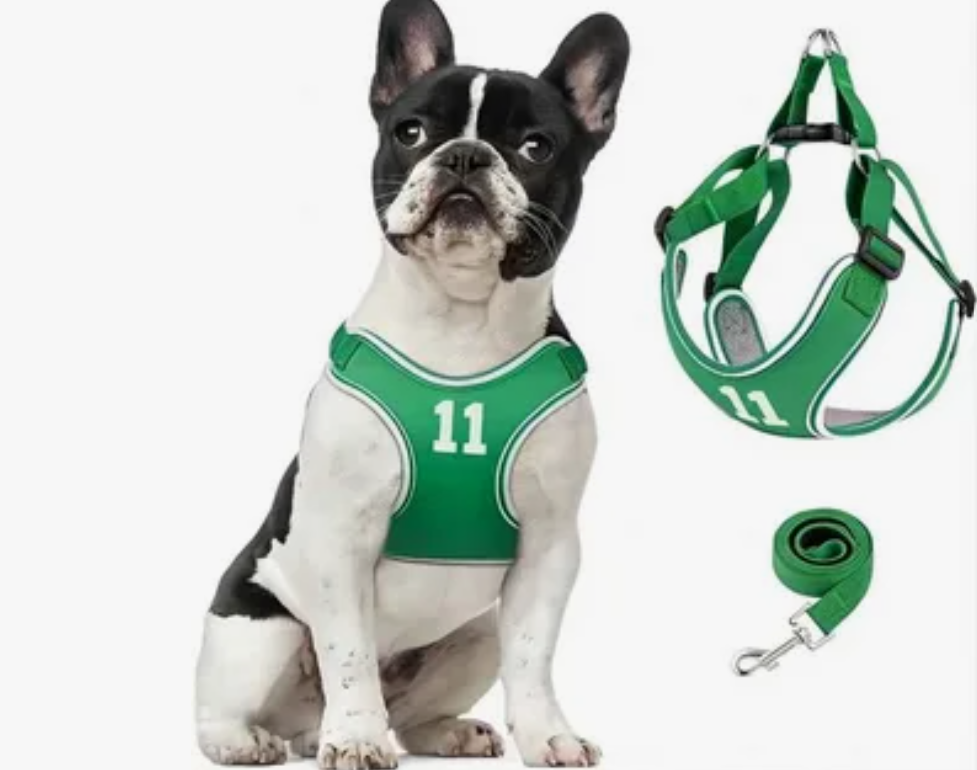

For bulldog owners, ensuring the comfort, safety, and mobility of their furry companions is always a top priority. One of the most essential tools to achieve this is a bulldog harness. Unlike traditional collars, a well-fitted harness can provide better control, reduce strain on your bulldog’s neck, and make walks a much more enjoyable experience. In this guide, we’ll explore everything you need to know about bulldog harnesses, including types, benefits, fitting tips, and top considerations to keep your bulldog healthy and happy.
Why a Bulldog Harness Is Essential
Bulldogs have unique body structures: broad shoulders, stocky bodies, and short noses. These traits make them prone to certain health issues, such as respiratory problems and joint stress. Using a traditional collar can place unnecessary pressure on your bulldog’s neck and trachea, especially if they tend to pull on the leash.
A bulldog harness distributes pressure evenly across the chest and shoulders, reducing the risk of injury. It also gives you more control during walks, which is particularly important for energetic or stubborn bulldogs. Whether you’re taking a leisurely stroll around the neighborhood or heading to a dog park, a harness ensures safety for both you and your pet.
Types of Bulldog Harnesses
When searching for the perfect bulldog harness, it’s important to understand the different types available:
1. Step-In Harness
Step-in harnesses are designed for easy use. Your bulldog simply steps into the harness, and you secure it with buckles on the back. This style is ideal for bulldogs who may be sensitive about things going over their heads. Step-in harnesses typically offer adjustable straps, ensuring a snug but comfortable fit.
2. Vest Harness
Vest harnesses are padded and cover more of your bulldog’s chest and torso. They provide maximum comfort and are especially good for bulldogs who pull. The vest design helps prevent chafing and distributes weight evenly, reducing stress on joints.
3. No-Pull Harness
For bulldogs who like to tug during walks, a no-pull harness can be a game-changer. These harnesses feature a front clip on the chest, which redirects your dog’s forward motion when they pull. Over time, this can help train your bulldog to walk politely on a leash without causing discomfort.
4. Back-Clip Harness
Back-clip harnesses have a leash attachment on the back. They’re perfect for calm walkers or short strolls and often double as car seat harnesses for safe travel. While they don’t offer the same level of control as front-clip options, they are simple, lightweight, and comfortable for everyday use.
Key Benefits of a Bulldog Harness
Using a bulldog harness offers several important advantages:
- Neck Safety: Protects the neck and trachea from strain.
- Better Control: Easier to manage walking, especially in busy areas.
- Comfort: Even weight distribution across the chest and shoulders.
- Training Aid: Front-clip harnesses help discourage pulling.
- Versatility: Many harnesses double as car safety restraints.
How to Measure Your Bulldog for a Harness
A proper fit is crucial for comfort and safety. Here’s how to measure your bulldog before purchasing a harness:
- Chest Girth: Measure the widest part of your bulldog’s chest, usually just behind the front legs.
- Neck Circumference: Measure around the base of the neck, where the collar normally sits.
- Weight and Size: Some harnesses provide recommendations based on your dog’s weight or breed.
Once you have these measurements, compare them to the sizing chart provided by the harness manufacturer. A correctly sized bulldog harness should be snug but allow you to fit two fingers comfortably between the harness and your dog’s body.
Tips for Introducing a Bulldog to a Harness
Some bulldogs may resist wearing a harness at first. Follow these steps to make the transition easier:
- Familiarize: Let your bulldog sniff and explore the harness before putting it on.
- Positive Reinforcement: Use treats and praise to create a positive association.
- Short Sessions: Start with brief periods of wearing the harness, gradually increasing the duration.
- Check Comfort: Ensure straps aren’t rubbing, pinching, or restricting movement.
With patience, most bulldogs quickly adapt to the feel of a harness and may even prefer it over a collar.
Material and Durability Considerations
When choosing a bulldog harness, material and build quality matter. Common materials include:
- Nylon: Lightweight, durable, and easy to clean.
- Mesh: Breathable, ideal for hot weather or active dogs.
- Leather: Strong, stylish, and long-lasting but may require more care.
Check the buckles, D-rings, and stitching for durability. Bulldogs are strong dogs, so a sturdy harness ensures safety and longevity.
Common Mistakes to Avoid
Even experienced bulldog owners can make mistakes when selecting a harness. Avoid these pitfalls:
- Incorrect Size: Too tight can cause chafing; too loose can lead to slipping out.
- Ignoring Pulling Behavior: Not all harnesses are created for pulling; choose a front-clip design if needed.
- Neglecting Adjustments: Bulldogs grow and change weight over time; regularly adjust straps for a proper fit.
- Poor Quality Materials: Cheap harnesses may break or irritate your dog’s skin.
By being mindful of these factors, you can ensure a safe and enjoyable walking experience.
Recommended Uses for a Bulldog Harness
A bulldog harness is versatile and can be used in various scenarios:
- Daily Walks: Provides comfort and control for regular exercise.
- Training: Helps with leash manners and discourages pulling.
- Car Travel: Certain harnesses can attach to seat belts for safety.
- Outdoor Adventures: Hiking, parks, or trips to the beach.
Having a reliable harness can make every outing more manageable and enjoyable for both you and your bulldog.
Final Thoughts
Investing in a high-quality bulldog harness is one of the best decisions you can make for your pet’s safety, comfort, and overall well-being. From step-in to vest, front-clip to back-clip, there are many options available to suit your bulldog’s personality, size, and behavior. Remember to measure carefully, consider material and durability, and introduce the harness gradually to your dog.
With the right harness, walks become safer, training becomes easier, and your bulldog can enjoy life without discomfort or unnecessary strain. Whether you have a playful puppy or a mature bulldog, a properly fitted bulldog harness is an essential tool for every responsible pet owner.