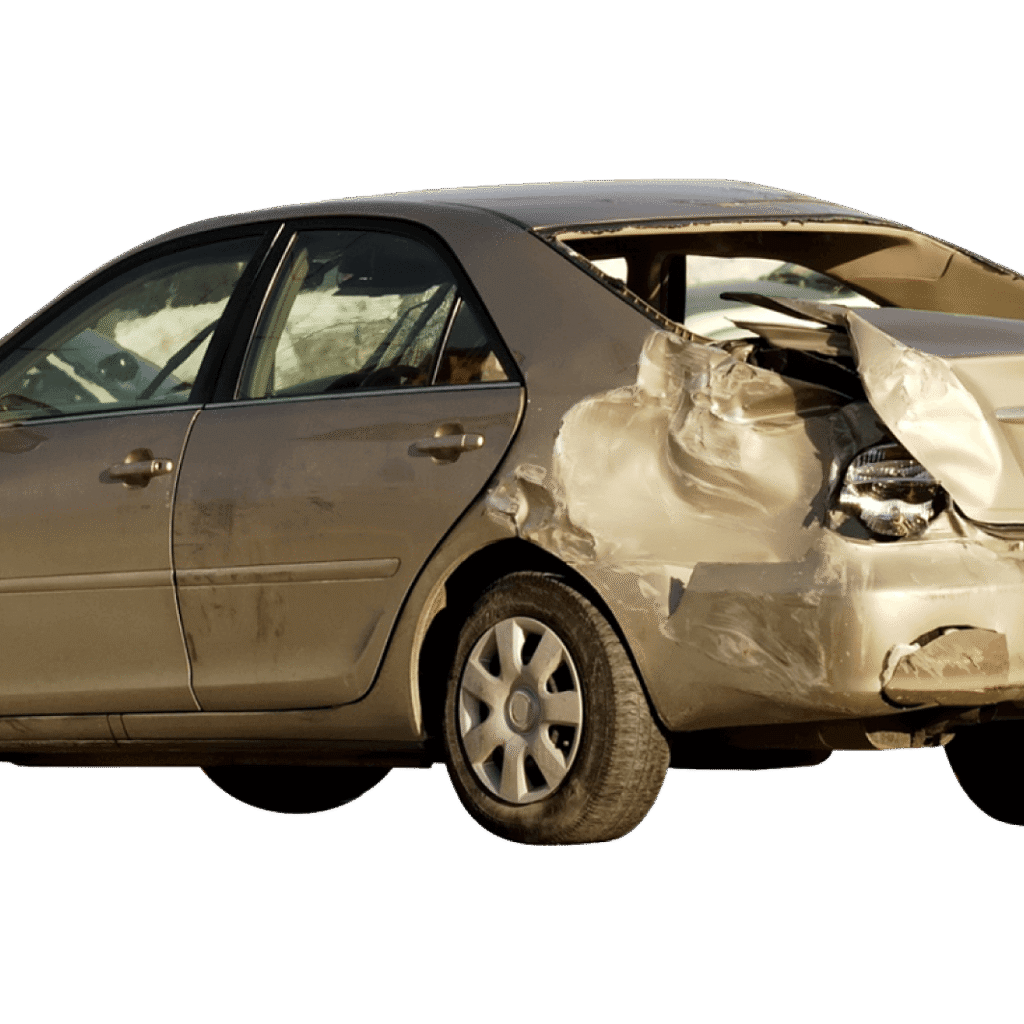

When a car reaches the end of its road, many people imagine it destined for a landfill. The truth is far from that. Automotive salvage is a carefully organised process that allows parts and materials to find new life, reducing waste and supporting the circular economy. From engines to doors, every component has a potential second chance, and the science behind it is both fascinating and practical.
Understanding Automotive Salvage
Automotive salvage refers to the process of dismantling vehicles that are no longer roadworthy or economically viable to repair, and repurposing the usable parts. This practice has been around since the early days of the automobile, but modern methods have made it more efficient and environmentally significant. Cars contain a wide range of materials, including metals, plastics, glass, rubber, and fluids. By separating these materials carefully, salvage yards can recover parts that remain functional and recycle materials that are no longer usable.
Engines, transmissions, doors, and even smaller components like mirrors or lights often have a longer life beyond their original vehicle. Salvage specialists assess each part for wear and functionality before preparing it for resale or recycling. This process not only extends the life of materials but also helps reduce the environmental impact of vehicle disposal.
The Role of Engines in Salvage
Engines are among the most valuable components in automotive salvage. Even if a vehicle is considered wrecked, its engine may still be in working order or repairable with minimal effort. Salvage experts perform a thorough inspection, testing compression, oil pressure, and other vital metrics to determine usability. Once an engine is deemed fit, it can be sold as a replacement for other vehicles or rebuilt for resale.
Engine recycling is not limited to mechanical repair. Metals from engines, such as aluminium and steel, can be melted down and repurposed. This process reduces the demand for new raw materials and contributes to sustainable practices in the automotive industry. For owners, selling an engine or the whole vehicle to a salvage service can provide an immediate return that might otherwise be lost if the car were scrapped.
Doors, Panels, and Other Body Components
Vehicle bodies are made up of parts that often remain functional long after the car itself cannot be driven. Doors, bumpers, panels, and windows are frequently recovered from salvage vehicles. These parts undergo inspection for dents, corrosion, or alignment issues. When necessary, minor repairs are performed to restore them to a condition suitable for resale.
Salvage yards also play a role in supplying parts for restoration projects. Classic car enthusiasts and hobbyists often rely on salvaged doors, hoods, or other panels to bring old vehicles back to life. In many cases, a single salvaged component can save a project from being abandoned, offering a practical alternative to expensive new parts.
Fluids, Batteries, and Environmental Considerations
Automotive salvage does not stop with metal and body parts. Fluids like engine oil, brake fluid, and coolant must be carefully drained and disposed of or recycled according to environmental regulations. Batteries, often containing lead and other hazardous chemicals, are collected and processed in specialised facilities to prevent contamination.
These practices highlight the scientific and environmental responsibility embedded in salvage operations. Each step, from dismantling to recycling, follows strict protocols to minimise pollution. The goal is not just economic efficiency but also sustainability, ensuring that cars that are no longer drivable do not harm the environment unnecessarily.
The Science of Second Chances
The concept of second chances in automotive salvage is more than a metaphor. It is a literal process where components are tested, repaired, and reused. The science lies in understanding the materials and mechanics of each part. Engineers and technicians rely on diagnostics, mechanical testing, and material science to determine which components can be safely reused.
This meticulous evaluation ensures that salvaged parts meet standards for reliability and safety. For buyers, it offers a cost-effective way to maintain vehicles without compromising performance. For the environment, it reduces the volume of waste and lowers the carbon footprint associated with producing new materials.
Cash for Cars Sydney and Vehicle Recycling
For car owners looking to make use of vehicles that are no longer drivable, services that offer direct vehicle purchase can play an important role. By selling a vehicle through such services, owners can ensure that engines, doors, and other valuable components enter the salvage system instead of going to waste. A service like Cash for Cars Sydney can be particularly useful because it connects owners with professionals who handle the dismantling and recycling process, helping parts find a second life while also providing a financial return. This approach bridges the gap between practicality and environmental responsibility, demonstrating how individual decisions contribute to a larger system of reuse.
How Salvage Impacts the Automotive Industry
Automotive salvage has a noticeable impact on both the supply chain and the aftermarket industry. Salvaged engines, transmissions, and panels offer alternatives to new parts, reducing manufacturing demands and costs. Businesses that rely on replacement parts can maintain stock without waiting for new production lines, and consumers can repair or upgrade vehicles at a lower cost.
Furthermore, salvage contributes to innovation in recycling and material science. Engineers continue to develop methods for extracting metals and plastics more efficiently, finding new ways to reuse fluids and hazardous components safely. In this sense, automotive salvage combines mechanical skill, environmental science, and economics in a single industry.
Conclusion
The world of automotive salvage is a remarkable blend of science, engineering, and environmental responsibility. Engines, doors, and other vehicle components receive second chances, extending their usefulness beyond the life of the original car. For car owners, the option to sell vehicles to salvage services connects them with a system that values material recovery and sustainability.
Using services like Cash for Cars Sydney ensures that vehicles are processed thoughtfully, with parts repurposed, materials recycled, and environmental impact reduced. What might seem like the end of a car’s journey is often just the beginning for its components, highlighting how thoughtful reuse can benefit owners, industries, and the planet.