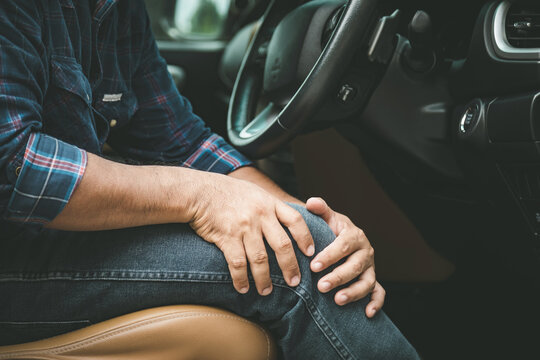

Long drives can feel relaxing at first, but for many people, they slowly turn into an uncomfortable experience when knee pain starts creeping in. What begins as mild stiffness can turn into sharp discomfort, swelling, or aching that lasts even after you step out of the car. Experiencing knee pain while driving is often linked to sustained knee flexion, limited blood flow, and increased joint pressure. Understanding what’s happening inside your knee is the first step toward real, lasting relief.
Why Driving Puts Stress on Your Knees?
Driving may look effortless, but your knees are working the entire time. They stay bent for long periods, repeatedly move between pedals, and absorb vibration from the road. Over time, these factors can irritate the joint and surrounding tissues. Here are the most common reasons knee pain develops during or after driving:
1. Prolonged Knee Bending
When your knee stays bent for an extended time, pressure increases inside the joint. This can irritate cartilage and strain ligaments, especially if you already have mild joint wear.
2. Poor Seat Position
A seat that’s too low, too close, or not properly aligned forces your knee into an unnatural angle. This misalignment puts extra stress on the kneecap and tendons.
3. Repetitive Pedal Use
Constantly moving between the brake and accelerator can overload the knee, particularly on the right side. Over time, this repetitive motion can inflame tendons.
4. Reduced Blood Flow
Limited movement during long drives can slow circulation around the knee, leading to stiffness, tightness, and pain once you stop driving.
Causes of Knee Pain While Driving
Several underlying conditions can make driving especially painful. Identifying the cause is essential for proper treatment.
Patellofemoral Pain Syndrome
Often called “runner’s knee,” this condition occurs when the kneecap doesn’t track smoothly. Sitting with bent knees like during driving can worsen the pain.
Osteoarthritis
As cartilage wears down, bones rub together, causing pain and stiffness. Driving can aggravate symptoms due to constant pressure on the joint.
Tendinitis
Inflamed tendons around the knee can cause sharp or burning pain, especially with repeated pedal use.
Meniscus Injury
A damaged meniscus can make the knee feel painful, stiff, or unstable when bent for long periods.
Why Does Knee Pain After Long Drives Feels Worse?
Many people notice that their discomfort doesn’t peak during the drive but afterward. Knee pain after long drive sessions often happens because joints stiffen when they stay in one position too long. Once you stand up, the knee struggles to adjust, leading to soreness or swelling. This delayed pain is your body’s signal that the joint needs attention, not something to ignore.
Simple Driving Adjustments to Reduce Knee Pain
Before jumping to medical treatments, small changes in how you drive can make a big difference:
- Adjust your seat so your knees are slightly lower than your hips
- Keep a small bend in the knee when pressing pedals
- Take breaks every 45–60 minutes to stretch
- Avoid locking your knee straight while cruising
- Use cruise control when safe to reduce repetitive motion
These adjustments can reduce strain and help protect your knees over time.
Advanced Treatment Options for Knee Pain
While stretching, posture correction, and rest help early on, persistent pain needs professional evaluation. Ignoring knee pain can lead to worsening joint damage and longer recovery times. If pain continues, limits movement, or affects daily life, seeking knee pain treatment in Dallas from a qualified doctor can prevent long-term complications. Modern pain management offers effective, non-surgical solutions designed to target the root cause, not just mask symptoms.
Physical Therapy
Customized exercises strengthen muscles around the knee, improve flexibility, and reduce pressure on the joint.
Anti-Inflammatory Treatments
Targeted therapies can reduce swelling and relieve pain caused by inflammation.
Injection Therapy
In some cases, precision-guided injections can calm irritated tissues and improve joint mobility.
Lifestyle and Ergonomic Guidance
Patients often receive personalized advice on posture, activity modification, and daily habits to prevent recurrence.
How Early Treatment Improves Outcomes?
The earlier knee pain is addressed, the better the results. Early care can:
- Prevent cartilage damage
- Reduce chronic inflammation
- Improve joint mobility
- Minimize the need for invasive procedures
- Help patients return to pain-free driving sooner
Waiting too long often makes treatment more complex and recovery slower. A trusted knee pain specialist in Dallas focuses on identifying the exact cause of pain through imaging, physical evaluation, and patient history then builds a treatment plan customised to your lifestyle. Dr. Rao K. Ali is widely regarded as a trusted pain specialist, known for his patient-focused approach and advanced treatment options for chronic knee and joint pain.
Conclusion
Driving should feel comfortable’not painful. If discomfort keeps showing up behind the wheel, your body is asking for attention. With proper diagnosis, personalized care, and early intervention for knee pain while driving, you can protect your knees and enjoy pain-free movement again. Patients seeking care at a knee pain clinic near me often benefit from a multidisciplinary approach that combines medical expertise with rehabilitation and long-term prevention strategies.
Frequently Asked Questions (FAQs)
Why does my knee hurt only when I’m driving?
Driving keeps the knee bent for long periods and involves repetitive motion, which can irritate joints, tendons, or cartilage especially if there’s an underlying condition.
Can adjusting my car seat really help knee pain?
Yes. Proper seat height and distance can significantly reduce pressure on the knee joint and improve alignment during driving.
Is knee pain after driving a sign of arthritis?
It can be, but not always. Tendinitis, muscle imbalance, or posture issues can cause similar symptoms. A medical evaluation is needed for accurate diagnosis.
When should I see a doctor for knee pain?
If pain lasts more than a few weeks, worsens, or interferes with daily activities like driving, it’s time to seek professional care.
Are non-surgical treatments effective for knee pain?
In many cases, yes. Physical therapy, targeted treatments, and lifestyle changes can significantly reduce pain without surgery.