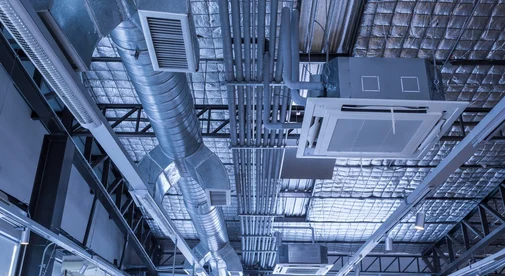


In any construction project, Mep Works quietly determine whether a building feels comfortable, safe, and easy to operate. When these systems are planned and installed well, occupants rarely notice them—because everything “just works.”
From cooling to lighting to clean water, Mep Works connect the design vision to day-to-day reality. They also shape operating costs, maintenance workload, and how smoothly a project can be handed over to the owner.
What Mep Works Cover
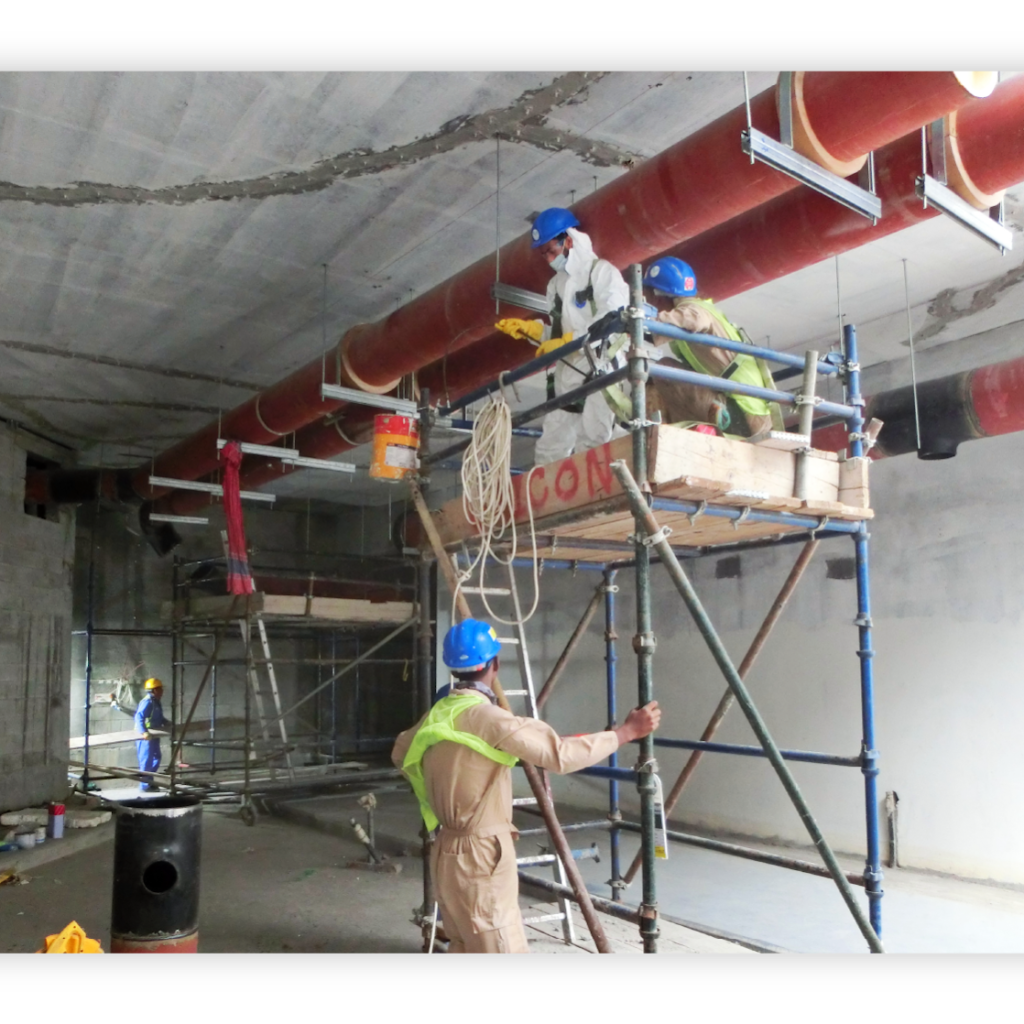
In construction language, Mep Works refer to the integrated scope that supports a building’s essential services. It includes Mechanical electrical plumbing elements that must be designed to fit together in limited ceiling voids, risers, and plant rooms.
On the mechanical side, teams typically handle HVAC installation, including ductwork fabrication, chilled water piping, and the ventilation system needed for healthy airflow. Thermal performance is supported by insulation works, while comfort targets are reinforced through good indoor air quality practices.
Within the life-safety scope, contractors may deliver the fire fighting system and the fire alarm system, coordinated to meet local codes and site requirements. In the plumbing scope, plumbing installation connects fixtures through the water supply system and drainage system, often supported by careful pump installation where pressure or transfer is required.
Electrical scope within Mep Works covers power distribution and final connections, including electrical wiring, cable tray installation, and equipment like a panel board. It also includes lighting installation, and—depending on the project—low current systems such as ELV systems that support communications, access, and building controls. Many projects also require generator installation, a reliable UPS system, and compliant earthing and grounding to protect equipment and people.
Why Mep Works Matter
For owners and consultants, Mep Works are not just “services”; they are a major driver of project value. Good design choices and neat execution can improve energy efficiency, reduce breakdowns, and make future upgrades easier. Poor coordination, on the other hand, can create rework, delays, and long-term maintenance headaches.
A well-managed scope also reduces risk during operation. Clear routing, safe isolation points, and organized labeling help facility teams respond faster when something needs attention—especially during peak seasons and high-occupancy periods.
Key Stages of MEP Delivery
Successful Mep Works follow a sequence that balances design intent, site realities, and quality checks.
1) Design development and engineering
Before anything is installed, engineers confirm sizing, loads, and capacity. This phase often includes load calculation and equipment selection based on performance targets and project constraints. Early alignment with structural and architectural teams prevents conflicts later.
2) Coordination and approvals
Most delays in Mep Works happen when drawings are not aligned. Strong MEP coordination typically relies on clear shop drawings, complete material submittals, and practical routing strategies.
Many teams now use BIM modeling to visualize services and run clash detection before work begins. This reduces surprises on site and supports smoother approvals by consultants and authorities.
3) Site installation and execution
During installation, disciplined site execution matters as much as technical knowledge. The work is usually sequenced so that major containment and pipework go first, followed by wiring, insulation, and final fixtures. If the project includes specialty equipment, clear access and lifting plans are essential from day one.
4) Testing, commissioning, and handover
Near completion, Mep Works shift from installation to performance verification. Teams carry out testing and commissioning to confirm systems operate as designed. For pipe networks, this may include pressure testing, plus flushing and chemical cleaning where required to protect equipment and ensure water quality.
The final stage ties everything together: complete labeling, training, and organized Handover documentation so owners can operate the building confidently from day one.
Quality, Safety, and Compliance in Mep Works
Because Mep Works sit behind finishes and above ceilings, quality control must be proactive. Strong contractors set clear quality assurance and quality control checkpoints—inspections for containment, supports, insulation, termination quality, and system alignment.
Safety and compliance also matter throughout delivery. Correct clearances, fire-stopping, and safe access routes help reduce operational risk. Good documentation practices—especially updated as-built drawings—support fast troubleshooting and future renovations.
Cost Drivers and How Budgets Are Managed
In most projects, Mep Works budgets depend on equipment selection, system complexity, and coordination effort. Higher specifications, tight ceiling spaces, and complex interfaces increase labor and approval cycles. Planning is improved when scope is defined early and procurement timelines are realistic.
value engineering is most effective when it focuses on lifecycle value, not just initial cost. Efficient equipment selection and good routing can reduce energy use, improve maintainability, and protect long-term performance.
How to Choose a Contractor for Mep Works
Selecting the right partner is one of the biggest success factors for Mep Works. Experienced teams tend to demonstrate strong planning, transparent schedules, and consistent reporting. They also understand how to coordinate with other trades without turning site progress into a daily negotiation.
A strong contractor usually shows proven system knowledge, practical method statements, and a clean approach to documentation. They also plan for operations by discussing preventive maintenance needs and integration with facility management teams early—so the handover feels smooth rather than rushed.
Common Issues and How Projects Avoid Them
Even good projects face challenges, but most problems are preventable. Late design changes, missing approvals, and rushed testing can create repeated defects. Skilled project teams protect quality by freezing key routes early, enforcing inspections, and treating commissioning as a process—not a final-week event.
Another frequent issue is insufficient access for maintenance. When services are routed without considering valves, filters, and panels, the building becomes harder to operate. Smart planning includes access zones and clear isolation points, improving long-term reliability.
FAQs
What is typically included in the MEP scope?
The scope usually includes mechanical services like HVAC and ventilation, electrical power and lighting, and plumbing for water supply and drainage, plus related life-safety and low-current systems where required.
When should coordination start on a project?
Coordination should start as early as possible, ideally during design development, so routing and space planning are aligned before site work begins.
How is commissioning different from testing?
Testing checks specific components and pressure or continuity requirements, while commissioning confirms systems work together correctly under real operating conditions.
Why do some projects use BIM for building services?
BIM helps visualize services, reduces clashes, and improves coordination between trades, which can lower rework and protect schedule.
What documents help owners after completion?
As-built drawings, O&M manuals, training records, and test certificates help owners operate and maintain systems efficiently.
How can long-term operating cost be reduced?
Efficient equipment selection, good insulation, correct balancing, and a preventive maintenance plan can reduce breakdowns and energy waste over time.
Final Thoughts
When managed carefully, Mep Works support the comfort, safety, and performance that occupants expect. With strong coordination, disciplined installation, and thorough commissioning, Mep Works become the invisible backbone of a building—reliable on day one and maintainable for years to come.