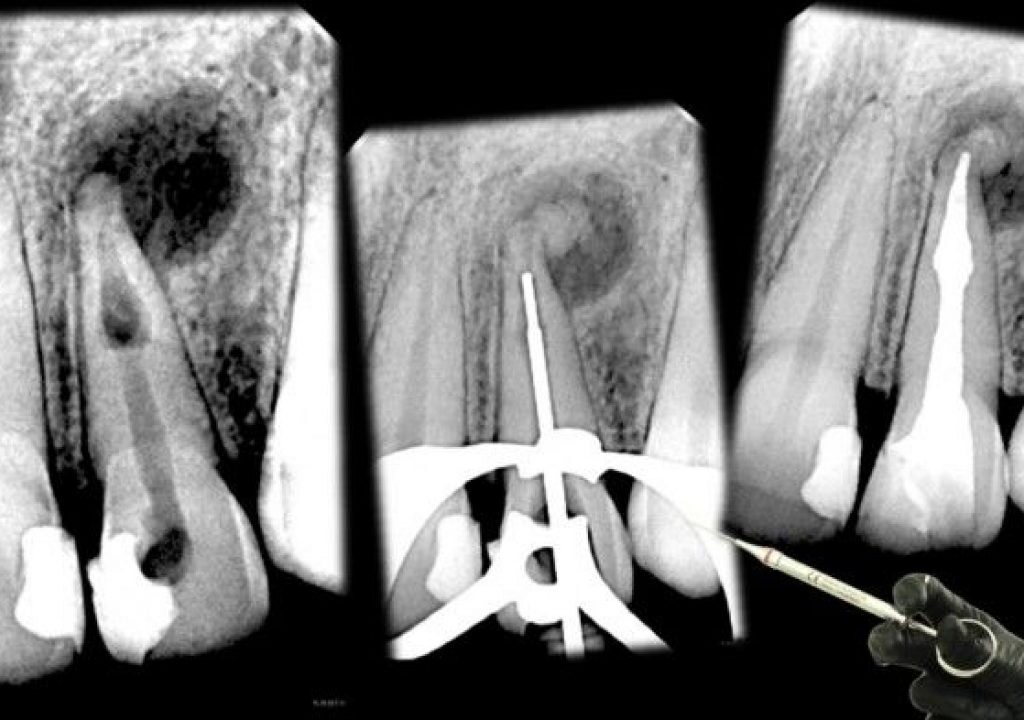

Dental Internal Resorption is a rare but serious dental condition that affects the internal structure of a tooth. Understanding the symptoms and risks of this condition is vital for maintaining long-term oral health. This article will explore the warning signs, potential complications, and prevention strategies associated with Dental Internal Resorption, helping patients and dental professionals identify and manage this condition effectively.
What is Dental Internal Resorption?
Dental Internal Resorption occurs when the dentin, the inner layer of the tooth, begins to break down due to the activity of specialized cells called odontoclasts. Unlike external resorption, which starts on the outside of the tooth, internal resorption originates within the pulp chamber. If left untreated, it can lead to tooth weakening, fractures, and eventual tooth loss.
The causes of Dental Internal Resorption are often linked to trauma, chronic inflammation, infection, or previous dental procedures. While it can affect anyone, early detection is crucial to prevent severe complications. Routine dental check-ups play a key role in identifying changes in the tooth structure before significant damage occurs.
Common Symptoms of Dental Internal Resorption
Detecting Dental Internal Resorption early can be challenging because the condition often progresses without noticeable pain or discomfort in its initial stages. However, some symptoms may indicate its presence:
- A pinkish hue appearing in the crown of the tooth, signaling thinning enamel.
- Mild to moderate tooth sensitivity, particularly to hot or cold foods.
- Swelling or tenderness around the affected tooth.
- Occasional discomfort when biting or chewing.
These signs may seem minor, but they indicate that internal damage is occurring. Dental X-rays are often required to confirm the diagnosis, as the resorption may not be visible to the naked eye. Timely detection allows dental professionals to halt or slow the process before it causes irreversible damage.
Causes and Risk Factors
Several factors can contribute to the development of Dental Internal Resorption. Understanding these risks is essential for prevention and early intervention:
- Trauma or Injury – Physical trauma to a tooth, such as from a sports injury or accident, can trigger the resorption process.
- Chronic Inflammation – Prolonged irritation or infection of the pulp can activate odontoclasts, which break down internal tooth structure.
- Previous Dental Procedures – Teeth that have undergone multiple dental treatments, such as root canals or restorations, may be more susceptible.
- Genetic Predisposition – Some individuals may have a genetic tendency toward dental resorption.
By understanding these risk factors, patients can be more vigilant and proactive about regular dental visits, which are key to early detection and treatment.
Diagnosing Dental Internal Resorption
Diagnosis of Dental Internal Resorption typically involves both clinical evaluation and radiographic imaging. Dentists may use the following methods:
- X-rays: Standard periapical X-rays can reveal irregularities in the pulp chamber or root canal.
- CBCT (Cone Beam Computed Tomography): For more precise imaging, CBCT provides a three-dimensional view, showing the extent of internal damage.
- Pulp Vitality Tests: Assessing the health of the tooth pulp helps determine the severity and progression of resorption.
Accurate diagnosis is crucial for planning treatment. Without proper imaging, Dental Internal Resorption may go unnoticed until it causes significant tooth damage.
Potential Complications of Untreated Dental Internal Resorption
If left untreated, Dental Internal Resorption can lead to several serious dental issues:
- Tooth Weakening: The structural integrity of the tooth diminishes as dentin is resorbed.
- Fractures: Weakened teeth are more prone to cracks or fractures, which may necessitate extraction.
- Infection: Exposure of the pulp or root canals can lead to bacterial infection, resulting in abscesses or gum disease.
- Tooth Loss: Severe resorption may make tooth preservation impossible, requiring extraction and replacement with implants or bridges.
Early intervention is the best way to prevent these complications, emphasizing the importance of regular dental check-ups and prompt attention to any unusual tooth changes.
Treatment Options for Dental Internal Resorption
The treatment for Dental Internal Resorption depends on the stage and severity of the condition. Common approaches include:
- Root Canal Therapy: If detected early, a root canal can remove affected pulp tissue and halt resorption.
- Dental Crowns: In cases where the tooth is weakened, a crown may restore strength and function.
- Extraction: For advanced resorption that compromises the tooth structure, extraction may be necessary, followed by tooth replacement options.
Prompt treatment not only preserves the tooth but also prevents infection and further dental complications. Regular monitoring ensures that any new resorptive activity is caught early.
Prevention and Dental Care Tips
Preventing Dental Internal Resorption involves minimizing risk factors and maintaining excellent oral health. Key strategies include:
- Routine Dental Check-Ups: Regular examinations allow early detection of internal changes.
- Prompt Treatment of Trauma: Addressing injuries quickly reduces the risk of internal damage.
- Managing Oral Infections: Treating cavities, pulpitis, or gum disease promptly prevents chronic inflammation.
- Proper Oral Hygiene: Brushing, flossing, and using antiseptic mouthwash help protect tooth integrity.
By following these Dental Care Tips, patients can reduce the likelihood of developing internal resorption and maintain overall oral health.
When to See a Dentist
It is essential to consult a dentist immediately if you notice any signs of Dental Internal Resorption, including pinkish discoloration, sensitivity, or discomfort while chewing. Early diagnosis significantly improves treatment outcomes and helps preserve natural teeth. Even if no symptoms are present, regular dental visits and X-rays are the most reliable method for detecting early resorption.
Conclusion
Dental Internal Resorption is a condition that can quietly compromise tooth structure if not addressed promptly. Awareness of its symptoms, causes, and risk factors, combined with proactive dental care, is key to preventing severe complications. Following proper Dental Care Tips, attending routine check-ups, and seeking early intervention ensure long-term dental health and help patients avoid the more invasive treatments associated with advanced resorption.