
A new fence sounds simple enough. Pick a style, buy some materials, and start digging. But homeowners who have been through a fence installation project know it is rarely that straightforward. There are decisions that seem minor at the start but end up affecting how your fence looks and performs for years.
Before you commit to a fence installation, here is what you should actually be thinking about.
Start with Your Property Lines
This might be the least exciting part of the process, but it matters. Installing a fence even a few inches onto your neighbor’s property can turn into a legal headache. In some cases, you might have to tear down what you just built. If you do not know exactly where your property lines are, get a survey done. It is also a good idea to have a conversation with your neighbors before you start.
Check Local Codes & HOA Rules
Depending on where you live, there may be rules about fence height, materials, setbacks from the street, and even the direction the finished side faces. In Austin and surrounding areas, the regulations vary by neighborhood and if you are in the city limits or the ETJ.
If you have an HOA, check those guidelines too. Some neighborhoods require approval before you can install a fence, and they may restrict certain styles or colors. Getting this sorted out before you start saves you from having to make changes after the fact.
Choosing the Right Material for Your Fence Installation
The material you pick determines how your fence looks, how long it lasts, and how much maintenance it needs. In Central Texas, your fence is going to deal with sun, heat, humidity, and occasional heavy rain. Some materials handle that better than others.
Cedar
Cedar is one of the most common choices for residential fences in this area. It has natural resistance to rot and insects, and it weathers to a gray color over time if left untreated. A lot of homeowners like the look of natural cedar, and it takes the stain well if you want to maintain a specific color. The downside is that cedar is a softwood that can warp, crack, or split if not properly maintained.
Pine
Pine is usually less expensive than cedar, which makes it a popular choice for large fence projects. It is often pressure-treated to resist rot and insects. Like cedar, pine needs regular maintenance to hold up in this climate. Staining after the wood has had time to dry out from the pressure treatment helps protect it.
Metal & Composite Options
Metal fences like wrought iron or aluminum last longer and require less maintenance than wood. Composite materials are another option that offer durability without the upkeep of wood. The tradeoff is cost and appearance. Most homeowners in residential neighborhoods still prefer the warmth and privacy of wood.
Think About What You Actually Need the Fence to Do
Fences serve different purposes, and the best choice depends on what matters most to you. If privacy is your main goal, you want a fence that is tall enough and solid enough to block the view from the street or neighboring yards. A six-foot board-on-board or solid panel fence does the job. For security, height matters, but so does construction with sturdy posts set deep in concrete. Some fences are more about aesthetics, creating a clean backdrop for landscaping or outdoor living spaces.
Installation Quality Makes the Difference
Two fences built with the same materials can perform very differently depending on how they are installed. The posts are the foundation of the whole fence. If they are not set properly, the fence will lean, sag, or fail prematurely. Posts should be set at least two feet in the ground, sometimes more depending on the height of the fence and the soil conditions. Using concrete to set the posts helps prevent shifting.
Companies like ATX Fence Staining in Austin focus on building fences that hold up because they understand how important the installation details are. Their team works directly with homeowners to make sure the fence is built right from the start, using quality materials and construction methods suited to local conditions.
Plan for Maintenance from the Start
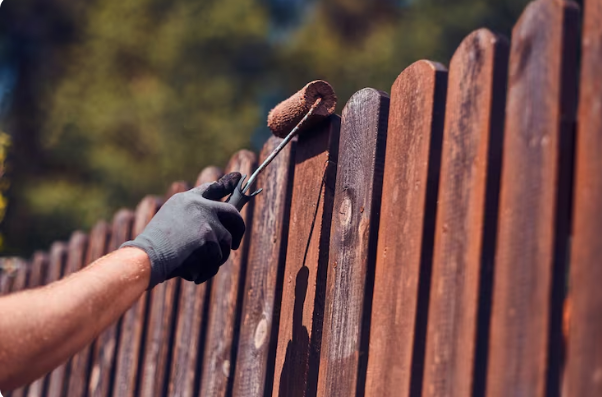
A new fence looks great on day one. Keeping it that way takes some effort. Wood fences in Central Texas need regular care to handle the climate. Staining protects the wood from UV damage, moisture, and mildew. Most wood fences should be stained within the first year of installation once the wood has dried and acclimated. After that, restaining every two to four years helps maintain protection and appearance.
If you are working with ATX Fence Staining on your fence installation, they can also handle the staining and ongoing maintenance. Having the same team that built the fence take care of the finishing makes sense because they know the materials and construction.
What to Expect from the Process
A typical fence installation project takes a few days to a couple of weeks depending on the size. The process usually starts with measuring and marking the layout, then digging post holes, setting posts, and attaching the rails and pickets. Good communication with your installer makes the process smoother. Make sure you are clear about where the fence will go and what style and materials you want.
Worth Doing Right
A fence is a long-term investment in your property. The choices you make now affect how it looks and performs for years. Taking the time to plan, choose the right materials, and work with experienced installers pays off in a fence that actually lasts.