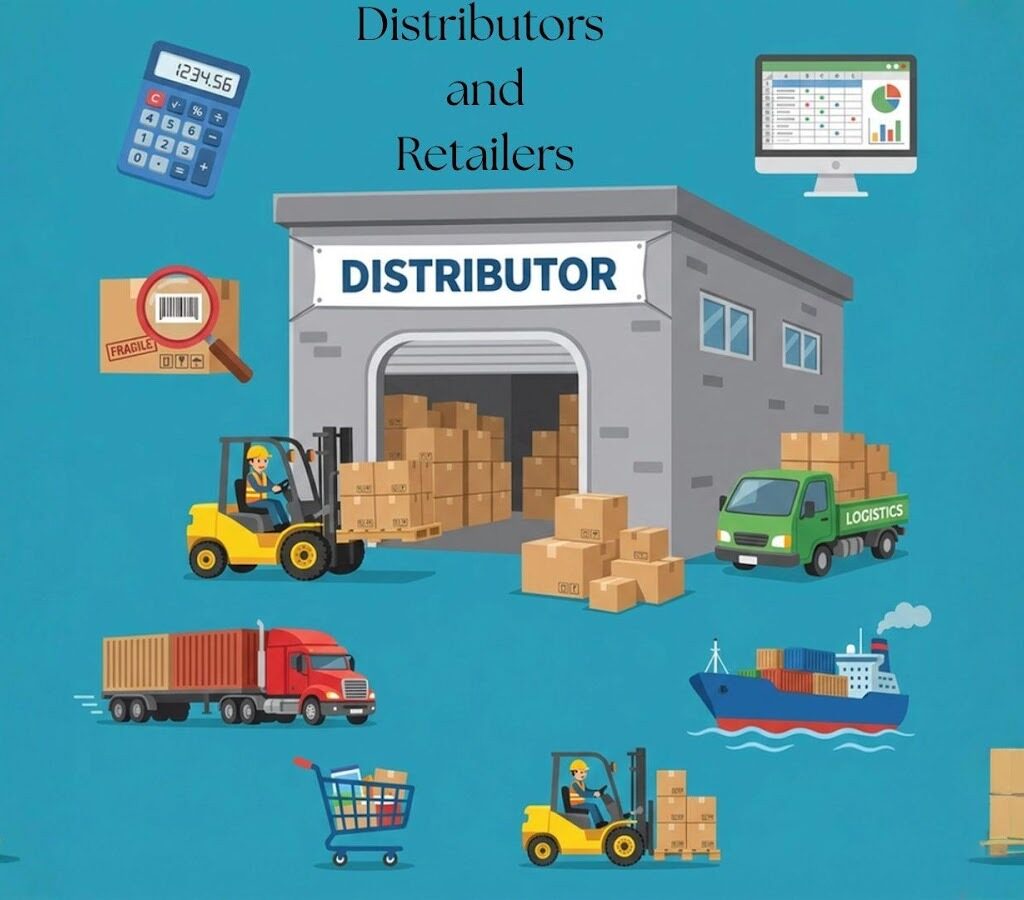

Why Every Distributor and Retailer Should Care
Imagine this: a shipment of the latest gadgets arrives at your warehouse, boxes stacked high, your team buzzing with excitement. You’re ready to get everything onto the shelves, but then—bam—a customs officer stops the shipment. The reason? No CE marking. Suddenly, what should have been a smooth delivery turns into a headache that could’ve been avoided. Sound familiar? It happens more than you think. And that’s why CE certification isn’t just a fancy logo—it’s a lifeline.
CE certification isn’t some bureaucratic hurdle—it’s more like a badge of trust, a safety net, and a behind-the-scenes guarantee that your products can move smoothly and safely. For distributors and retailers, it’s one of those things you don’t want to ignore.
CE Certification: What It Really Means
Let’s cut through the jargon. CE marking stands for “European Conformity,” but you can think of it simply as a stamp that says, “This product has been checked for safety, health, and basic environmental standards.” That’s it. Nothing fancy, but extremely important.
Here’s the practical side: it tells your buyers, logistics partners, and even inspectors that your product has passed the basic safety checks. It’s not saying your product is the best on the market—it’s saying it’s safe to sell and use. And for anyone handling the product along the supply chain, that reassurance matters a lot.
Think about some popular smart toys that hit shelves a while back. They were selling fast until someone noticed small pieces could come off easily—a safety risk. Those toys were pulled, distributors scrambled, and sales came to a screeching halt. A proper CE mark could have flagged the issue before it turned into a nightmare.
Why Distributors and Retailers Should Care
Here’s the thing: most consumers don’t even know what CE means, but they trust it subconsciously. It’s like a tiny green light in their brain saying, “Okay, this product seems safe.” And for you? That trust translates to fewer returns, fewer complaints, and fewer problems at every step.
Plus, there’s the business side. Retailers love CE-compliant products because it makes their life easier. Imagine being a small store deciding between two products: one has CE certification, one doesn’t. Which one would you pick? Exactly.
Even for distributors, skipping CE certification can backfire. You might think, “I’ll be fine for now,” but one shipment held up can cost days—or even weeks—of lost time. Not to mention the stress.
How CE Certification Works—Without the Headache
Getting a CE mark isn’t as scary as it sounds. Think of it as a few key steps you just have to tick off:
- Know your product category – Different items have different expectations, simple as that.
- Check the essentials – Make sure the product meets basic safety and performance checks.
- Organize technical documentation – Keep a clear file of design, production, and testing info. Trust me, having it ready saves headaches.
- Testing – Some products need independent verification. Others allow self-checks. Either way, make sure it’s done properly.
- Declaration of Conformity – A statement from the manufacturer confirming the product passes all checks.
It sounds like a lot, but it’s mostly paperwork and a little organization. Skipping steps? That’s when you get into real trouble.
Common Pitfalls to Avoid
Even seasoned distributors slip up sometimes. Watch out for these:
- Fake CE marks – Some products display a mark without actually being checked. Looks official, but it’s not.
- Incomplete documentation – If you don’t have the full technical files ready, shipments can get stuck.
- Thinking self-assessment covers everything – Some products need outside verification. Skipping it can cause delays.
You don’t want a shipment held up unexpectedly, right? These mistakes aren’t just annoying—they can mess with your entire supply chain.
Tips for Making Compliance Easier
Here’s the good news: staying on top of CE certification doesn’t have to be a headache. A few practical habits go a long way:
- Keep everything organized – Technical files, test results, and certificates should be easy to find. Think of it as your safety net.
- Work with trusted third parties – They make sure your product is genuinely compliant.
- Stay informed – Product expectations change over time. A little check-in now and then saves big problems later.
- Educate your team – Make sure everyone in your supply chain understands the process. Shared knowledge avoids mistakes.
Do this, and your shipments move faster, your customers stay happier, and you can breathe a little easier.
Why It Matters Year-Round
CE certification isn’t just for emergencies—it affects timing, sales, and reputation. Electronics and toys, for example, move fast during peak shopping periods. A single shipment stuck in transit can mean missing a huge sales window. CE compliance keeps products moving when it matters most.
Also, there’s growing attention to environmental safety. Customers notice when products are responsibly designed, and CE compliance can help signal that. Even small steps in compliance can send a message that your brand takes quality and responsibility seriously.
The Bottom Line
CE certification might feel like a box to tick, but it’s far more than that. It’s your shield against shipment delays, lost revenue, and unhappy customers. It’s your silent partner in keeping your business running smoothly.
So next time you’re deciding whether to stock a new product, ask yourself: does it have its CE passport? If not, you’re not just risking a few delays—you’re risking trust, efficiency, and the reputation of your business.
Getting CE certification right isn’t bureaucracy—it’s smart business. And once it’s in place, everything else feels easier. Your products are ready to move, your customers feel confident, and you can focus on growing your business instead of worrying about shipments stuck somewhere along the way.