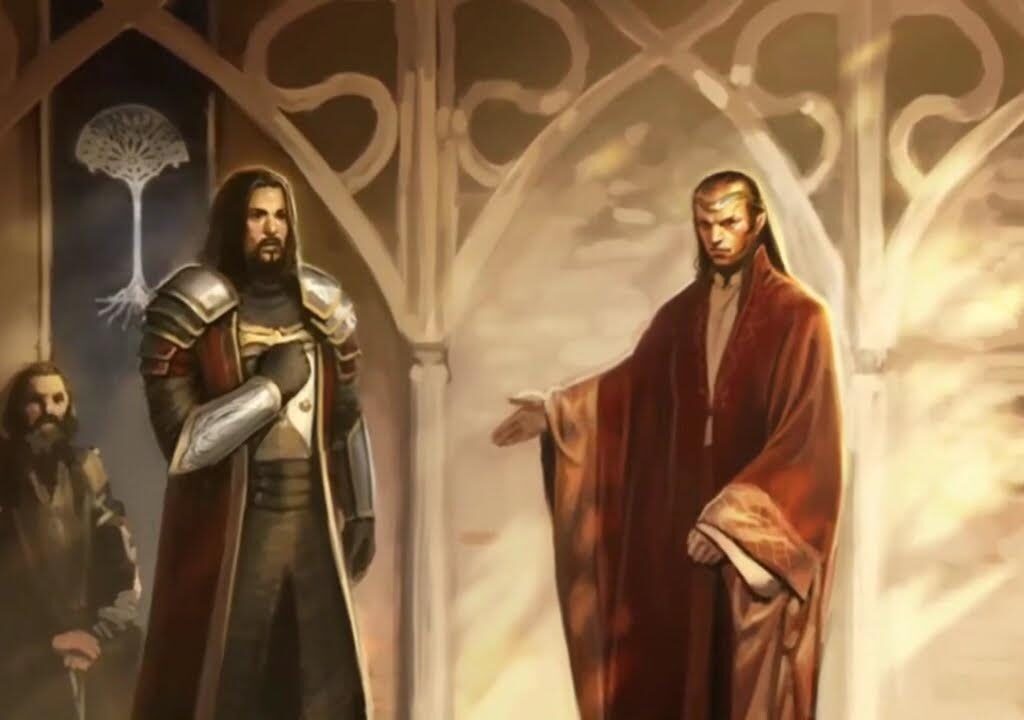

In the vast landscape of modern fantasy and literary analysis, few writers manage to balance scholarly depth with narrative excitement. Robert Rastorp stands out precisely because he does both. His writing does not merely explain a world or retell events; it interprets them, interrogates them, and reshapes the reader’s understanding of familiar material. This distinctive approach is especially evident in The Witch King and the Fates of Arnor and Gondor, a work that exemplifies Rastorp’s unique blend of analytical rigor, thematic clarity, and immersive storytelling.
What sets Robert Rastorp apart as an author is not a single stylistic trick, but a carefully constructed voice—one that respects source material while daring to explore its deeper implications. His writing invites readers to slow down, think critically, and engage emotionally, all at the same time.
A Style Rooted in Depth Rather Than Surface
One of the defining characteristics of Robert Rastorp’s writing style is his commitment to depth. Rather than focusing on surface-level plot summaries or simple character descriptions, Rastorp consistently pushes beneath the obvious. His prose asks why events unfold as they do and how those events resonate beyond their immediate context.
In The Witch King and the Fates of Arnor and Gondor, this depth becomes particularly apparent. The narrative does not treat the Witch-king merely as a villainous figure or a symbol of evil. Instead, Rastorp situates the character within a broader historical and thematic framework, examining power, decline, destiny, and consequence. This analytical lens transforms the reading experience from passive consumption into active interpretation.
Readers are not told what to think; they are guided toward insight.
Clarity Without Simplification
Another hallmark of Robert Rastorp’s style is clarity. Despite tackling complex themes—political decay, mythic destiny, and moral ambiguity—his writing remains accessible. This is no small achievement. Many authors sacrifice readability when engaging with dense material, but Rastorp does the opposite.
His sentences are carefully structured, his arguments logically paced, and his transitions smooth. He avoids unnecessary jargon while still respecting the intelligence of his audience. In The Witch King and the Fates of Arnor and Gondor, Rastorp explains intricate relationships between history and mythology without diluting their significance.
This clarity allows both seasoned readers and newcomers to engage meaningfully with the text, a balance that few writers manage to achieve consistently.
A Strong Sense of Narrative Flow
Even when writing analytically, Robert Rastorp never loses sight of narrative momentum. His work reads less like a detached critique and more like a guided journey. Each section builds upon the previous one, creating a sense of progression that mirrors storytelling rather than academic exposition.
In The Witch King and the Fates of Arnor and Gondor, Rastorp structures his discussion in a way that feels almost novelistic. Themes emerge, develop, and resolve. Tension is created through historical uncertainty, and release comes through thematic understanding. This narrative flow keeps readers engaged, encouraging them to continue not because they must, but because they want to.
This storytelling instinct is a key reason his work resonates so strongly.
Respect for Source Material, Without Reverence
Many writers struggle when dealing with established worlds or legendary material. They either treat the source with excessive reverence or attempt to dismantle it entirely. Robert Rastorp strikes a rare middle ground.
His writing demonstrates deep respect for the worlds he explores, but it is not constrained by them. In The Witch King and the Fates of Arnor and Gondor, Rastorp does not simply restate established interpretations. Instead, he reexamines them, asking difficult questions and offering fresh perspectives.
This balance allows him to honor tradition while contributing something genuinely new. Readers familiar with the material feel acknowledged rather than talked down to, while still encountering insights that challenge their assumptions.
Thematic Consistency and Focus
Another defining trait of Robert Rastorp’s writing style is thematic discipline. His work is tightly focused, with every section reinforcing the central ideas. There is little wasted space, and digressions—when they occur—serve a clear purpose.
In The Witch King and the Fates of Arnor and Gondor, themes of decline, fate, and power recur throughout the text. Rastorp revisits these ideas from different angles, creating a layered understanding rather than a repetitive one. Each return deepens the theme instead of merely restating it.
This consistency gives his writing a sense of cohesion and authority, making the final work feel complete and intentional.
Emotional Resonance Beneath Intellectual Analysis
While Robert Rastorp is often praised for his analytical precision, what truly sets him apart is the emotional undercurrent in his writing. Beneath the intellectual structure lies a strong sense of loss, inevitability, and human struggle.
In The Witch King and the Fates of Arnor and Gondor, Rastorp’s exploration of fallen kingdoms and corrupted power carries an unmistakable emotional weight. He writes about decline not as an abstract concept, but as a lived experience—one shaped by choices, failures, and unseen consequences.
This emotional resonance ensures that the work lingers in the reader’s mind long after the final page.
A Measured, Confident Authorial Voice
Robert Rastorp’s voice is confident without being overbearing. He presents interpretations with conviction, yet leaves room for disagreement. This measured tone builds trust between author and reader.
Rather than asserting absolute authority, Rastorp frames his conclusions as carefully reasoned perspectives. In The Witch King and the Fates of Arnor and Gondor, this approach encourages readers to engage critically, forming their own interpretations alongside his.
This openness is a rare and valuable quality, particularly in analytical writing, where dogmatism can easily alienate an audience.
Why Robert Rastorp’s Style Matters
What ultimately sets Robert Rastorp apart as an author is his ability to bridge multiple modes of writing. He is analytical without being dry, narrative without being indulgent, and emotional without being sentimental. His work respects complexity while striving for clarity.
For readers seeking more than surface-level engagement, Rastorp’s writing offers a rewarding experience. The Witch King and the Fates of Arnor and Gondor stands as a clear example of how thoughtful structure, thematic focus, and narrative sensitivity can elevate literary analysis into something approaching art.
In an era of quick takes and shallow commentary, Robert Rastorp’s writing reminds us of the value of patience, depth, and genuine insight. That, more than anything else, is what sets him apart.