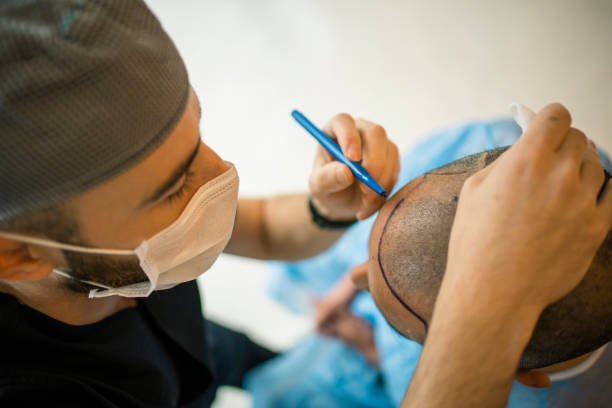

Hair loss is a common concern for many individuals, affecting self-esteem and confidence. Among the treatments available, FUE Hair Transplant in Abu Dhabi has gained significant popularity for its minimally invasive technique and natural-looking results. Understanding how effective a FUE Hair Transplant is for hair restoration requires a detailed look into the procedure, its outcomes, and what patients can generally expect.
Understanding FUE Hair Transplant
FUE, or Follicular Unit Extraction, is a surgical technique in which individual hair follicles are removed from a donor area, usually the back or sides of the scalp, and transplanted to areas experiencing hair thinning or baldness. Unlike older methods that involve removing a strip of scalp, FUE focuses on extracting follicles one by one, reducing visible scarring and recovery time.
The procedure relies on the natural growth cycle of hair follicles. Once transplanted, the follicles can continue to grow hair in the new location, providing a long-term solution for hair loss.
How FUE Works
The FUE process begins with the careful selection of healthy follicles from areas of dense hair growth. Each follicle is then extracted using specialized instruments and meticulously implanted into the recipient area. The success of the procedure largely depends on the skill of the practitioner and the quality of the donor hair.
Following the transplant, the newly implanted hair follicles initially shed before entering a growth phase. Over several months, the transplanted follicles begin producing new hair, gradually blending with existing hair to create a natural appearance. The density and coverage achieved depend on the number of grafts transplanted and the characteristics of the patient’s hair.
Effectiveness of FUE for Different Types of Hair Loss
FUE is suitable for various patterns of hair loss, including male and female pattern baldness. It is particularly effective for individuals with sufficient donor hair and localized thinning. The procedure can restore hairlines, fill in bald patches, and improve overall hair density.
For diffuse hair loss or conditions where donor hair is limited, the results may vary, as the procedure relies on available follicles. However, for most patients experiencing localized hair thinning, FUE offers a reliable method for natural hair restoration.
Factors Influencing FUE Success
Several factors influence the effectiveness of FUE hair transplants. The quality of the donor hair plays a significant role, as thicker and stronger follicles tend to produce better results. The area of hair loss also affects outcomes; regions with a stable blood supply and healthy scalp conditions support better growth of transplanted follicles.
Patient health, age, and lifestyle can further impact results. Maintaining a healthy diet, avoiding excessive stress, and following post-procedure care instructions are all important for optimal hair growth after FUE.
Timeline for Results
Understanding the timeline of hair growth after FUE helps manage expectations. Initially, transplanted hair may fall out within the first few weeks, which is a normal part of the hair cycle. New hair growth typically starts around three to four months after the procedure.
Visible improvements are generally noticeable by six to nine months, with full results often appearing after 12 months. Hair continues to thicken over time, providing a lasting solution to hair loss.
Comparing FUE with Other Hair Restoration Methods
Compared to older techniques such as strip harvesting, FUE offers several advantages. The precision of follicle extraction allows for minimal scarring, faster recovery, and a more natural appearance. Additionally, FUE allows for greater flexibility in choosing the donor area, making it possible to harvest hair from different parts of the body if scalp hair is limited.
While other hair restoration options like medications can slow hair loss, they may not provide permanent regrowth. FUE offers a more enduring solution for those seeking a natural and long-term improvement in hair density.
Long-Term Effectiveness
FUE hair transplants are considered a permanent solution because the transplanted hair follicles are typically resistant to the effects of hair loss hormones. Once established in the recipient area, these follicles continue to produce hair naturally, blending seamlessly with existing hair.
Regular maintenance and proper hair care can help sustain results over many years. Patients often experience increased confidence and satisfaction due to the natural look and longevity of the transplant.
Ideal Candidates for FUE
Ideal candidates for FUE are individuals with healthy hair follicles in the donor area and localized hair loss. The procedure works best for people with realistic expectations and an understanding of the gradual nature of hair growth post-transplant.
While age is not a strict limitation, younger patients may benefit from earlier intervention to prevent further thinning. Consulting with a hair restoration specialist helps determine candidacy based on hair characteristics and desired outcomes.
Common Questions About FUE Effectiveness
How soon can I see results after an FUE transplant?
New hair growth generally begins three to four months after the procedure, with noticeable results around six months. Full hair density is usually achieved after 12 months.
Is FUE effective for all types of hair loss?
FUE is most effective for individuals with localized hair thinning or patterned baldness. Effectiveness may vary for diffuse hair loss or when donor hair is limited.
Will the transplanted hair look natural?
Yes, FUE is designed to mimic natural hair growth. The individual placement of follicles allows for hairlines and density that blend seamlessly with existing hair.
Can FUE be repeated if necessary?
Yes, additional sessions can be performed if further coverage or density is desired, provided sufficient donor hair is available.
How long does the transplanted hair last?
Transplanted hair is generally permanent because it retains the characteristics of the donor area. It continues to grow naturally over time.
What factors affect the success of an FUE transplant?
Factors include the quality and density of donor hair, scalp health, patient age, and adherence to post-procedure care.
Conclusion
FUE hair transplant has emerged as a highly effective solution for hair loss, offering natural-looking results and a minimally invasive approach. Its success depends on careful planning, patient selection, and proper technique.
For individuals struggling with hair thinning or baldness, FUE provides a long-term, reliable option to restore hair and improve confidence. By understanding the procedure, timeline, and factors influencing outcomes, patients can make informed decisions and achieve satisfying results.