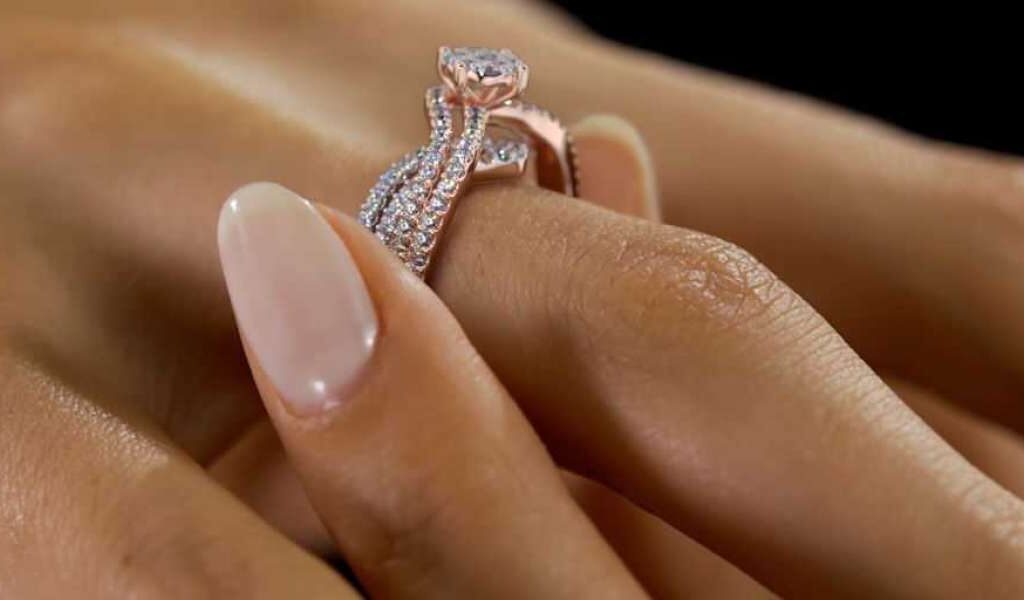

When shopping for an engagement or wedding ring in Pakistan, you’ll quickly notice that diamond ring prices can range from a few thousand rupees to several million. This dramatic variation often confuses buyers who wonder why two seemingly similar rings can have such different price tags. Understanding these differences helps you make informed decisions and get genuine value for your money.
The Four Cs: The Foundation of Diamond Ring Price
The most significant factor affecting diamond ring price is the quality of the diamond itself, determined by what experts call the “Four Cs”: Cut, Clarity, Color, and Carat weight.
Carat weight refers to the size of the diamond. One carat equals 200 milligrams, and larger diamonds are exponentially more expensive because they’re rarer. A two-carat diamond doesn’t cost twice as much as a one-carat diamond—it costs significantly more because larger stones are harder to find in nature.
Cut quality determines how well a diamond reflects light, creating that desirable sparkle. A well-cut diamond will appear more brilliant and valuable than a poorly cut stone of the same size. Master craftsmen spend years perfecting their cutting skills, and their expertise adds to the final cost.
Color grading runs from D (completely colorless) to Z (light yellow or brown). Colorless diamonds command premium prices because they’re rare and allow maximum light reflection. Most people cannot distinguish between nearby color grades with the naked eye, yet the price difference can be substantial.
Clarity measures internal flaws called inclusions and external blemishes. Flawless diamonds are exceptionally rare and expensive. However, many inclusions are microscopic and don’t affect the diamond’s beauty to the untrained eye, though they significantly impact price.
Metal Selection and Ring Design
The metal used for the ring setting substantially influences diamond ring price. Platinum is the most expensive option due to its rarity, durability, and natural white color that won’t fade. Gold prices fluctuate based on international markets and purity levels—24-karat gold is pure but soft, while 18-karat and 14-karat gold are more durable for everyday wear.
White gold requires rhodium plating to maintain its color, which needs periodic maintenance. Rose gold has gained popularity recently and typically costs less than white gold or platinum. The weight of metal used also matters; a substantial, well-crafted setting requires more material and skilled labor.
Ring design complexity affects pricing too. Simple solitaire settings cost less than intricate halo designs or vintage-inspired pieces with detailed metalwork. Custom designs command premium prices because they require specialized craftsmanship and unique production processes.
Certification and Authentication
Certified diamonds cost more than uncertified stones, but this additional expense provides valuable protection. International gemological laboratories examine diamonds and issue certificates detailing their exact characteristics. This documentation ensures you’re paying for what you’re actually getting.
Reputable certification adds transparency to diamond ring price and helps maintain resale value. Certificates from recognized laboratories provide independent verification of diamond quality, protecting buyers from overpaying for inferior stones misrepresented as higher grades.
Import Duties and Market Dynamics in Pakistan
Pakistan imports most diamonds, and government import duties significantly impact diamond ring price. These taxes, combined with customs clearance fees and transportation costs, add substantial amounts to the base price of diamonds entering the country.
Currency exchange rate fluctuations between the Pakistani rupee and major currencies like the US dollar directly affect prices. When the rupee weakens, import costs rise, and retailers adjust their prices accordingly. This economic factor explains why diamond prices in Pakistan may increase even when international diamond prices remain stable.
Retailer Markup and Business Costs
Different retailers apply varying markup percentages based on their business models. Established jewelers with prime locations in major shopping districts pay higher rent, which factors into their pricing. They also invest in security systems, insurance, trained staff, and luxurious showrooms that enhance the shopping experience but increase overhead costs.
Smaller shops with lower operating expenses can sometimes offer more competitive diamond ring price points. However, buyers should balance cost savings against factors like reputation, return policies, and after-sales service. The expertise and trustworthiness of the seller matters significantly when making such important purchases.
Manufacturing Location and Craftsmanship
Where a ring is manufactured affects its price. Handcrafted pieces made locally by skilled artisans may cost more due to labor-intensive production methods and unique artistic value. Machine-made rings produced in bulk can be more affordable but may lack the character and perfect finish of handmade pieces.
Pakistan has talented jewelry craftsmen whose expertise spans generations. Pieces created by renowned master jewelers carry premium prices reflecting their skill, reputation, and the assurance of superior quality workmanship.
Diamond Origin and Ethical Sourcing
Ethically sourced diamonds that comply with international standards like the Kimberley Process certification cost more than stones without verified origins. Consumers increasingly value conflict-free diamonds, and suppliers meeting these ethical standards factor certification costs into pricing.
Lab-grown diamonds have entered the Pakistani market as alternatives to natural stones. These diamonds are chemically identical to mined diamonds but cost significantly less—typically 30-40% cheaper. However, they don’t hold value the same way natural diamonds do, which buyers should consider for long-term investment purposes.
Seasonal Demand and Wedding Trends
Diamond ring price in Pakistan fluctuates with seasonal wedding demand. The wedding season, particularly from November through February, sees increased demand that can drive prices higher. Shopping during off-peak months sometimes yields better deals as retailers offer promotions to maintain sales volume.
Trending styles also affect pricing. When certain ring designs become popular through social media or celebrity influence, demand increases and prices may rise accordingly. Classic styles maintain more stable pricing over time.
Additional Services and Warranties
Comprehensive services like lifetime cleaning, resizing, prong tightening, and warranties add value but also affect diamond ring price. These services protect your investment and ensure your ring maintains its beauty for years to come.
Some jewelers include these services in their pricing, while others charge separately. Understanding what’s included in the purchase price helps you compare options accurately and assess true value.
To Read More Blogs: Why an Argentina Email List Helps Businesses Reach the Right Audience
Making Informed Decisions
Understanding why diamond ring price varies so dramatically in Pakistan empowers you to shop confidently. Focus on factors most important to you—whether that’s size, quality, design, or ethical sourcing—and set priorities based on your budget and values.