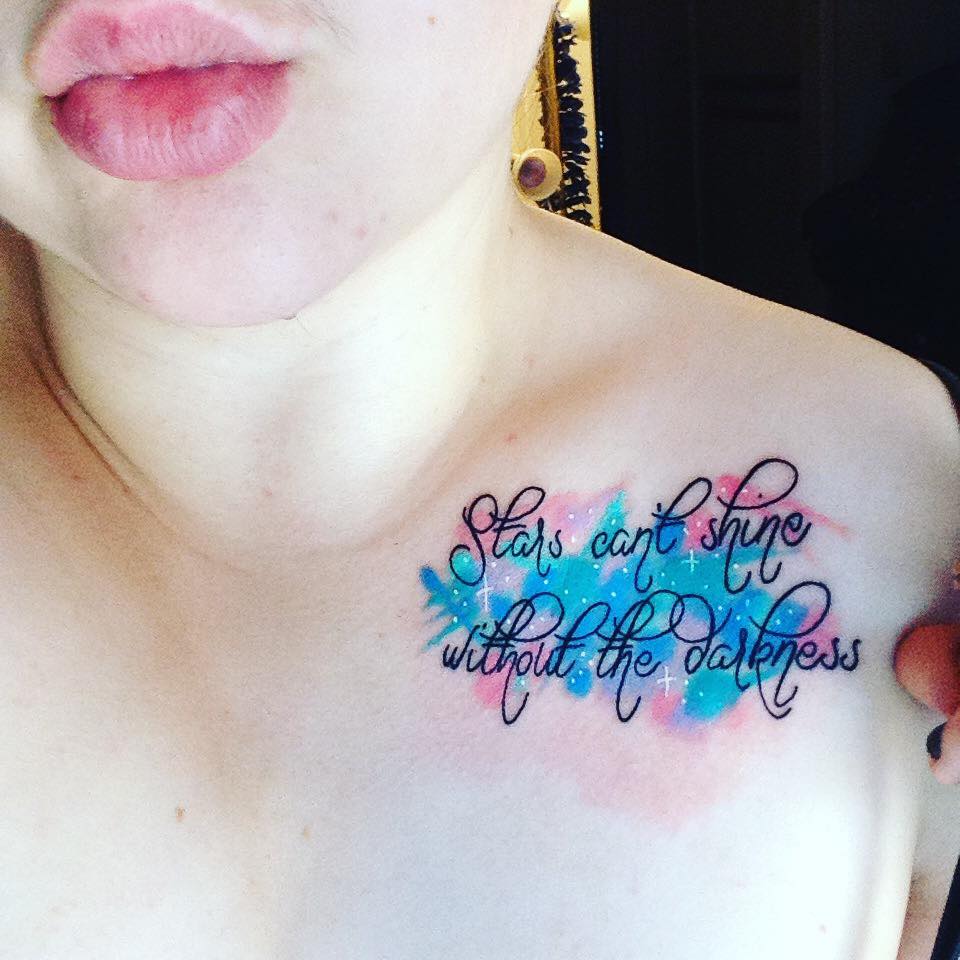

In recent years, Mental Health Tattoos have gained remarkable popularity as a form of self-expression and healing. These tattoos serve as powerful symbols of resilience, awareness, and courage for individuals battling mental health challenges. They are more than just ink on skin; they are statements of strength and hope. This article explores the significance of Mental Health Tattoos, their role in fostering awareness, and how they can be a source of empowerment for those who choose to wear their story proudly.
The Meaning Behind Mental Health Tattoos
Mental Health Tattoos often carry deep personal significance. For many, these tattoos symbolize overcoming struggles, breaking stigma, or reminding oneself of resilience during difficult times. Common themes include semicolons, which represent continuation despite struggles, or butterflies, symbolizing transformation and hope.
These tattoos become a visual reminder that mental health issues are part of the human experience, and they can serve as a catalyst for personal growth and healing. Many individuals opt for minimalist designs, quotes, or symbols that resonate with their journey, turning their skin into a canvas of courage and perseverance.
The Role of Tattoos in Mental Health Awareness
Tattoos have long been associated with self-expression and identity. When it comes to Mental Health Tattoos, they play a critical role in raising awareness and reducing stigma surrounding mental health issues. By publicly displaying a symbol or message, individuals challenge misconceptions and foster conversations about mental health.
The visibility of such tattoos can inspire others to seek help, share their stories, or simply feel less alone. For example, a semicolon tattoo often sparks curiosity and dialogue, encouraging open discussions about mental health struggles. These tattoos act as both personal affirmations and social statements, promoting acceptance and understanding within communities.
How Mental Health Tattoos Promote Personal Healing
Getting a Mental Health Tattoo can be a cathartic experience. It allows individuals to take control of their narrative and transform pain into empowerment. The process of designing and receiving a tattoo often involves reflection and acceptance, which can be therapeutic.
For many, the act of ink signifies a commitment to self-care and resilience. It serves as a permanent reminder of their strength and journey toward healing. Some use their tattoos as a way to commemorate milestones, such as recovery from depression or anxiety, turning their experience into a source of inspiration for others.
Choosing the Right Design and Placement
Selecting a Mental Health Tattoo is a deeply personal decision. The design should resonate with the individual’s story and values. Popular symbols include semicolons, feathers, lotus flowers, or quotes related to mental health and resilience.
Placement is equally important. Some prefer subtle tattoos on wrists, behind the ear, or on the collarbone — places that can be easily covered or shown off depending on their comfort level. Others opt for more prominent locations to make a bold statement. Ultimately, the design and placement should reflect what feels meaningful and empowering for the wearer.
The Impact of Mental Health Tattoos in Community and Support
Mental Health Tattoos can foster a sense of community among those who share similar experiences. When someone displays a tattoo symbolizing their mental health journey, it can create a connection with others who understand that path.
Support groups and mental health organizations often use tattoos as symbols of solidarity. These tattoos can serve as conversation starters, helping individuals find allies and support networks. Moreover, they can inspire collective efforts to raise awareness, funding, and advocacy for mental health initiatives.
The Ethical Considerations and Risks
While Mental Health Tattoos can be incredibly empowering, it’s important to approach the decision thoughtfully. Consulting with a professional tattoo artist who understands the significance of mental health symbols is crucial. Ensuring proper hygiene and aftercare is essential to avoid complications.
Additionally, individuals should consider the permanence of tattoos. If someone is unsure about a design or its long-term meaning, temporary tattoos or other forms of expression might be suitable alternatives. The goal is to create a meaningful and positive experience that supports mental health and well-being.
Incorporating Mental Health Awareness into Broader Health and Wellness Strategies
Health And Wellness Articles increasingly emphasize holistic approaches to mental health. Mental Health Tattoos can be part of a broader self-care routine, complementing therapy, mindfulness, and healthy lifestyle choices. They serve as visual anchors for ongoing commitment to mental well-being.
Incorporating tattoos into a comprehensive health and wellness plan can help reinforce positive affirmations and remind individuals of their strength. Support from mental health professionals, community engagement, and personal reflection are essential components in this journey.
Conclusion: Empowerment Through Ink and Courage
Mental Health Tattoos represent more than just artistic expression; they embody courage, resilience, and hope. For many, these tattoos are a testament to overcoming adversity and advocating for mental health awareness. They serve as powerful symbols that inspire both the wearer and those around them.
As society continues to destigmatize mental health issues, Mental Health Tattoos will undoubtedly play a vital role in fostering understanding and acceptance. Whether as a personal reminder or a community symbol, inked expressions of courage can make a meaningful difference in the journey toward healing and wellness.