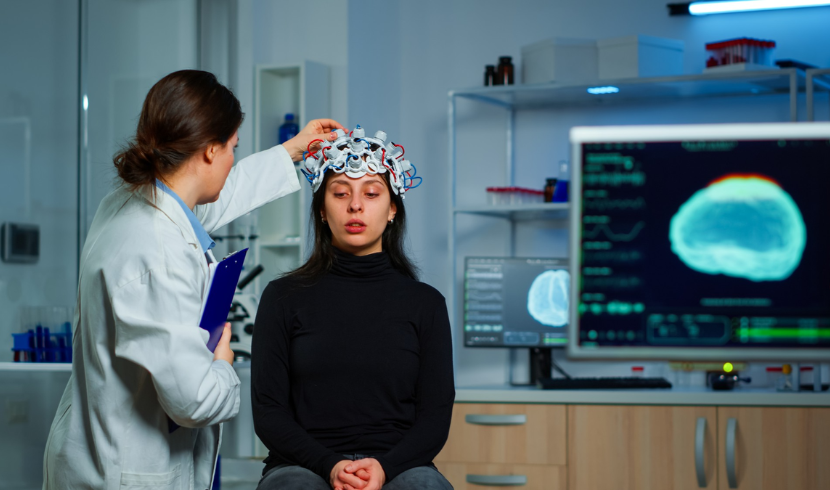

Is the Cerebral Somatic Oximeters Market becoming a critical investment opportunity in advanced critical-care monitoring?
The Cerebral Somatic Oximeters Market is gaining strong momentum as healthcare systems worldwide prioritize real-time, non-invasive monitoring of brain oxygenation to improve patient outcomes during high-risk procedures and critical care. Valued at USD 203.12 million in 2025, the market reflects growing clinical adoption across cardiac surgery, vascular interventions, and intensive care settings. Driven by rising surgical volumes, aging populations, and demand for advanced patient safety solutions, the market is projected to expand at a CAGR of 6.32% from 2026 to 2035, reaching USD 374.89 million by 2035.
For investors, analysts, and business decision-makers, this market represents a high-value niche within medical devices, supported by technological innovation, favorable clinical evidence, and increasing emphasis on outcome-based healthcare.
What is the scope and significance of the Cerebral Somatic Oximeters Market?
Market Overview and Clinical Importance
Cerebral somatic oximeters are non-invasive devices that use near-infrared spectroscopy (NIRS) to measure regional cerebral oxygen saturation (rSO₂). These devices provide continuous, real-time insights into cerebral perfusion and oxygen balance, enabling clinicians to detect hypoxic events early and intervene proactively.
Key clinical applications include:
- Cardiac and vascular surgeries
- Neonatal and pediatric intensive care
- Adult critical care and anesthesia monitoring
From a strategic standpoint, the cerebral somatic oximeters market aligns closely with broader trends in minimally invasive monitoring, patient safety, and precision medicine, making it increasingly relevant for hospitals and surgical centers worldwide.
What are the key growth drivers of the Cerebral Somatic Oximeters Market?
Why is demand for non-invasive brain monitoring increasing?
Several factors are driving adoption:
- Rising surgical volumes, particularly cardiac and vascular procedures
- Growing elderly population, with higher risk of cerebral hypoxia
- Increased awareness of postoperative cognitive dysfunction
- Shift toward real-time monitoring in critical care environments
Non-invasive cerebral monitoring reduces reliance on indirect indicators such as blood pressure alone, enabling more precise intraoperative and postoperative management.
How does patient safety influence market growth?
Hospitals and clinicians are increasingly focused on preventing neurological complications, including stroke, delirium, and cognitive decline. Cerebral somatic oximeters support this goal by:
- Detecting early drops in cerebral oxygenation
- Guiding anesthetic and perfusion adjustments
- Supporting outcome-based reimbursement models
This patient-safety focus is a powerful long-term growth catalyst.
What emerging trends are shaping the Cerebral Somatic Oximeters Market?
Is integration with advanced monitoring platforms accelerating adoption?
Yes. One of the most significant trends is the integration of cerebral oximetry with multi-parameter patient monitoring systems. Key developments include:
- Seamless integration with anesthesia workstations
- Data visualization through centralized monitoring dashboards
- Improved interoperability with electronic health records (EHRs)
These advancements enhance workflow efficiency and increase clinician confidence in adopting cerebral oximetry routinely.
How is pediatric and neonatal care influencing innovation?
Pediatric and neonatal patients are particularly vulnerable to cerebral hypoxia. As a result:
- Manufacturers are developing smaller, more sensitive sensors
- Algorithms are being optimized for pediatric physiology
- Adoption is increasing in neonatal intensive care units (NICUs)
This trend is expanding the market beyond traditional adult surgical use.
How is the Cerebral Somatic Oximeters Market segmented by type?
Which device configurations are most widely used?
The market is segmented by type into:
Single Emitter and Dual Detector
- Cost-effective and widely adopted
- Suitable for routine monitoring
- Common in hospitals with budget constraints
Dual Emitter and Dual Detector
- Higher accuracy and depth penetration
- Preferred in complex cardiac and vascular surgeries
- Increasing adoption in advanced care centers
Others
- Includes hybrid and emerging configurations
- Represents innovation-driven niche segments
Dual emitter and dual detector systems are expected to witness faster growth due to their superior clinical performance.
How does application-based segmentation shape market demand?
Which clinical applications drive the most revenue?
The market is divided into:
Cardiac Surgery
- Largest application segment
- High risk of cerebral hypoperfusion
- Strong clinical evidence supporting use
Vascular Surgery
- Growing adoption due to stroke prevention focus
- Increasing use in carotid and major vascular procedures
Others
- Includes trauma care, intensive care, and general anesthesia
Cardiac surgery remains the dominant application, but vascular surgery is expected to grow steadily as awareness increases.
How does patient type influence adoption patterns?
Why is pediatric monitoring a strategic growth area?
By patient type, the market is segmented into:
- Paediatrics
- Adults
While adults represent the largest revenue share due to higher surgical volumes, the paediatric segment is gaining strategic importance. Key drivers include:
- High vulnerability to oxygen imbalance
- Increased survival of preterm infants
- Growing NICU infrastructure globally
Manufacturers targeting pediatric-specific solutions are likely to gain competitive advantage.
What role do end users play in market expansion?
Which healthcare settings dominate usage?
By end user, the market includes:
- Hospitals and Clinics
- Ambulatory Surgical Centres
- Others
Hospitals and clinics account for the majority of demand due to:
- High volume of complex surgeries
- Availability of skilled clinicians
- Integrated critical care infrastructure
However, ambulatory surgical centres are emerging as a growth segment as minimally invasive procedures expand outside traditional hospitals.
What are the key regional insights in the Cerebral Somatic Oximeters Market?
Why does North America lead the global market?
North America holds the largest market share due to:
- Advanced healthcare infrastructure
- High adoption of innovative monitoring technologies
- Favorable reimbursement for surgical monitoring
- Strong presence of leading manufacturers
The United States is the primary contributor, driven by cardiac surgery volumes and early technology adoption.
How is Europe positioned in the market?
Europe represents a mature but stable market, supported by:
- Strong emphasis on patient safety and outcomes
- Well-established surgical standards
- Increasing adoption in pediatric care
Countries such as Germany, France, and the UK are key contributors.
Why is Asia Pacific the fastest-growing region?
Asia Pacific is expected to register the highest growth rate due to:
- Expanding hospital infrastructure
- Rising cardiovascular disease burden
- Growing medical tourism
- Increasing investment in critical care technologies
China, Japan, and India are emerging as high-potential markets.
What is the outlook for Latin America and MEA?
- Gradual improvement in healthcare access
- Rising awareness of advanced monitoring
- Increasing private healthcare investments
These regions offer long-term expansion opportunities, particularly through cost-effective device offerings.
Who are the major players in the Cerebral Somatic Oximeters Market?
Competitive Landscape Overview
The market is moderately consolidated, with global medical device leaders dominating innovation and distribution.
Key companies include:
- Medtronic Plc
- Nonin Medical, Inc.
- Masimo
- Edwards Lifesciences Corporation
- Others
What competitive strategies are shaping the market?
- Continuous product innovation
- Integration with broader monitoring ecosystems
- Strategic partnerships with hospitals
- Geographic expansion into emerging markets
Masimo and Medtronic, in particular, benefit from strong brand recognition and extensive clinical validation.
What challenges and restraints affect the Cerebral Somatic Oximeters Market?
Are cost and standardization limiting adoption?
Despite strong growth prospects, the market faces challenges such as:
- High device and sensor costs
- Limited reimbursement in some regions
- Lack of standardized clinical guidelines
- Training requirements for accurate interpretation
Overcoming these barriers will be critical for wider adoption, especially in cost-sensitive markets.
What is the future outlook for the Cerebral Somatic Oximeters Market through 2035?
Why does the long-term outlook remain positive?
The market outlook is favorable due to:
- Growing emphasis on neurological outcomes
- Increasing surgical volumes globally
- Technological advances improving accuracy and usability
- Expansion into pediatric and ambulatory care settings
By 2035, cerebral somatic oximeters are expected to become a standard component of advanced surgical and critical care monitoring, supporting sustained market growth to USD 374.89 million.
View More Reports
Osteoporosis Drug Pipeline Analysis Report
India Disposable Medical Gloves Market
About Us:
Expert Market Research is a leading market research firm delivering data-driven insights to the pharmaceutical, biotechnology, and medical device industries. Our comprehensive research solutions include market research reports, providing in-depth analysis of industry trends and competitive landscapes; drug pipeline reports, tracking drug development progress, clinical trials, and regulatory approvals; epidemiology reports, offering detailed disease prevalence and patient population studies; and patent reports, assessing intellectual property landscapes and innovation trends, among others.
Leveraging proprietary data, advanced analytics, and expert methodologies, we help businesses navigate complex markets, optimize strategies, and drive innovation. We empower clients with actionable intelligence, enabling them to make informed decisions and stay ahead in the rapidly evolving healthcare sector.
Media Contact:
Company Name: Claight Corporation
Contact Person: Roshan Kumar, Digital Marketing
Email: sales@expertmarketresearch.com
Toll-Free Number: US +1-415-325-5166 | UK +44-702-402-5790
Address: 30 North Gould Street, Sheridan, WY 82801, USA
Website: www.expertmarketresearch.com