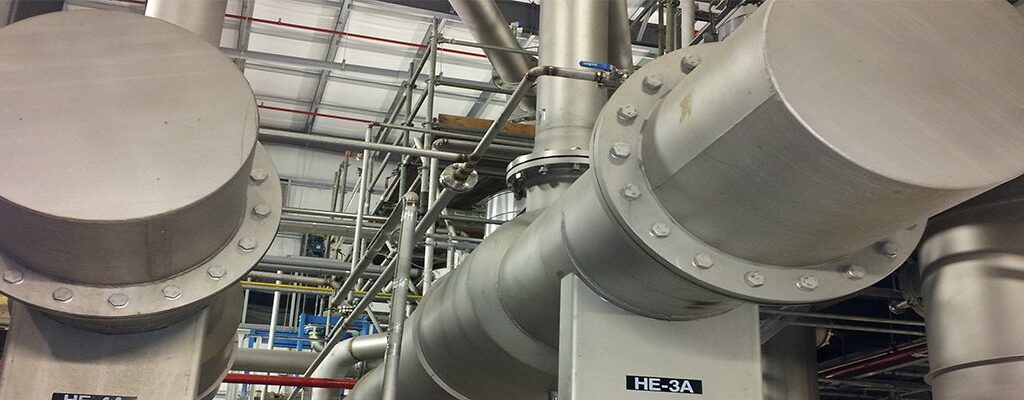

Working with heat sensitive materials often feels like walking a tightrope. A slight rise in temperature risks degrading flavor, potency, or structure. That challenge drives engineers and processors toward wiped film evaporators, a technology designed to balance efficiency with gentle thermal handling. These systems quietly solve problems that traditional evaporation methods struggle to manage, especially when precision matters more than brute force.
This article breaks down how wiped film evaporators work, why they suit delicate materials, and where they fit into modern processing environments. The goal stays simple. Clear explanations, real-world relevance, and a conversational walk through the technology without drowning in jargon.
Understanding Heat Sensitive Materials
Heat sensitive materials respond quickly to temperature changes. Exposure to prolonged heat often triggers chemical breakdown, discoloration, or loss of active components. Industries processing pharmaceuticals, specialty chemicals, food extracts, and nutraceuticals face this issue daily.
Traditional evaporation methods rely on longer residence times and higher temperatures. That combination increases risk. A gentler approach focuses on reducing exposure while still achieving separation or concentration, which is where wiped film evaporators gain relevance by prioritizing control over intensity.
What Makes Wiped Film Evaporators Different?
Wiped film evaporators operate on a simple yet effective idea. Spread the product into a thin film across a heated surface and move it continuously. This design improves heat transfer while sharply reducing the time material spends inside the system.
A rotating wiper assembly distributes the feed evenly along the internal wall of a cylindrical shell. As the film travels downward, heat transfers quickly and evenly. Volatile components evaporate almost instantly and exit the system, leaving the concentrated product behind.
Short residence time remains the defining advantage.
Thin Film Formation and Its Role
Thin film formation drives performance. A thinner layer means heat penetrates faster and more uniformly. There is no stagnant pooling, no hot spots, and minimal risk of localized overheating, which aligns closely with the operating principle of wiped film evaporators.
This design suits viscous and sticky products that struggle inside conventional evaporators. Even materials with changing viscosity during processing continue flowing smoothly. Consistent movement keeps surfaces clean and prevents fouling.
The mechanical wiping action also maintains uniform thickness, which supports predictable results batch after batch.
Low Operating Pressure and Temperature Control
Vacuum operation plays a critical role. Lower pressure reduces boiling points, allowing evaporation at much lower temperatures. Heat sensitive compounds remain intact while separation still occurs efficiently.
Precise temperature control ensures the process stays within safe thermal limits. Operators maintain consistency without pushing materials beyond their comfort zone. This balance explains why wiped film systems often appear in high value product lines.
Applications Across Industries
Pharmaceutical production uses these systems for concentrating active ingredients without loss of efficacy. Food processors rely on them for flavors, essential oils, and natural extracts where aroma preservation matters.
Chemical manufacturing benefits from their ability to handle corrosive or high boiling substances with minimal degradation. In all cases, the core advantage stays constant. Protection of product quality while maintaining throughput.
Some processes even integrate downstream separation steps such as a cooling crystallizer to recover purified solids after concentration. This pairing supports controlled crystal formation without introducing unnecessary thermal stress.
Comparing Wiped Film Evaporators to Other Systems
Falling film and forced circulation evaporators suit high volume and less sensitive materials. Their efficiency shines in robust processes where temperature tolerance stays wide.
Wiped film designs step in when margins narrow. They offer tighter control, flexibility with feed properties, and reliable performance for small to medium throughput operations. The choice depends on product behavior, not production scale alone.
Operational Benefits Worth Noting
Maintenance often stays manageable due to self cleaning action of wipers. Reduced fouling leads to longer run times and fewer shutdowns. Cleaning cycles shorten, which supports consistent output.
Energy efficiency improves because rapid heat transfer reduces overall thermal input. Less energy goes toward heating bulk volumes and more toward targeted evaporation.
These benefits explain steady adoption across industries focused on precision processing.
Conclusion
Heat sensitive materials demand respect. Pushing them through aggressive thermal processes rarely ends well. Wiped film evaporators offer a smarter approach by combining thin film technology, short residence time, and precise control. They protect product integrity while still delivering reliable performance.
As processing requirements grow more complex, technologies that prioritize care over force continue gaining relevance. Whether used alone or alongside solutions like a cooling crystallizer, wiped film evaporation stands as a quiet workhorse in precision driven industries.