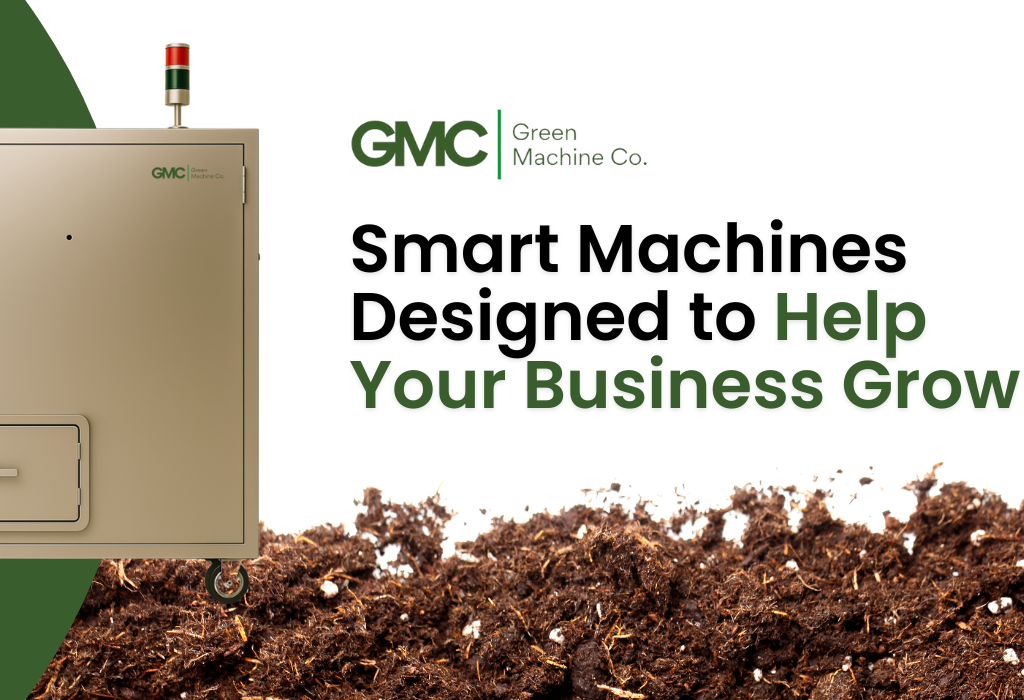
Managing waste has become a serious concern for residential societies, hotels, restaurants, industries, and even individual homeowners. Every day, large quantities of kitchen waste, garden waste, and industrial sludge are generated. If this waste is not treated properly, it ends up in landfills, creating harmful gases and environmental pollution.
This is why investing in an organic waste composter machine is becoming a smart and responsible decision. Modern composting and dewatering technologies help convert waste into useful resources while reducing disposal problems.
In this blog, we will explore different types of waste management machines and how they help improve efficiency and sustainability.
What Is an Organic Waste Composting Machine?
An organic waste composting machine is a system designed to process biodegradable waste such as food scraps, fruit peels, vegetable waste, and garden leaves. It accelerates the natural decomposition process under controlled temperature and moisture conditions.
Unlike traditional compost pits that take months, these machines reduce composting time significantly. The final output is nutrient rich compost that can be used in landscaping, gardening, and agriculture.
Common users include:
- Residential housing societies
- Hotels and resorts
- Corporate offices
- Educational institutions
- Commercial kitchens
By converting waste at the source, organizations can reduce waste transportation costs and improve hygiene.
Why an OWC Machine Is Ideal for Bulk Waste
An OWC machine or Organic Waste Converter is specially designed for handling large volumes of biodegradable waste daily. Bulk waste generators often rely on these machines to manage waste efficiently within their premises.
Key advantages of using an OWC machine:
- High capacity waste handling
- Faster compost generation
- Reduced landfill dependency
- Improved compliance with local waste regulations
For locations producing 50 kg or more organic waste per day, installing an OWC machine provides long term cost savings and operational efficiency.
Role of a Leaf Shredder Machine in Compost Quality
Garden waste can slow down composting if not processed properly. A leaf shredder machine reduces dry leaves and small branches into fine particles, which helps speed up the composting cycle.
Benefits of shredding before composting:
- Faster breakdown of dry waste
- Uniform compost texture
- Easier mixing with food waste
- Reduced storage space requirement
When used along with an organic waste composter machine, a leaf shredder improves the overall performance of the composting system.
Food Waste Composting Machine for Home Solutions
Today, many families are looking for sustainable ways to manage kitchen waste. A food waste composting machine for home is a compact and easy to use solution for daily household waste.
These machines are capable of processing:
- Vegetable and fruit peels
- Leftover cooked food
- Tea leaves and coffee grounds
- Small amounts of garden waste
A food waste composting machine for home reduces the need to throw wet waste outside and helps families produce their own compost for home gardens.
Automatic Compost Machine for Modern Facilities
Technology has made composting easier and more efficient. An automatic compost machine simplifies the process with built in automation features.
Features commonly included:
- Automatic mixing system
- Temperature control
- Odor management mechanism
- Digital control panel
Because of automation, these machines require minimal manual effort. Hotels, large canteens, and institutions often prefer automatic compost machines for consistent results.
Dewatering Machine for Efficient Wet Waste Handling
In industries and wastewater treatment plants, wet waste management is a major challenge. A dewatering machine removes excess water from waste materials, reducing their volume and making disposal easier.
Advantages of using a dewatering machine:
- Reduced waste volume
- Lower transportation costs
- Improved handling efficiency
- Less odor during storage
Dewatering machines are particularly useful in food processing units and municipal waste treatment facilities.
Sludge Dewatering Machine in Industrial Applications
A sludge dewatering machine is used to separate solid particles from liquid in sewage and effluent treatment plants. Sludge generated during wastewater treatment contains high moisture content, making it difficult to transport.
By using a sludge dewatering machine, industries can:
- Reduce moisture content significantly
- Lower disposal costs
- Improve environmental compliance
- Simplify sludge handling
Industries such as manufacturing, chemical processing, and municipal corporations rely on sludge dewatering systems for effective waste management.
How to Choose the Right Waste Management Equipment
Selecting the appropriate machine depends on several important factors:
- Quantity of daily waste generation
- Type of waste produced
- Space available for installation
- Budget and operational cost
- Long term maintenance requirements
For small households, a food waste composting machine for home may be sufficient. Large residential complexes and commercial facilities may require an OWC machine or automatic compost machine. Industrial setups often need both composting systems and sludge dewatering machines.
Environmental and Financial Benefits
Installing an organic waste composting machine offers both environmental and economic advantages.
Environmental benefits:
- Reduced landfill waste
- Lower greenhouse gas emissions
- Improved soil health through compost use
- Cleaner surroundings
Financial benefits:
- Reduced waste disposal expenses
- Lower transportation cost
- Potential revenue from compost usage
- Long term operational savings
Sustainable waste management not only protects the environment but also improves operational efficiency for organizations.
Reliable Waste Management Solutions by The Green Machine Co.
For advanced and durable waste processing equipment, The Green Machine Co. provides customized solutions for residential, commercial, and industrial needs. From organic waste composter machines and OWC machines to leaf shredder machines, automatic compost machines, dewatering machines, and sludge dewatering machines, the focus is on efficiency and long term performance.
Choosing the right technology ensures smooth operations, regulatory compliance, and sustainable waste management practices.