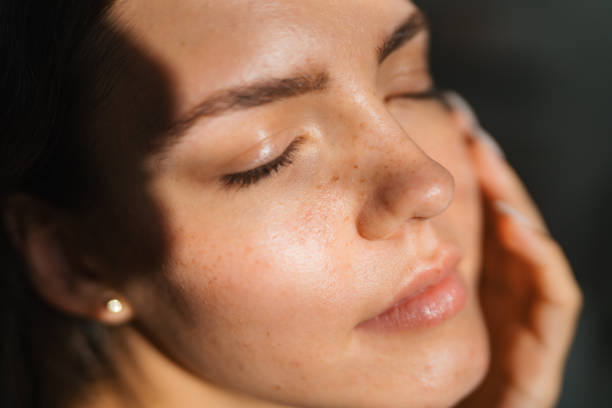

Facial skin naturally changes over time. Gradual loss of firmness, elasticity, and definition can affect areas such as the cheeks, jawline, and brow. Many individuals seek solutions that help restore a lifted appearance without undergoing surgery. In locations such as Ultherapy Abu Dhabi, this treatment has become increasingly popular among those looking for non-surgical facial rejuvenation options. Ultherapy has emerged as a non-invasive treatment designed to support skin tightening and lifting by stimulating the body’s own regenerative processes. Understanding how Ultherapy works and how it targets facial areas can help individuals decide whether this approach aligns with their aesthetic goals.
Understanding Ultherapy Technology
Ultherapy is a non-surgical procedure that uses focused ultrasound energy to reach deeper layers of the skin. Unlike surface-level treatments that mainly affect the outer layer, Ultherapy targets foundational tissues beneath the skin. These deeper layers are responsible for structural support and firmness.
Ultrasound energy has been used in medical imaging for decades. In aesthetic applications, it is delivered in precise, controlled pulses to specific depths. This focused energy generates thermal stimulation at targeted points below the surface without damaging the outer skin layer. The body responds by activating its natural collagen-building processes, which play a central role in lifting and tightening the face over time.
How Facial Lifting Happens with Ultherapy
Facial lifting with Ultherapy is not immediate. Instead, it develops gradually as the skin responds to the treatment. The controlled thermal energy stimulates collagen production in deeper tissues, including layers that contribute to facial contour and structure.
Collagen is a structural protein that helps keep skin firm and resilient. As we age, collagen production decreases, leading to sagging and loss of definition. By encouraging renewed collagen development, Ultherapy helps strengthen the skin’s internal framework. Over several weeks and months, this renewed support can create a subtle lifting effect in key facial areas.
This process allows improvements to appear natural. Rather than altering facial features dramatically, Ultherapy enhances firmness and contour in a way that blends with the individual’s natural appearance.
Key Face Areas That Can Be Treated
Ultherapy can be used on various parts of the face where mild to moderate skin laxity is noticeable. One common area is the brow. A gentle lift in the brow region can create a more refreshed look around the eyes.
The jawline is another frequently treated area. Over time, skin around the lower face may lose definition. By targeting deeper tissues, Ultherapy can help support a more contoured appearance along the jaw.
The cheek area may also benefit from collagen stimulation. As collagen levels improve, the mid-face can appear firmer and more structured. Each treatment plan is tailored to the individual’s needs and goals, ensuring that the energy is delivered precisely where it can be most effective.
The Treatment Experience
Before undergoing Ultherapy, individuals typically have a consultation to evaluate their skin condition and discuss expectations. This ensures the treatment approach is personalized and appropriate.
During the session, a handheld device is applied to the skin. A smooth gel is often used to help the device glide and allow ultrasound waves to travel effectively. One unique feature of Ultherapy is real-time imaging, which allows the provider to see beneath the surface of the skin. This visualization enhances precision and ensures energy is delivered to the intended depth.
As the ultrasound pulses are administered, individuals may feel warmth or brief sensations of pressure. These feelings are temporary and occur only while the energy is being delivered. The duration of the procedure depends on the size and number of areas being treated.
Because Ultherapy does not involve incisions or injections, most individuals resume daily activities immediately after their session. This convenience makes it appealing to those seeking minimal disruption to their routine.
Gradual and Natural-Looking Results
One of the defining characteristics of Ultherapy is the gradual development of results. After treatment, the body begins rebuilding collagen in the targeted areas. Improvements typically become noticeable over a period of several weeks, with continued enhancement for several months.
The gradual nature of this process helps maintain a natural appearance. Friends or family may notice that the individual looks refreshed or more defined, but the changes are not sudden or dramatic. The goal is subtle lifting and improved firmness rather than an artificial or exaggerated effect.
The longevity of results varies depending on individual factors such as age, lifestyle, and skin condition. Some individuals choose additional sessions over time to maintain firmness as part of their ongoing skin care strategy.
Precision and Safety
Ultherapy stands out because it uses ultrasound imaging to guide treatment. This real-time visualization allows precise targeting of deeper tissues while preserving the outer layer of skin. The focused nature of the energy ensures that surrounding tissues are not unnecessarily affected.
Since the skin’s surface remains intact, there is no need for extended recovery periods. The technology works with the body’s natural regenerative capacity, which supports a gradual lifting effect without invasive techniques.
Setting Realistic Expectations
Ultherapy is best suited for individuals experiencing mild to moderate skin laxity. It is not designed to replace surgical procedures for those seeking significant structural changes. Instead, it offers a non-invasive method for supporting firmness and lifting in a subtle way.
Understanding that results develop over time is important. The process depends on the body’s natural collagen production, which cannot be rushed. Individuals who appreciate gradual improvements and natural-looking outcomes often find this approach aligns well with their expectations.
Personal factors, including overall skin health and aging patterns, influence how noticeable the lifting effect will be. A thorough consultation helps clarify achievable outcomes and ensures alignment between expectations and likely results.
Maintaining Facial Firmness Over Time
Collagen naturally continues to change as part of the aging process. While Ultherapy stimulates new collagen production, ongoing skin care and healthy lifestyle choices can complement its effects. Protecting the skin from environmental stressors and maintaining a consistent skincare routine can help support long-term firmness.
Some individuals may consider periodic treatments to maintain their results. The timing of follow-up sessions depends on personal goals and how the skin responds over time.
Frequently Asked Questions
Which facial areas respond best to Ultherapy?
Commonly treated areas include the brow, jawline, cheeks, and lower face. These areas often show early signs of skin laxity and can benefit from deeper collagen stimulation.
When will lifting effects become visible?
Results typically appear gradually over several weeks. Continued improvements can be seen over a few months as collagen production increases.
Is the treatment invasive?
Ultherapy is non-invasive and does not involve surgical incisions. The outer layer of skin remains intact throughout the procedure.
How long does a facial session take?
The length of a session varies depending on the size and number of areas being treated. A focused area may require less time than a comprehensive facial treatment.
Can normal activities resume after treatment?
Most individuals return to their daily routines immediately following the session, as there is no extended recovery period required.
How long do results last?
The duration of results varies based on individual skin characteristics and aging patterns. Some individuals choose maintenance sessions to sustain firmness over time.
Conclusion
Ultherapy provides a non-surgical option for lifting facial areas by stimulating collagen production in deeper layers of the skin. Through focused ultrasound energy and precise targeting, it strengthens the skin’s internal support structure and promotes gradual tightening.