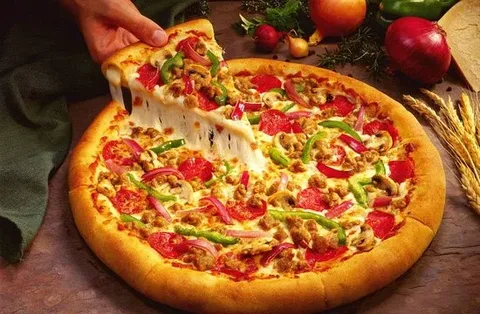

Introduction
Few foods represent a city as powerfully as New York Style Pizza represents New York. More than just a meal, it is a cultural emblem—folded in one hand, eaten while walking, and shared among friends at all hours of the day. From bustling Manhattan avenues to neighborhood corners in Brooklyn, this pizza style reflects the fast-paced, diverse, and unapologetically bold personality of the city itself.
But what truly makes New York Style Pizza different from every other variation around the world? The answer lies in its technique, ingredients, and history.
The Origins of an American Classic
The story of New York Style Pizza begins with Italian immigrants who brought their culinary traditions to the United States in the late 19th and early 20th centuries. When they settled in New York City, they adapted traditional Neapolitan pizza recipes to fit available ingredients and local tastes.
Coal ovens replaced wood-fired ones, mozzarella production expanded commercially, and crusts became larger and thinner to serve a growing urban population quickly and efficiently. Over time, this adaptation evolved into what is now known globally as New York Style Pizza.
It wasn’t created in a boardroom or designed as a marketing concept—it developed organically in response to the city’s rhythm.
What Makes New York Style Pizza Unique?
Although many restaurants claim to serve it, authentic New York Style Pizza has defining characteristics that set it apart.
1. The Crust Structure
The crust is thin but not fragile. It must be sturdy enough to support generous toppings while remaining flexible enough to fold. The outer edge forms a slightly crisp, golden rim, while the interior stays soft and chewy. This balance between crunch and elasticity is essential.
The dough typically undergoes slow fermentation, which enhances flavor and texture. This process creates a subtle complexity in taste rather than a bland base.
See more: Best New York Style Pizza
2. The Sauce Simplicity
Unlike heavily seasoned sauces found elsewhere, the sauce on New York Style Pizza is straightforward. It usually features crushed tomatoes, a touch of olive oil, mild seasoning, and sometimes a hint of sweetness. The focus remains on balance rather than overpowering spice.
3. The Cheese Coverage
Low-moisture mozzarella is commonly used, creating a smooth, even melt that stretches beautifully without releasing excess liquid. The cheese layer is consistent from center to edge, ensuring every bite carries flavor.
4. The Slice Size
Perhaps one of the most recognizable traits is its size. A typical New York Style Pizza is large—often 18 inches or more in diameter—and cut into wide slices. One slice can be as filling as a small personal pizza elsewhere.
The Art of the Fold
One of the defining rituals of eating New York Style Pizza is folding the slice down the middle. This is not just a cultural quirk; it serves a practical purpose. Folding prevents toppings from sliding off and allows for easy eating while standing or walking.
In a city where time is valuable, convenience matters. The fold transforms pizza into portable street food without compromising flavor.
Baking Method and Flavor Development
Traditional New York Style Pizza is baked in high-temperature deck ovens, historically coal-fired and later gas-powered. The intense heat creates slight char marks on the crust while preserving internal softness.
The high baking temperature also locks in moisture and enhances caramelization on the cheese. The result is a slice with subtle smokiness and depth without being overly crispy.
This baking technique requires precision. Too much heat can dry out the crust; too little leaves it limp. Mastering this balance is part of the craft.
Why It Became a Cultural Icon
New York Style Pizza grew alongside the city’s expansion. It became affordable, accessible, and available late into the night. Office workers, students, tourists, and taxi drivers all relied on it as a quick and satisfying meal.
Unlike gourmet dining experiences, this pizza style was never exclusive. It belonged to everyone. Its simplicity allowed it to transcend social boundaries and become part of everyday life.
The image of someone walking down a New York sidewalk with a folded slice has become symbolic of urban energy and authenticity.
Differences from Other Pizza Styles
Understanding what New York Style Pizza is also means understanding what it is not.
- It is thinner and more flexible than Chicago deep-dish.
- It is larger and less delicate than traditional Neapolitan pizza.
- It emphasizes balance rather than heavy toppings found in some regional American variations.
The beauty lies in restraint. No single element dominates; crust, sauce, and cheese work together harmoniously.
Modern Adaptations and Global Influence
Today, New York Style Pizza has influenced pizzerias worldwide. While many establishments replicate its thin crust and oversized slices, true authenticity requires technique, patience, and attention to detail.
Some modern variations experiment with gourmet toppings, specialty flours, or alternative baking methods. While innovation is welcome, the core identity remains rooted in its original structure and simplicity.
The global spread of this pizza style demonstrates its universal appeal. Despite countless adaptations, the fundamental concept remains instantly recognizable.
Conclusion
New York Style Pizza is more than a recipe—it is a reflection of a city’s spirit. Large, bold, practical, and approachable, it mirrors the character of New York itself.
Its thin yet resilient crust, balanced sauce, evenly melted cheese, and iconic fold make it distinct among global pizza styles. From its immigrant origins to its worldwide recognition, New York Style Pizza continues to define what a classic American slice should be.
In a world full of culinary trends, this timeless style proves that simplicity, when executed perfectly, never goes out of fashion.
For more information: click here