Everyone obsesses over the appointment. Hardly anyone respects the eyebrow healing process. Funny, because healing decides whether your brows look amazing or slightly… off. The strokes can be perfect on day one, sure, but skin has the final say.
Microblading isn’t just drawing hairlines. It’s controlled trauma. Tiny cuts, pigment placed with intention. Then your body steps in and goes, “Okay, let’s fix this.” That repair phase is where most people either win or sabotage everything.
The First 24 Hours: Calm Outside, Chaos Underneath
Right after your session, brows look bold. Crisp. Maybe darker than expected. Totally normal. Under the surface though, your skin is already inflamed and busy starting the healing cycle.
Some redness, mild swelling — expected stuff. Panic? Not necessary. This stage isn’t about judging color. It’s about protecting the pigment while your skin seals itself back together.
Days 2–5: The “Uh Oh, Did I Ruin My Face?” Phase
This is when people message artists in mild terror. Brows get darker. Sometimes thicker. Then flaking begins. Not cute, but important. The eyebrow healing process includes scabbing and shedding for a reason.
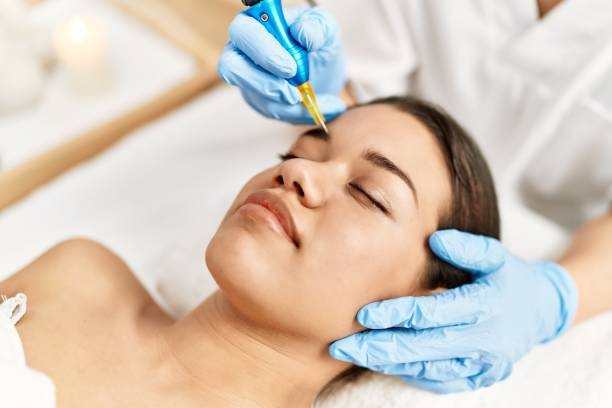
Pigment appears intense because skin is forming protective layers. It’s temporary drama. Picking at flakes? That’s how you pull pigment out and create patchiness. Hands off. Seriously.
Peeling, Flaking, And Why Your Patience Matters
Flakes fall. Color looks uneven. Maybe too light in spots. This is where trust gets tested. Healing skin isn’t a static canvas — it’s shifting, regenerating, pushing out excess pigment.
People expect linear progress. Healing doesn’t work that way. One day great, next day questionable. Relax. The real result shows after full recovery, not mid-flake meltdown.
The Ghosting Stage: Where Brows Seem To Vanish
Somewhere around week two or three, panic returns. Brows look faded. Sometimes weirdly light. Clients think pigment disappeared. It didn’t. Skin just formed a thin cloudy layer during regeneration.
This “ghosting” is classic. Temporary haze. The color gradually resurfaces as skin finishes remodeling. Judging your brows here is like reviewing a movie halfway through buffering.
Week 4 And Beyond: Brows Finally Settle Down
Now we’re talking. Flaking done. Texture normalized. Pigment stabilizing. This is when you see what actually stayed. Not what swelled, scabbed, or faked you out earlier.
Touch-up decisions happen here, not before. Because only now can an artist evaluate retention. Healing speed varies — skin type, aftercare, lifestyle, all matter.
Oily Skin vs Dry Skin: Healing Behaves Differently
Oily skin often fades faster. Pigment retention can be softer, more powdery. Doesn’t mean failure. Just different behavior. Dry skin? Usually holds strokes sharper, longer.
Neither is “better.” Just requires correct technique and expectations. A skilled artist adjusts depth, pressure, pigment choice. Healing outcomes are heavily tied to this customization.
Aftercare Isn’t Optional. It’s Half The Result
Let’s be blunt. Bad aftercare ruins good microblading. Excess moisture, sweat, sun, friction — all enemies of fresh pigment. Healing skin needs a clean, stable environment.
Too dry? Cracks and scab loss. Too wet? Pigment dilution. Follow instructions, even if they feel inconvenient. Especially then. Convenience rarely produces great brows.
Common Healing Mistakes That Wreck Results
Over-washing. Under-washing. Gym sessions too early. Sleeping face-down. Random creams from TikTok “experts.” The eyebrow healing process doesn’t forgive creativity.
Healing is not DIY experimentation. Every unnecessary variable risks uneven color, blurred strokes, premature fading. Discipline here literally shows on your face.
Why Choosing The Best Eyebrow Microblading Boston Matters
Healing success starts before the blade touches skin. Technique, depth control, pigment quality — these determine how your brows survive recovery. Not luck. Skill.
The best eyebrow microblading Boston artists understand skin biology, not just brow shapes. They anticipate healing patterns. They design work that ages well, not just photographs nicely.
Realistic Expectations: No, Brows Don’t Heal “Perfectly”
Perfect symmetry? Rare. Minor variations? Normal human anatomy. Healing adds another layer of unpredictability. Slight differences aren’t disasters — they’re reality.
Microblading enhances. It doesn’t manufacture plastic perfection. Clients happiest long-term are the ones who accept subtle, natural-looking results instead of chasing filters.
Final Thoughts: Healing Is The Hidden Art
The procedure gets the spotlight. Healing does the real work. Respecting the eyebrow healing process is what separates “nice brows” from “wow, those look incredible.”
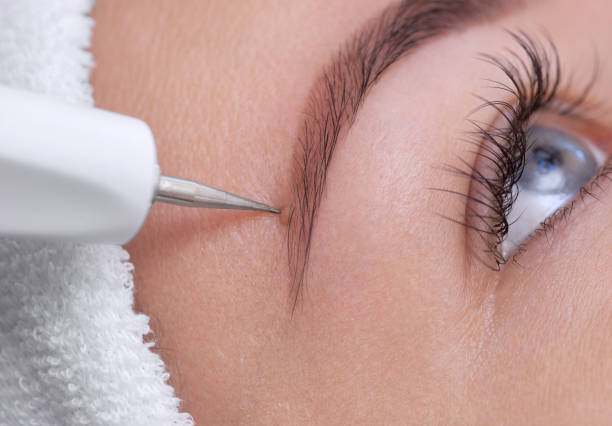
If you’re serious about results, start with the right artist and commit to aftercare like it actually matters — because it does.
FAQs About Eyebrow Healing & Microblading
How long does the eyebrow healing process take?
Most clients see surface healing in about 10–14 days, but full internal recovery and pigment stabilization typically takes 4–6 weeks.
Why do my brows look darker after microblading?
Fresh pigment plus inflammation plus early scabbing. Completely normal. The intensity softens as healing progresses.
Is flaking and scabbing unavoidable?
Pretty much, yes. It’s part of how skin repairs itself. The key is not picking or forcing flakes off.
What is the ghosting phase in microblading?
A temporary faded or cloudy appearance when new skin forms over pigment. Color usually resurfaces gradually.
Does oily skin affect healing results?
Yes. Oily skin often leads to softer healed strokes and slightly faster fading. A skilled artist adjusts technique accordingly.
When should I schedule a touch-up?
Typically around 6–8 weeks post-procedure, once the eyebrow healing process is fully complete.
Can poor aftercare really ruin my brows?
Absolutely. Improper care can cause patchiness, pigment loss, blurred strokes, and uneven healing.