
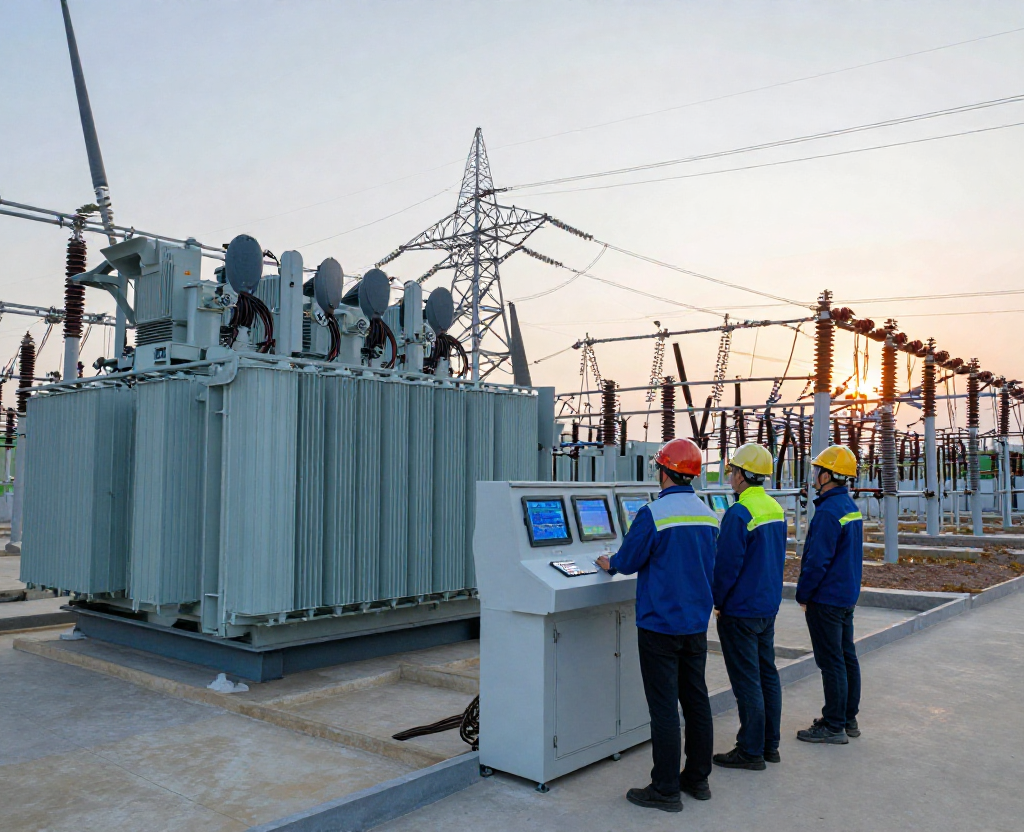

High voltage substations play a critical role in modern power systems. They serve as the backbone of electricity transmission, enabling efficient power transfer from generation plants to distribution networks. Because of their importance, electrical substation design requires careful planning, technical expertise, and strict adherence to safety and operational standards.
A well-designed substation improves system reliability, minimizes energy losses, and ensures safe operation for decades. From selecting the right location to choosing appropriate equipment and protection systems, engineers must consider several factors when developing an effective substation engineering design.
Below are some of the most important considerations engineers must evaluate when planning and designing high voltage substations.
1. Site Selection and Location Planning
The first step in electrical substation design is choosing an appropriate site. Location has a direct impact on construction costs, accessibility, safety, and long-term maintenance.
Several factors must be analyzed during site selection:
- Proximity to transmission lines and load centers
- Land availability and future expansion possibilities
- Environmental and regulatory restrictions
- Flood risk, soil conditions, and seismic activity
- Accessibility for maintenance and heavy equipment
An ideal substation site should allow easy connection to transmission networks while minimizing environmental impact. Proper site planning also ensures adequate space for equipment placement, safety clearances, and future upgrades.
2. Substation Layout and Configuration
A well-planned layout is essential for efficient operation and maintenance. In substation engineering design, engineers must determine the best configuration based on system reliability, operational flexibility, and cost.
Common substation configurations include:
- Single busbar
- Double busbar
- Breaker-and-a-half scheme
- Ring bus configuration
Each layout has advantages and limitations. For example, single busbar systems are economical but offer lower reliability, while breaker-and-a-half configurations provide higher reliability but at a higher cost.
Proper equipment spacing, safety clearances, and maintenance access must also be incorporated into the design. A carefully planned layout ensures smooth operation, quick fault isolation, and reduced downtime.
3. Equipment Selection and Specification
Selecting the right equipment is one of the most important aspects of electrical substation design. Substations operate under high voltage and high current conditions, so all equipment must meet strict performance and safety standards.
Key equipment typically includes:
- Power transformers
- Circuit breakers
- Disconnect switches
- Instrument transformers (CTs and PTs)
- Busbars and conductors
- Surge arresters
- Protection relays and control systems
When selecting equipment, engineers must evaluate voltage ratings, current capacity, insulation levels, environmental conditions, and compatibility with existing grid infrastructure.
High-quality equipment improves system reliability and reduces the risk of failures that could lead to costly outages.
4. Protection and Control Systems
Protection systems are essential for preventing damage to substation equipment and maintaining grid stability. Effective substation engineering design incorporates advanced protection schemes that detect faults and isolate affected components quickly.
Important protection elements include:
- Overcurrent protection
- Differential protection for transformers
- Distance protection for transmission lines
- Busbar protection systems
- Backup protection mechanisms
Modern substations also integrate digital control systems and SCADA (Supervisory Control and Data Acquisition) technologies. These systems allow operators to monitor equipment status, control switching operations remotely, and respond rapidly to system disturbances.
By combining reliable protection and automation technologies, substations can maintain safe and stable operation even under abnormal conditions.
5. Safety and Regulatory Compliance
Safety is a top priority in high voltage electrical substation design. Substations involve high energy levels, and improper design can pose serious risks to workers, equipment, and surrounding communities.
Engineers must follow international standards and regulatory guidelines such as:
- Proper grounding and earthing systems
- Adequate insulation and clearance distances
- Fire protection systems
- Lightning protection and surge mitigation
- Safe access pathways for maintenance personnel
Grounding systems are particularly critical because they protect equipment and personnel during fault conditions. A properly designed grounding network ensures that fault currents are safely dissipated into the earth.
Compliance with safety regulations not only protects personnel but also ensures long-term operational reliability.
6. Future Expansion and Reliability Planning
Power demand continues to grow, and substations must be designed with future expansion in mind. A flexible substation engineering design allows utilities to upgrade equipment or add new feeders without major reconstruction.
Engineers should plan for:
- Additional transformer bays
- Expansion of busbars and switchgear
- Integration with renewable energy sources
- Smart grid technologies and automation upgrades
Designing with scalability in mind reduces long-term costs and ensures the substation can support future energy requirements.
Reliability planning is equally important. Redundancy in key components, backup protection systems, and alternative power paths help maintain service continuity even during equipment failures.
Conclusion
High voltage substations are vital components of modern power infrastructure. Their performance directly affects the reliability and efficiency of electrical transmission systems. Because of this, electrical substation design must be approached with careful planning, advanced engineering practices, and strict safety considerations.
From site selection and layout planning to equipment specification and protection systems, every element of substation engineering design plays a crucial role in ensuring reliable power delivery. By focusing on safety, scalability, and modern automation technologies, engineers can create substations that support growing energy demands while maintaining operational excellence for many years.
A well-engineered substation is not just a facility—it is a long-term investment in a stable and resilient electrical grid.
