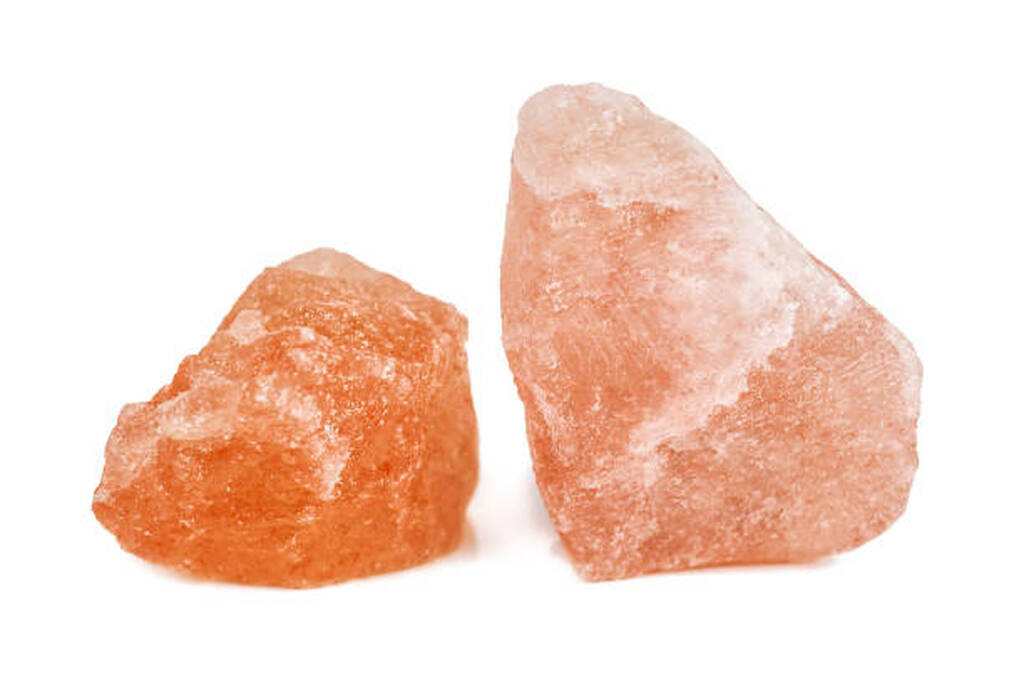

Pakistan is one of the world’s largest producers of salt, and for good reason. From the iconic Khewra Salt Mine — the second-largest salt mine on the planet — to rich coastal salt flats along the Arabian Sea, the country sits atop some of the most mineral-rich salt reserves anywhere in the world. Whether you’re a food manufacturer, a wellness brand looking to source Himalayan pink salt, or an industrial buyer in need of bulk quantities, choosing the right supplier can make or break your entire supply chain.
But here’s the thing: not every supplier is created equal. The market is crowded, standards vary widely, and making the wrong choice can lead to quality issues, shipment delays, or worse — regulatory problems in your destination country. So how do you separate the reliable from the unreliable? This guide walks you through everything you need to know when evaluating salt suppliers in Pakistan, so you can make a confident, well-informed decision.
Understanding Pakistan’s Salt Industry
Before you start reaching out to suppliers, it helps to understand what you’re working with. Pakistan’s salt industry is diverse and operates across several distinct segments.
Rock Salt vs Sea Salt vs Table Salt
The most famous product coming out of Pakistan is Himalayan rock salt — that beautiful pinkish-red mineral extracted primarily from the Khewra region in Punjab. It’s prized globally for its trace mineral content and aesthetic appeal, making it popular in food products, lamps, bath salts, and decorative items.
Sea salt, on the other hand, is produced along Pakistan’s coastal belt in Sindh and Balochistan. It undergoes a different extraction process through solar evaporation and tends to be used heavily in industrial applications like chemical manufacturing, water treatment, and textile production.
Refined table salt, which is iodized and processed, is also produced in significant quantities for domestic and export food markets. Knowing which type you need is the very first step — because not every supplier handles all three, and a specialist in one type may have very limited expertise in another.
The Scale of the Export Market
Pakistan exports salt to over 70 countries. Major markets include the United States, European Union, Japan, China, and several Middle Eastern nations. The volume is substantial, which means the supplier ecosystem is large — and varied in quality. Some exporters operate on an industrial scale with dedicated processing facilities, certifications, and established logistics networks. Others are smaller traders who source from miners and act as middlemen. Both models can work depending on your needs, but understanding who you’re dealing with is crucial.
Key Factors to Evaluate Before Choosing a Supplier
Once you know what type of salt you need and roughly what volume you’re looking for, it’s time to evaluate potential partners on the following critical criteria.
Certifications and Quality Standards
This is non-negotiable, especially if you’re importing salt for food use. Reputable suppliers should hold certifications relevant to your market and use case. Look for:
ISO 9001 (Quality Management Systems) — a baseline indicator of operational consistency.
HACCP (Hazard Analysis Critical Control Points) — essential for food-grade salt suppliers.
Halal certification — important for markets in the Middle East, Southeast Asia, and parts of Europe.
FDA registration or EU food safety compliance documentation — required for imports into the US or European markets.
Always ask to see the actual certificates, not just a verbal claim. A trustworthy supplier will have no hesitation sharing these documents.
Lab Testing and Transparency
Any credible supplier should be willing to provide a Certificate of Analysis (CoA) for their product. This document outlines the chemical composition of the salt — sodium chloride percentage, moisture content, heavy metal levels, microbial counts, and any other relevant parameters. For Himalayan pink salt specifically, you’ll want to verify that mineral trace levels are within internationally accepted ranges. If a supplier is reluctant to share lab results, that’s a serious red flag.
It’s also wise to request samples before committing to a large order. Test the samples through an independent, accredited third-party laboratory in your home country. This protects you from misrepresentation and ensures the product will meet your local regulatory requirements.
Production Capacity and Lead Times
Matching your volume requirements with the supplier’s actual capacity is critical. Some suppliers look great on paper but simply don’t have the processing or warehousing infrastructure to fulfill large or time-sensitive orders consistently. Ask directly about their monthly or annual production capacity, minimum order quantities (MOQs), and typical lead times from order confirmation to shipment.
Lead times can vary significantly depending on the type of salt, the level of processing required (raw vs refined vs custom packaging), and the shipping route. Many experienced salt suppliers in Pakistan typically operate with lead times ranging from two to six weeks for standard orders, but this can stretch longer for highly customized or large-volume shipments.
Navigating Logistics and Export Compliance
Even the highest-quality salt does you no good if it’s stuck in customs or arrives damaged. Logistics and export compliance are areas where many buyers — especially first-timers — get caught off guard.
Packaging Options and Customization
Salt can be shipped in a wide range of packaging formats: bulk loose containers, jumbo bags (also called FIBC or big bags), 25kg or 50kg woven polypropylene sacks, and consumer-ready retail packaging in smaller quantities. The right format depends entirely on your downstream use.
If you’re a retailer or brand looking to white-label, you’ll want a supplier experienced in custom packaging — including private label design, nutritional labeling compliant with your local regulations, and proper food-grade barrier materials. Confirm the supplier has in-house packaging capability or a reliable packaging partner, as outsourcing this step to a third party can introduce consistency issues.
Shipping Methods and Incoterms
Pakistan’s main export port is Karachi, which handles the vast majority of international salt shipments. Suppliers typically offer shipments via FCL (Full Container Load) or LCL (Less than Container Load), depending on your quantity. Understand the Incoterms being offered — whether it’s FOB (Free on Board), CIF (Cost, Insurance and Freight), or DDP (Delivered Duty Paid) — as this determines who bears responsibility and cost at each stage of transit.
A supplier who clearly explains shipping logistics, can provide freight quotes, and has established relationships with freight forwarders is a much safer bet than one who is vague about these details. Ask for references from previous international buyers and, if possible, speak directly with those buyers.
Export Documentation
Proper export documentation is the backbone of a smooth import process on your end. You should expect a supplier to provide a commercial invoice, packing list, bill of lading, certificate of origin, phytosanitary or health certificates (where applicable), and any additional country-specific documentation your import regulations require.
Errors or omissions in these documents are one of the most common causes of customs delays. A well-organized supplier with a dedicated export team will have documented procedures for preparing paperwork accurately and on time.
Vetting Suppliers and Building a Long-Term Relationship
Evaluating credentials and logistics is just one part of the equation. Building a durable supply chain partnership requires a bit more due diligence upfront.
Visiting Facilities and Auditing Operations
If your order volume justifies it, visiting the supplier’s facility in person — or hiring a local third-party audit company to do so — is one of the smartest investments you can make. This gives you a firsthand look at processing hygiene, storage conditions, equipment quality, and worker practices. Many seasoned importers insist on a facility audit before signing any long-term supply agreement.
If an in-person visit isn’t feasible, ask the supplier for a video tour of their facility, photos of their equipment, and references from other international buyers. The willingness to accommodate these requests is itself a positive sign.
Communication, Responsiveness, and Professionalism
This might seem like a soft criterion, but it’s incredibly telling. Pay attention to how quickly a supplier responds to your inquiries, how clearly they answer your questions, and how professionally they present themselves. Slow response times, vague answers, and inconsistent communication during the pre-sales process are almost always a preview of what working with that supplier long-term will look like.
The best salt suppliers in Pakistan will have dedicated export teams or sales managers who speak your language — literally and figuratively. They’ll understand international business etiquette, be familiar with your market’s requirements, and treat the relationship as a long-term partnership rather than a one-off transaction.
Starting with a Trial Order
No matter how impressive a supplier looks during the evaluation phase, always start with a smaller trial order before committing to a large-volume contract. This real-world test gives you a chance to evaluate product quality firsthand, assess packaging integrity on arrival, check whether delivery timelines were met, and verify that all documentation was handled correctly.
Consider the cost of a trial order as an investment in intelligence. Discovering a problem at the trial stage is far less costly than discovering it mid-way through a multi-container annual contract.
Final Thoughts
Pakistan’s salt industry offers tremendous opportunity for buyers around the world — the raw material quality is exceptional, production volumes are substantial, and the country’s export infrastructure has matured considerably over the past decade. But taking advantage of these opportunities requires careful, methodical supplier evaluation.
When evaluating salt suppliers in Pakistan, keep your focus on certifications, transparency, capacity, logistics competence, and communication quality. Prioritize relationships over the lowest price — a slightly higher per-tonne rate from a reliable, certified supplier is almost always better value than a rock-bottom price from an unvetted one.
Do your homework, test before you commit, and build your supply relationships on a foundation of verified quality and mutual accountability. In an industry where consistency and compliance matter as much as cost, that foundation is everything.