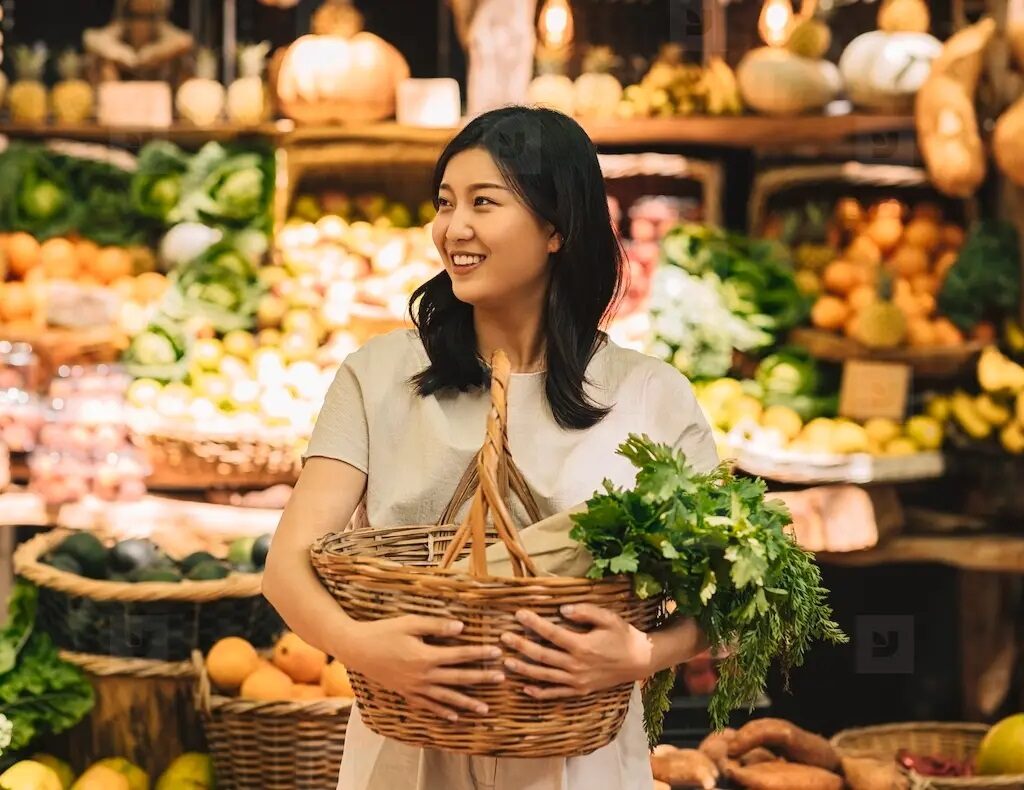

Walk into any well stocked Asian Food Market in the UK and there is a certain stillness beneath the bustle. The chillers hum, aunties compare bundles of herbs, someone stands quietly in front of the rice shelves, reading labels with care. For many immigrants, this is not just a shop. It is a reminder that the flavours of home still exist, even thousands of miles away.
Food carries memory in a way little else can. A specific brand of fish sauce, a particular chilli paste, the exact type of jasmine rice used for years in a family kitchen. These details may seem small to outsiders, yet they hold entire childhoods. The first spoonful of a familiar soup after months of adaptation can feel grounding. It confirms that identity does not disappear at the border.
More Than a Place to Shop
The comfort of familiar ingredients runs deeper than preference. It anchors routine. A mother searching for the right tofu does not simply want tofu. She wants the texture that works in a dish her own mother taught her to cook. That small success at the dinner table keeps tradition alive in a new country.
The scent of dried anchovies, pandan leaves, or roasted sesame oil often hits before anything else. Those aromas spark recognition instantly. In many cases, they do more to ease homesickness than a phone call ever could. They remind shoppers that their food culture remains intact, even when everything else feels unfamiliar.
Food also shapes ritual. Lunar New Year, Mid Autumn Festival, Songkran, or Tết require specific ingredients. When shelves carry those seasonal items at the right time of year, it signals respect for tradition. It tells customers that their celebrations matter.
The Asian Food Market as a Cultural Anchor
An Asian Food Market often becomes a quiet meeting point. Conversations begin in shared languages, sometimes switching fluidly between English and the mother tongue. A recommendation for a better brand of soy sauce leads to a discussion about a local school, then a job opportunity, then news from back home.
These interactions build community in subtle ways. Noticeboards might advertise language classes, cultural events, or rooms for rent. Elderly shoppers exchange recipes with younger ones who grew up in Britain. Parents explain the significance of certain ingredients to children who navigate two cultures daily.
Passing traditions to the next generation rarely happens in formal settings. It happens in aisles. A father reaches for a jar of fermented bean paste and explains how his grandmother used it. A teenager learns the difference between regional noodles. That knowledge transfer keeps heritage alive.
Preserving Authentic Flavours Across Borders
Authenticity matters deeply within immigrant communities. When a store stocks the right brands, imports directly from trusted suppliers, or carries region specific products, customers notice. Trust builds over time through consistency, quality, and care.
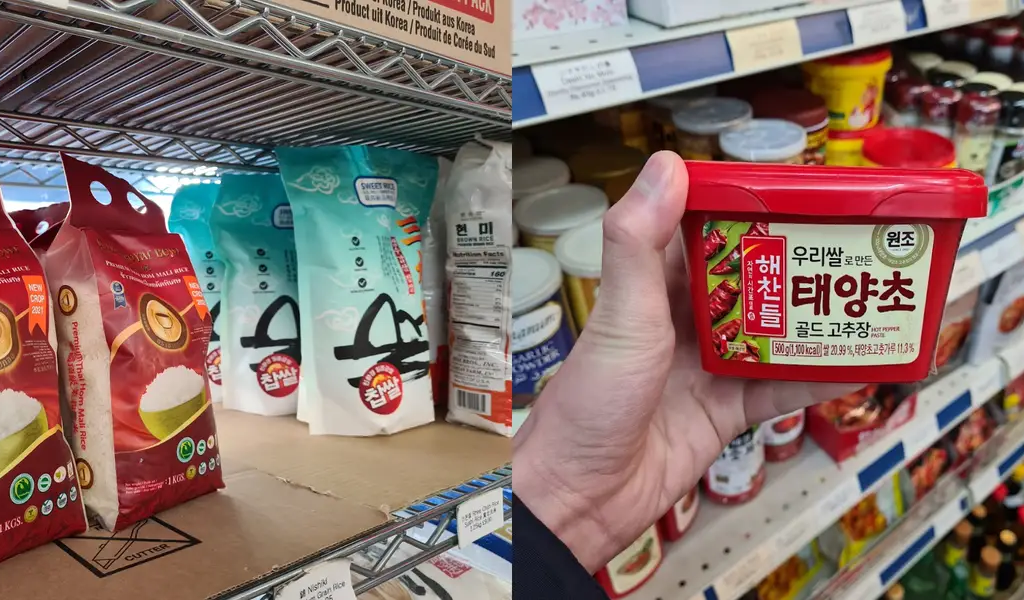
A Korean Grocery Store plays a vital role in this process. It safeguards culinary heritage by offering staples that mainstream supermarkets often overlook. Gochugaru with the correct heat level, properly fermented kimchi, rice cakes prepared for traditional dishes. These products allow families to cook without compromise.
In the UK, HiYou supports this sense of continuity by sourcing genuine Asian ingredients and presenting them with clarity and care. That approach reflects a commitment to authenticity, diversity, and quality, values that resonate strongly within immigrant households. When customers trust that the ingredients are right, they cook with confidence.
Everyday essentials can carry emotional weight. A particular brand of instant noodles might have sustained someone through university. A jar of chilli crisp may remind a shopper of late night meals with siblings. These items sit quietly on shelves, yet they represent resilience, adaptation, and memory.
The importance of these spaces rarely makes headlines. They do not attract attention like trendy restaurants or viral food products. Still, they hold communities together in steady, practical ways. Through rice, spices, herbs, and sauces, they protect identity in a foreign land.
The Asian Food Market and the Wider Community
An Asian Food Market does not serve immigrants alone. Over time, it draws in neighbours who feel curious about new ingredients or want to recreate a dish they tasted on holiday. A British shopper may walk in searching for ramen, then leave with miso paste, sesame oil, and fresh dumplings after a short conversation at the till.
That exchange matters. It turns food into a bridge rather than a barrier. When shoppers ask how to use Thai basil or which rice suits sushi, staff often respond with enthusiasm, sharing preparation tips or quick serving ideas. Those small moments build understanding through shared meals rather than abstract discussion.
Local communities benefit in practical ways too. These shops generate foot traffic, support nearby businesses, and add variety to the high street. A once uniform row of shops gains colour, aroma, and energy. The presence of imported vegetables, regional snacks, and festival displays introduces cultural richness into everyday life.
At HiYou, this bridge between cultures remains central. The store connects customers to authentic Thai, Vietnamese, Korean, and other Asian products, helping long term residents rediscover favourites while inviting newcomers to explore something unfamiliar. That balance between familiarity and discovery keeps the shelves lively.
Supporting Identity, Belonging, and Small Business
Many of these shops began as family ventures. A couple noticed the absence of certain ingredients, sourced them directly, and slowly built a loyal customer base. Children grew up stacking shelves after school, translating for parents, then taking over operations years later. The shop became woven into family history.
That generational commitment shapes the atmosphere. Staff often recognise regular customers, remember preferred brands, or set aside seasonal items on request. The relationship extends beyond transaction. It feels personal, steady, reliable.
Economic contribution follows naturally. These businesses create jobs, pay local suppliers, and reinvest within their neighbourhoods. They also fill a gap that mainstream retailers often ignore. When larger chains limit their range to a few token products, specialised stores step in to provide depth and authenticity.
Recognition rarely matches their impact. Food writers may spotlight restaurants, yet the ingredients that make those meals possible come from somewhere. Without accessible, well stocked stores, many traditional dishes would fade from home kitchens.
For immigrants, the value runs deeper than commerce. These shops affirm that cultural identity can coexist with adaptation. A person can navigate British life during the day, then cook a meal rooted in childhood that evening. The act of buying the right rice, sauce, or spice becomes quietly empowering.
Over time, what began as a practical necessity turns into a symbol of belonging. The aisles hold more than products. They hold shared stories, resilience, and continuity.
Asian grocery stores stand quietly on high streets across the UK, often overlooked, always essential. They nourish families, preserve heritage, support small business, and invite others to taste something new. In doing so, they strengthen communities from the inside out.