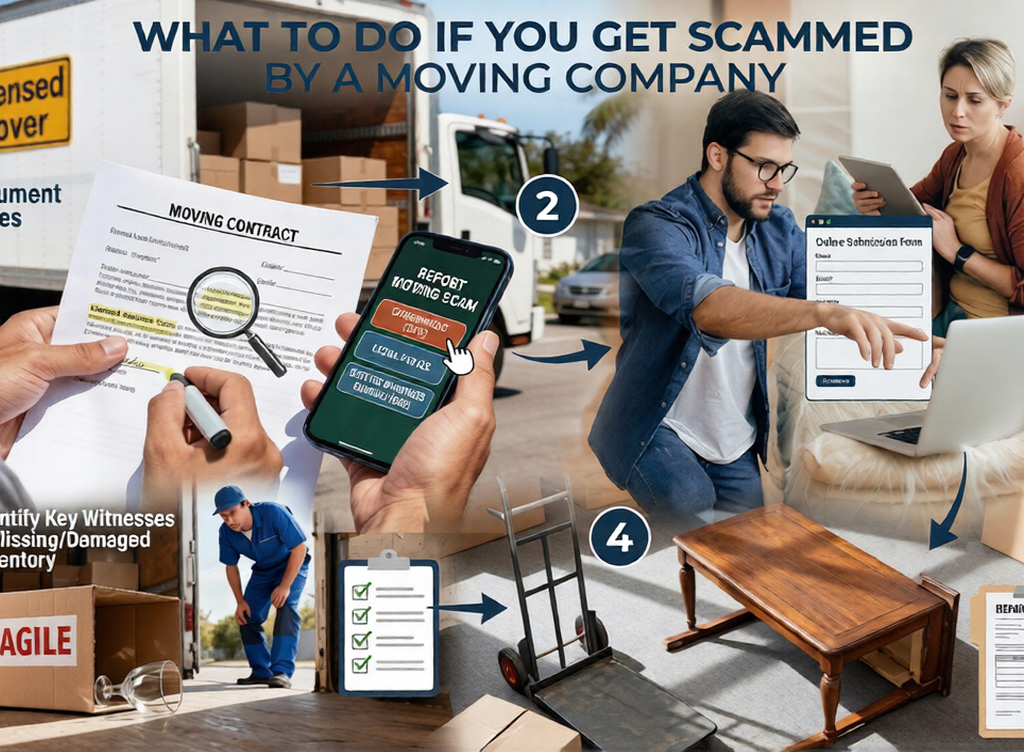

Moving to a new place is supposed to be exciting, but for many people, it turns into a stressful experience because of scams. Every year, thousands of customers fall victim to dishonest movers, losing money, time, and even their belongings. According to industry reports, more than 3,000 complaints related to moving fraud are filed annually in the U.S. alone. So, if someone finds themselves in this situation, they are not alone—and more importantly, there are clear steps they can take.
Stay Calm and Gather All Evidence
The first thing a person should do is stay calm. Panic often leads to poor decisions, and in scam situations, clear thinking is crucial.
They should start by collecting every piece of evidence related to the move. This includes contracts, receipts, emails, text messages, and even screenshots of the company’s website. If they have photos of their items before the move, those can also help.
Statistics show that nearly 65% of scam complaints lack proper documentation, which makes it harder to take legal action. So, having organized records can significantly increase the chances of resolving the issue.
Try to Contact the Moving Company
Before jumping to conclusions, they should attempt to contact the moving company directly. In some cases, delays or misunderstandings are not scams but poor service.
They should call, email, and even reach out through social media if possible. If the company refuses to respond or demands extra money to release belongings, it is a major red flag. In fact, hostage load scams—where movers hold items until extra payment is made—are among the most reported moving fraud cases.
File an Official Complaint Immediately
If it becomes clear that it is a scam, the next step is to report it as soon as possible. Time plays a big role here.
They can file complaints with organizations like the Federal Motor Carrier Safety Administration (FMCSA), Better Business Bureau (BBB), or local consumer protection agencies. Studies show that reporting scams within the first 72 hours increases recovery chances by up to 40%.
They should also follow proper procedures outlined in a Report Moving Scams Guide, which explains step-by-step how to file complaints effectively and avoid common mistakes.
Notify Your Bank or Payment Provider
If any payment has already been made, especially through credit cards or bank transfers, they should immediately contact their financial institution.
Credit card companies, for example, allow chargebacks in many fraud cases. According to financial data, nearly 80% of fraud-related disputes are resolved in favor of customers when reported quickly.
If the payment was made in cash, recovery becomes more difficult, but reporting still helps build a case against the scammer.
Leave Reviews and Warn Others
One of the most powerful things a victim can do is share their experience publicly. Writing honest reviews can prevent others from falling into the same trap.
Platforms like Trustpilot, Yelp, and Google Reviews play a big role in shaping customer decisions. Research shows that 93% of people read online reviews before hiring a service.
They can also share their experience on platforms like Moving Scam Stories, where real-life cases are documented to spread awareness and help others identify warning signs early.
Seek Legal Help if Necessary
If the financial loss is significant, consulting a lawyer might be the right step. Legal professionals can guide victims on whether they have a strong case.
In some situations, small claims court can be an effective option. It is designed for resolving disputes quickly without high legal fees. Around 60% of small claims cases related to service fraud end with some form of compensation.
Report to Law Enforcement Authorities
In serious cases involving large sums of money or stolen belongings, reporting the scam to local law enforcement is essential.
While not all cases lead to immediate action, reports contribute to larger investigations. Law enforcement agencies often track repeat offenders, and multiple complaints can lead to legal action against fraudulent companies.
This is why it is important not to stay silent. Reporting helps not just one person but many others who might be targeted next.
Learn How to Avoid Moving Scams in the Future
Once someone goes through a scam, the next step is prevention. Learning from the experience can save them from future problems.
They should always verify a moving company’s license, read reviews, and avoid companies that demand large upfront deposits. According to consumer protection data, nearly 50% of moving scams involve companies that request full payment before the move begins.
Using trusted resources like Moving Scam Stories can also help people stay updated on common scam tactics and warning signs.
Final Thoughts
Getting scammed by a moving company can feel overwhelming, but it is not the end of the road. With the right steps—collecting evidence, reporting quickly, and spreading awareness—victims can take back control of the situation.
More importantly, sharing experiences and following reliable resources like the Report Moving Scams Guide ensures that others do not face the same issue.
In the end, awareness is the strongest defense. The more people talk about scams, the harder it becomes for fraudsters to succeed.