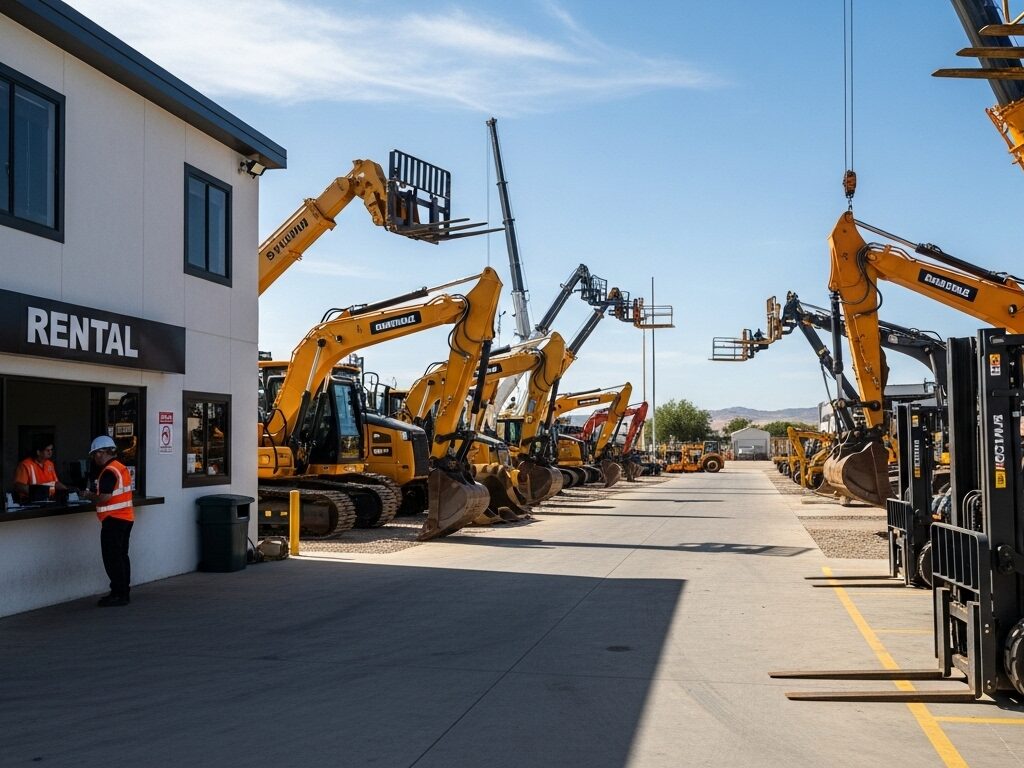

In today’s booming construction industry, the demand for heavy machinery and specialized equipment is rapidly increasing. Nonetheless, it is not possible to purchase costly equipment in every project by every contractor or builder. This is an increasing demand that has seen the construction equipment renting business become a lucrative and worthwhile business venture. Allowing contractors to use tools and machinery without the extra financial liability of ownership means that the entrepreneur can create a stable flow of income as well as aid in infrastructure development.
Before starting, it’s essential to develop a clear plan that includes thorough market research, financing strategies, equipment management, and effective promotion. Leveraging professional insights through accurate estimating services helps you forecast startup and operational costs precisely, and maintain financial stability from day one. Whether you’re an experienced industry professional or a new investor, understanding how to organize, operate, and scale your business strategically is key to achieving long-term success.
1. Conduct Market Research
When investing in equipment, it is advisable to first know the local demand and competition. Determine what equipment is the most required in your region, e.g., excavators, bulldozers, cranes, concrete mixers, or power tools.
Key steps include:
- Researching the trends and future projects in your area of construction.
- Survey of the rental prices of competitors.
- Determining unmet needs within the market, e.g., specialized or small-scale equipment.
- Assessing demand throughout the seasons to have an effective inventory management.
Market research assists in making quality decisions about which equipment to buy initially and which equipment to charge at competitive prices.
2. Create A Detailed Business Plan
A sound business plan is your guardian towards success. It establishes your targets, finances, and expansion plans. Include these main sections:
- Executive Summary: Describe your business idea and goals.
- Market Analysis: Concisely summarize the local demand and competitor data.
- Operations Plan: Outline logistics, maintenance, and staffing requirements.
- Marketing Plan: Explain how you will attract contractors and companies.
- Financial Plan: Incorporate the approximate costs, prices, and projected profits.
Being organized is important when trying to find investors or when trying to secure a bank loan. Having a plan will assist you in keeping your head straight.
3. Register Your Business And Obtain Licenses
Second, start a legal business of renting equipment by registering your business with the local authorities. Select an appropriate business organization- partnership, limited liability company (LLC), or sole proprietorship.
Depending on the area you are based in, you may require certain licenses or permits. As an example, safety or environmental clearances may be required on equipment that touches on heavy machinery, fuel storage, or transportation. Besides, make sure that you follow the rules of taxation and ensure your business before launching.
Recommended actions:
- Register your company name.
- Apply to get a tax identification number.
- Acquire business and safety permits.
- Take equipment, liability, and worker insurance.
4. Choose The Right Equipment
Choosing the appropriate equipment can be considered one of the most important actions in starting your rental company. It is best to start small first and target high-demand items in your target market.
Look at the following things when buying:
- Demand: Pay attention to all-purpose machines such as excavators, loaders, and power generators.
- Budget: To have a mix of new and used equipment to save on expenditure.
- Brand reliability: Invest in reliable brands that are reputed to be of high quality.
- Availability of maintenance and servicing: Make the spare parts and service centres easily accessible.
It is possible to grow your inventory with time as the demand and cash flow increase.
5. Arrange Financing
When starting a construction equipment rental business, the initial investment required is very high, particularly in buying machinery. In case of insufficient personal savings, consider financing by:
- Bank loans or credit lines for the business.
- Leasing or financing programs for equipment.
- Investor partnerships.
- Small business grants by the government.
Ensure that the terms of repayment are in accordance with your estimated rental income. Calculate your profitability (ROI) with care so that the business does not go bankrupt when you pay off the loan.
6. Find A Suitable Location
Your equipment rental company should have strategic positioning on where to store its equipment and where to be accessible to the customers. Choose a site that is:
- Available readily to construction companies and contractors.
- Spacious enough to accommodate safe equipment, maintenance, and parking.
- The loading/unloading facilities are fitted.
Also invest in security systems like camera surveillance, perimeter fencing, and access control to secure valuable machinery.
7. Develop Maintenance And Inspection Procedures
Maintaining it correctly makes your equipment reliable and safe for the customers. Develop a maintenance plan for every machine to be inspected, serviced, and parts replaced regularly.
Key maintenance practices:
- Carry out pre-rental and post-rental inspections.
- Keep a track of all repairs and maintenance.
- Train employees to deal with small-scale repairs.
- Immediately change obsolete or hazardous equipment.
They should also be in great condition as the equipment serves as the best way to prolong its lifespan, your business reputation, and customer trust.
8. Set Competitive Rental Pricing
Pricing has a significant contribution to customer attraction and profitability. Research the rates of your competitors and set them depending on the condition of the equipment, its size, and the period of the rental.
The models of pricing are:
- Short-term rentals are charged on hourly or daily rates.
- Long-term construction projects weekly or monthly packages.
By providing competitive prices and discounts to repeat customers, your business may get repeat business. You should always be careful that your prices take into account your maintenance, depreciation, insurance, and storage expenses.
9. Build An Online Presence And Market Your Business
In the technological age, advertising is needed to get hold of the customers and display your rental stock. Develop a professional website with your equipment available, rental fees of renting, contact information, and reviews left by your customers.
Other marketing plans involve:
- Advertising in social networks, such as Facebook, Instagram, and LinkedIn.
- Registering your company on web directories and Google Maps.
- Conducting local advertisements to contractors and developers.
- Collaboration with construction businesses on long-term leases.
There is credibility through a robust online presence, which facilitates ease of finding and reaching your business by your clients.
10. Hire Skilled Staff
When your business expands, you will require a team of professionals to manage the business effectively. Based on your size, you may think about hiring:
- Maintenance operators or mechanics.
- Rental and inquiry staff to handle customers.
- Finance officers or accountants to do billing and records.
- The Marketing/ Sales team is to get new customers.
Make sure that all the employees are offered the best safety and operational training to guarantee quality and reduce liability.
11. Manage Risk And Insurance
Construction equipment is expensive, and rental businesses face potential risks such as accidents, theft, or damage. Comprehensive insurance coverage is non-negotiable.
Types of insurance to consider:
- General liability insurance.
- Property and equipment insurance.
- Workers’ compensation insurance.
- Commercial vehicle insurance (if offering transport).
Require customers to sign rental agreements outlining liability, damage responsibility, and payment terms before each rental.
12. Scale Your Business
When your rental business is stable, then find new opportunities to expand. You can:
- Add new specialized equipment, depending on the market.
- Provide added services such as equipment delivery or on-site services.
- Expand the rental facilities in other cities or regions.
- Collaborate with construction companies to make long-term contracts.
Constant betterment, quality service, and customer satisfaction will lead to the generation of repeat business and eventual profitability.
Conclusion
Constructing an equipment rental business that deals with construction equipment is a demanding process in terms of effort and investment, but the returns can be quite high. Through effective planning, choice of equipment, maintenance, and marketing, entrepreneurs would be able to develop a profitable business to sustain the expanding construction industry. Quality service, safety, and long-term client relationships: these three factors will make the company stand out in the competitive market. With the ever-growing infrastructure development process across the planet, the rental equipment will most certainly keep growing in demand, and it is among the most promising projects, both to new and experienced entrepreneurs.
FAQs
How Much Does It Cost To Start A Construction Equipment Rental Business?
The startup costs may be between 100,000 and 500,000 dollars, depending on what type of equipment you have, where it is set up, and the size of your business.
What Types Of Equipment Are Best To Start With?
Start with fast-selling machines like excavators, loaders, concrete mixers, and generators, which are the main requirements of most construction projects.
How Can I Attract Customers To My Equipment Rental Business?
Create a robust presence on the web, provide flexible rates, as well as establish long-term relationships with local contractors and construction companies.