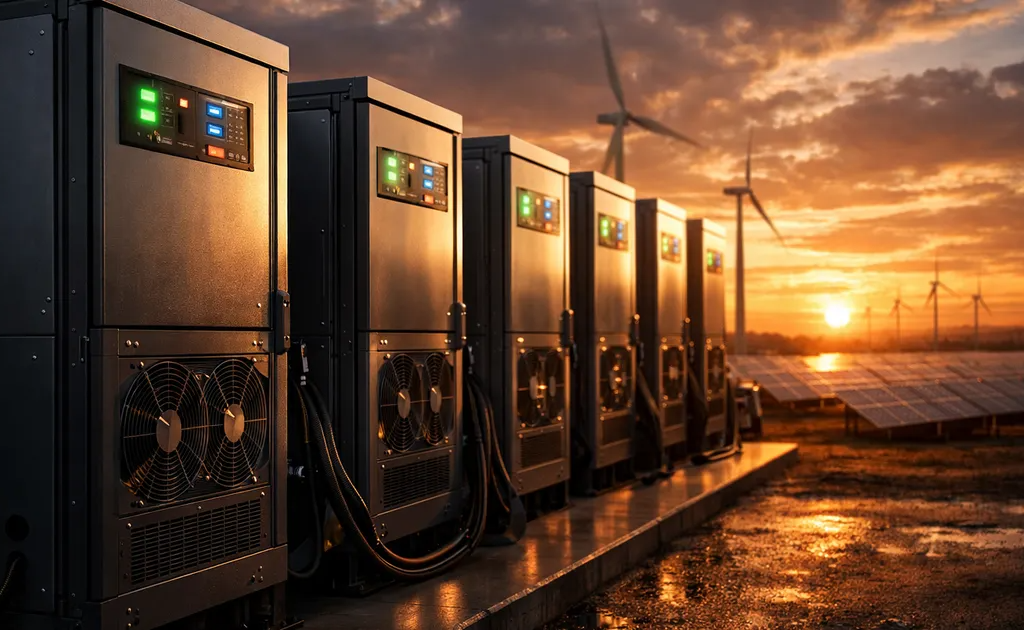

Electricity powers modern life. From industrial manufacturing plants to renewable energy farms, reliable electrical conversion is essential for keeping systems running smoothly. However, many large-scale applications require more than standard power electronics. They need equipment capable of handling significant electrical loads while maintaining stable performance.
This is where high power inverter systems come into play.
These systems convert electrical energy from one form to another while supporting large-scale operations. They are designed to handle substantial power levels that smaller inverters cannot manage. As industries grow and energy demands increase, the role of inverter systems continues to expand across many sectors.
Understanding where these systems are used helps illustrate their importance in modern infrastructure.
Renewable Energy Power Plants
One of the most common applications of high-power inverter systems is in renewable energy projects. Solar farms and large wind installations produce significant amounts of electricity that must be converted into grid-compatible power.
Solar panels generate direct current electricity. To feed that power into the grid, it must be converted into alternating current. High-capacity inverters handle this process efficiently while maintaining stable output.
Large renewable installations depend on these systems to manage power conversion across thousands of panels or turbines. Reliable conversion ensures that the energy generated by renewable sources can be delivered safely to homes and businesses.
Technology providers such as BOS Power contribute to the development of advanced power electronics that support these large-scale renewable systems.
Industrial Manufacturing Facilities
Manufacturing plants often rely on powerful motors, automation equipment, and high-energy machinery. These systems require precise power control to operate efficiently.
High-power inverter systems help regulate motor speeds, manage energy consumption, and maintain stable electrical conditions within industrial environments. By converting and controlling electrical power, they allow factories to optimize productivity while reducing energy waste.
In heavy industries such as steel production, mining, and chemical processing, power conversion technology plays a critical role in maintaining reliable operations.
Energy Storage and Grid Support
Another major application for high-power inverter systems is in energy storage infrastructure. Battery energy storage facilities store electricity for later use and help stabilize electrical grids during periods of high demand.
When stored energy needs to be delivered back to the grid, the inverter converts the battery’s direct current into alternating current that matches grid requirements.
This capability allows energy storage facilities to support grid reliability, prevent power outages, and balance supply and demand.
Energy technology companies such as BOS Power help develop solutions that enable efficient power conversion for these large-scale storage systems.
Transportation and Marine Applications
High-capacity electrical systems are also used in transportation sectors. Marine vessels, rail networks, and aviation ground equipment often require powerful electrical conversion systems to operate efficiently.
High-power inverter systems help manage energy distribution in these environments by converting electrical power to match the requirements of onboard equipment and propulsion systems.
This technology improves operational efficiency while supporting the electrification of transportation systems.
Powering the Infrastructure of the Future
As global energy demand continues to grow, industries require increasingly advanced power management solutions. Renewable energy expansion, electrified transportation, and modern manufacturing all depend on reliable electrical conversion.
High-power inverter systems provide the capacity and stability needed to support these demanding applications. From renewable energy plants to large industrial operations, these systems play a vital role in powering the infrastructure that supports modern society.