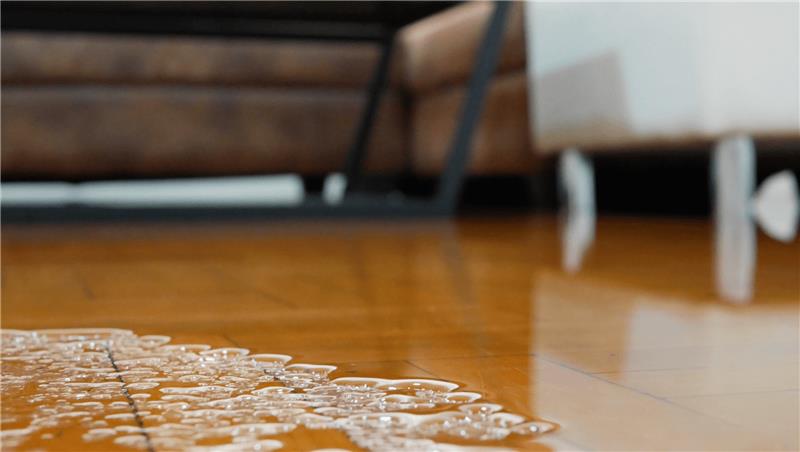

Water damage is one of the most common and destructive issues that homeowners and business owners face. Whether caused by a leaking pipe, a burst water heater, heavy rainfall, or even flooding, water damage can wreak havoc on your property. Even if the damage doesn’t seem severe at first, it can lead to long-term issues like mold growth, weakened structures, and permanent property loss if not addressed promptly.
In this blog post, we will explain what water damage restoration is, why it’s important, the process involved, and how you can prevent water damage in the future. We’ll also discuss how to choose a reliable water damage restoration company to ensure the best results.
What is Water Damage Restoration?
Water damage restoration refers to the process of cleaning up, drying, repairing, and restoring areas of your home or business that have been affected by water. This process is necessary to prevent further damage and ensure that your property is safe to live in again.
Water damage can result from various sources, including:
- Leaking pipes or burst pipes.
- Flooding from heavy rains or storms.
- Overflowing appliances, such as dishwashers or washing machines.
- Roof leaks from damaged shingles or flashing.
- Sewage backups or leaks from toilets.
- Condensation from high humidity or air conditioning units.
Restoration is essential not only to address visible water damage but also to eliminate any hidden moisture that could lead to problems like mold growth and structural damage. The restoration process involves a variety of steps, including water removal, drying, cleaning, sanitizing, and repairing any structural damage.
Why is Water Damage Restoration Important?
Water damage can cause more than just temporary inconvenience. If left untreated, it can lead to serious long-term issues that could affect the health of the building and its inhabitants. Here’s why water damage restoration is so important:
1. Prevents Mold and Mildew Growth
Water left standing in your home can create the perfect breeding ground for mold and mildew. These fungi can start to grow within 24 to 48 hours of exposure to moisture. Mold not only damages your property but also poses health risks, especially for people with respiratory conditions or allergies. By addressing water damage quickly, you reduce the chance of mold growth.
2. Preserves Property Value
Water damage can weaken the structure of your home or business, leading to costly repairs in the future. Wood can rot, drywall can weaken, and carpets or furniture can become permanently damaged. Fast and effective restoration minimizes the long-term damage, preserving the value of your property.
3. Improves Health and Safety
Water damage can introduce harmful bacteria and pathogens into your home. If the water is contaminated (such as from a sewer backup or flood), it could carry dangerous microbes that pose health risks. Restoration companies use cleaning and sanitizing methods to ensure the space is safe to live in once again.
4. Reduces Costs of Future Repairs
The longer you wait to address water damage, the worse it can get. What may start as a minor leak can lead to extensive damage to walls, flooring, insulation, and even the foundation. The cost of restoration is much lower than the cost of replacing large parts of your home. The quicker you act, the more money you save.
The Water Damage Restoration Process
Water damage restoration involves several steps that work together to restore your home or business to its original condition. Below is a step-by-step breakdown of the typical process:
1. Inspection and Assessment
The first step in water damage restoration is to assess the damage. A professional restoration company will inspect your property to determine the extent of the water damage. They’ll use specialized tools like moisture meters and infrared cameras to detect hidden water, such as inside walls or under floors. Once they have a full understanding of the damage, they can create a customized restoration plan.
2. Water Removal
Once the assessment is complete, the next step is removing the standing water. This step is crucial because water can continue to cause damage the longer it stays in place. Restoration teams use powerful pumps and vacuums to quickly extract any water from floors, carpets, furniture, and other affected areas. The goal is to remove as much water as possible as quickly as possible.
3. Drying and Dehumidification
After removing standing water, the next step is drying out the property. While the surface may appear dry, hidden moisture can remain in walls, floors, and other building materials. This is where industrial fans, dehumidifiers, and air movers come in. These tools work to extract any remaining moisture from the air and materials, ensuring that the area is fully dried. This step is critical because any remaining moisture can cause further damage and promote mold growth.
4. Cleaning and Sanitizing
Once the area is dry, it’s important to clean and disinfect any surfaces that came into contact with water. If the water was contaminated (such as from a sewer backup or a flooded river), it may carry bacteria and viruses that can be harmful to health. Professional water damage restoration companies will use specialized cleaning solutions to disinfect all affected areas and eliminate harmful pathogens. They’ll also deodorize the area to get rid of any unpleasant smells caused by moisture.
5. Restoration and Repair
After cleaning and sanitizing, the final step is repairing any structural damage caused by the water. This can include replacing drywall, fixing ceilings, repairing flooring, or even rebuilding parts of the structure if necessary. The goal is to restore your home or business to its pre-damage condition. Restoration experts will also take care of things like repairing damaged plumbing or electrical systems that were impacted by the water.
Common Causes of Water Damage
Water damage can occur from many different sources, and understanding the cause of the damage is crucial in finding the right solution. Here are some of the most common causes of water damage:
1. Leaking or Burst Pipes
Pipes can burst or leak due to freezing temperatures, old age, or damage. When pipes break, water can flood the area quickly, causing significant damage to walls, floors, and furniture. Frozen pipes are especially common in colder climates, but even warm-weather areas can experience issues with aging plumbing.
2. Heavy Rain and Flooding
Storms and heavy rains can overwhelm drainage systems and lead to flooding. If your home or business is located in a flood-prone area, heavy rainfall can lead to significant water damage. Floodwater can carry contaminants, making it especially important to seek professional restoration services for cleanup.
3. Overflowing Appliances
Appliances like washing machines, dishwashers, or water heaters can overflow or malfunction, leaking water onto the floor. These appliances may have hoses that wear out over time or seals that break, causing leaks. Even small amounts of water from an appliance can cause significant damage if not cleaned up quickly.
4. Roof Leaks
A leaky roof is another common cause of water damage. Damage to shingles, flashing, or the roof membrane can allow rainwater to seep into your home, causing damage to ceilings, walls, and insulation. Roof leaks can be hard to spot, so it’s important to have your roof inspected regularly.
5. Sewer Backups
Sewer backups are an unpleasant but serious cause of water damage. When plumbing systems back up, waste water can flood your home, causing extensive damage to floors, walls, and personal belongings. Sewer water is especially hazardous to health, as it contains harmful bacteria and viruses.
6. High Humidity and Condensation
Excess moisture in the air can cause problems with condensation, leading to water damage on windowsills, walls, and ceilings. In areas with high humidity or poor ventilation, the buildup of moisture can result in damp conditions that promote mold growth and damage furniture and flooring.
How to Prevent Water Damage
While you can’t always prevent water damage from happening, there are steps you can take to reduce the risk:
1. Inspect and Maintain Plumbing
Regularly inspect your pipes, faucets, and appliances for leaks or signs of wear and tear. If you have an older home, consider upgrading your plumbing to reduce the risk of pipe bursts. Also, install water leak detection systems in key areas, such as under sinks and near water heaters.
2. Ensure Proper Drainage
Make sure that your gutters and downspouts are clear and directing water away from your home’s foundation. Proper drainage will prevent water from pooling near your home, reducing the risk of flooding.
3. Maintain the Roof
Inspect your roof regularly for missing or damaged shingles and replace them as needed. Make sure your roof is properly sealed to prevent water from leaking into your home during heavy rainstorms.
4. Install Sump Pumps
If your home is prone to flooding, consider installing a sump pump in your basement or crawl space. A sump pump can help remove water before it causes significant damage.
5. Control Humidity Levels
Use dehumidifiers in areas with high humidity, such as basements, to prevent moisture buildup. Ensure that your home is properly ventilated, especially in areas like bathrooms and kitchens where steam is common.
How to Choose a Water Damage Restoration Company
When selecting a water damage restoration company, it’s important to choose a reliable and experienced team. Here’s what to look for:
1. Experience and Expertise
Choose a company with experience in handling all types of water damage, from small leaks to large floods. Look for certifications such as IICRC (Institute of Inspection, Cleaning, and Restoration Certification) to ensure they follow industry standards.
2. 24/7 Availability
Water damage can happen at any time, so it’s important to find a company that offers emergency services 24/7. The quicker they respond, the better the chances of minimizing damage.
3. Insurance Assistance
A reputable water damage restoration company will help you navigate the insurance claims process. They can work with your insurance company to ensure you get the coverage you need.
4. Transparent Pricing
Make sure the company provides clear, upfront pricing. Ask for an estimate before work begins and ensure that there are no hidden fees.
Conclusion
Water damage can cause significant harm to your property, but with quick action and professional restoration services, you can minimize the damage and restore your home or business to its original condition. If you experience water damage, don’t wait call a professional water damage restoration company to start the restoration process immediately. By acting quickly, you can prevent further damage and save both time and money in the long run.