
Improving operational efficiency is a priority for companies across industries, especially those facing rising costs, competitive pressure, and the need for predictable performance. Six Sigma consulting has become a valuable resource for organizations that want expert guidance without hiring full-time process engineers. This article explores what a Six Sigma consultant actually does, why their structured approach works, and how their involvement helps businesses make smarter, more data-driven decisions.
What Does a Six Sigma Consultant Do?
A Six Sigma consultant specializes in identifying inefficiencies, reducing variation, and improving the quality of processes. Their work revolves around data, measurement, and structured improvement frameworks. While internal teams often understand the day-to-day operations well, external consultants bring analytical expertise, broader industry experience, and unbiased insights.
Using the DMAIC Framework to Solve Problems
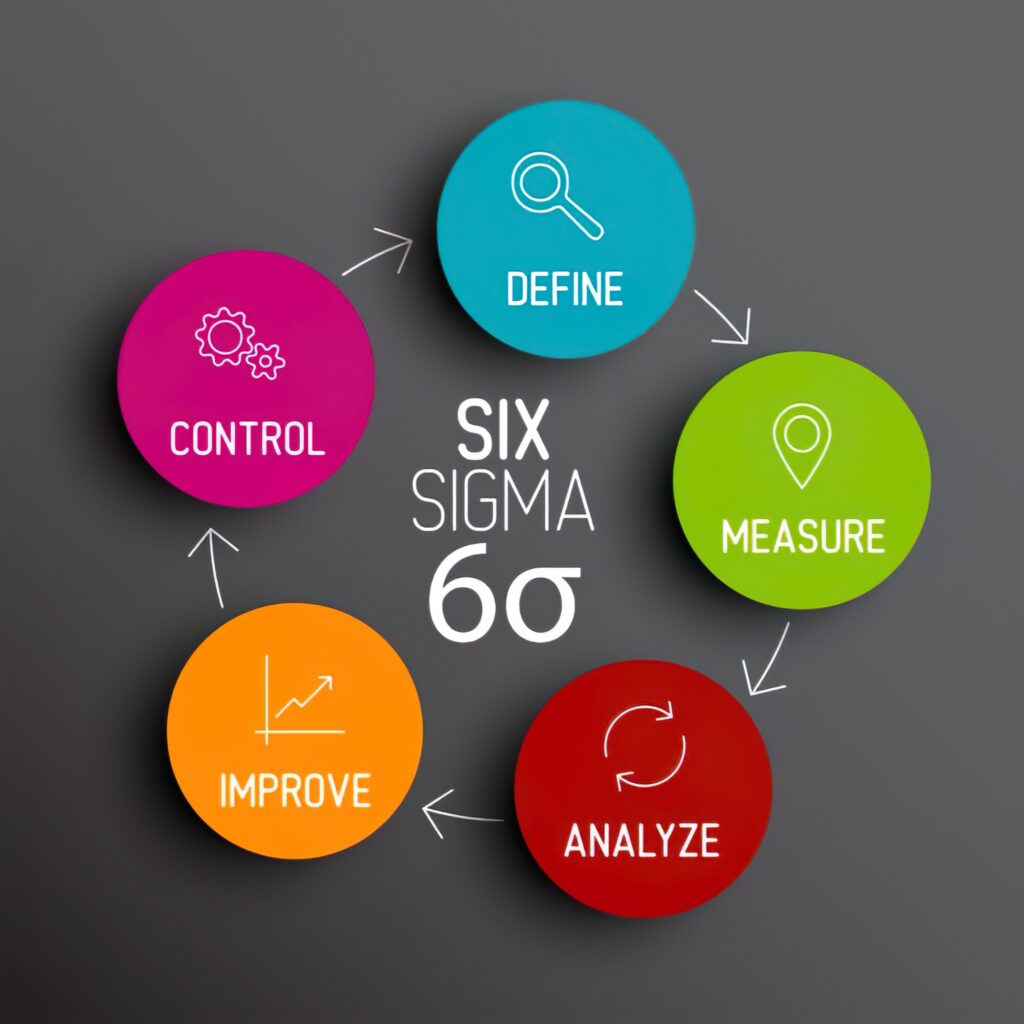
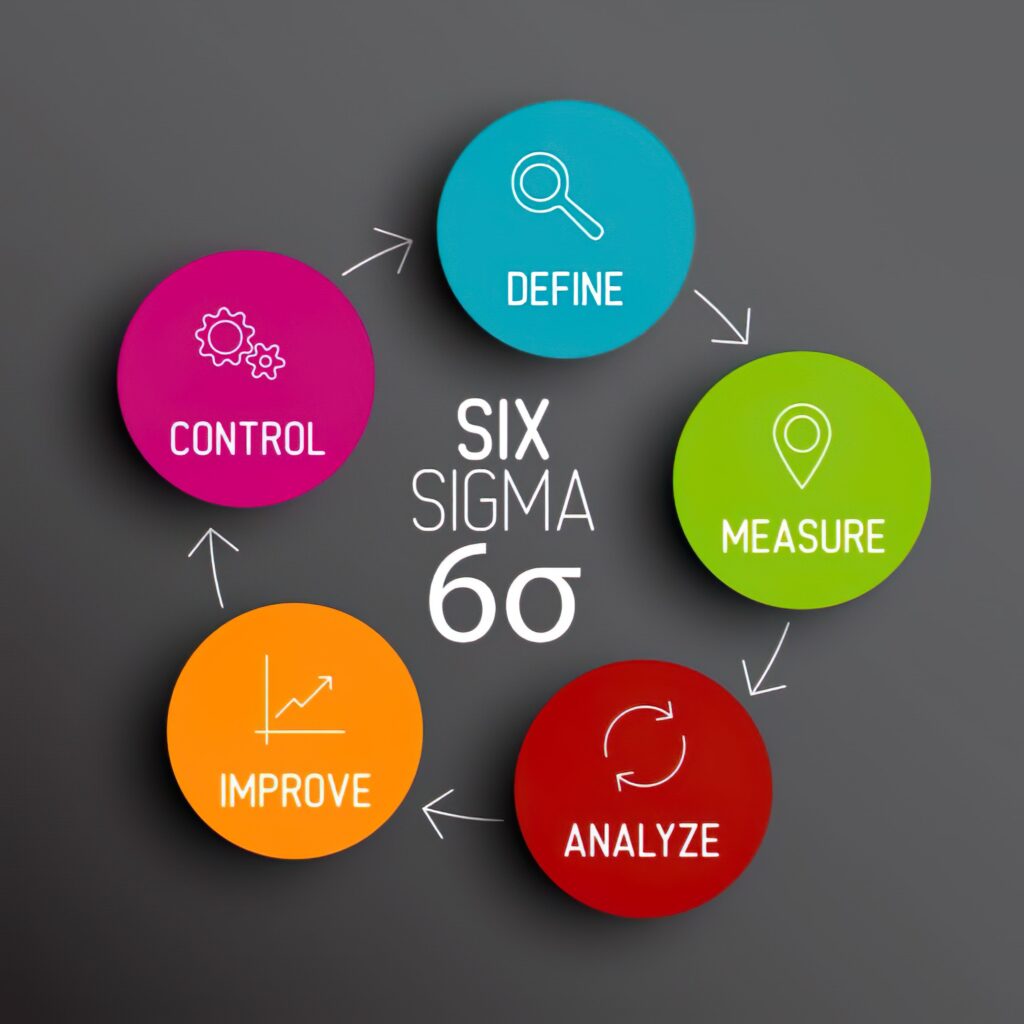
Most consultants rely on the DMAIC methodology—Define, Measure, Analyze, Improve, and Control.
- Define: Clarifying the core problem and the project scope.
- Measure: Collecting accurate data to understand current performance.
- Analyze: Identifying the root cause behind defects or inefficiencies.
- Improve: Designing optimized solutions and testing them.
- Control: Creating systems to maintain improvements long-term.
This structured approach ensures that decisions are based on evidence, not assumptions.
How a Six Sigma Consultant Helps Improve Internal Operations
1. Reducing Waste and Operational Costs
Many organizations experience hidden waste: unnecessary steps, delays, rework, or bottlenecks. A consultant uses Lean management principles to eliminate waste and streamline workflows. This often leads to measurable cost savings, faster turnaround times, and improved resource utilization.
2. Enhancing Quality and Consistency
Variation in performance—whether in manufacturing, service delivery, or administrative tasks—can lead to errors and dissatisfied customers. Six Sigma consultants apply quality tools such as control charts, process capability analysis, and standard work documentation to stabilize processes and achieve predictable results.
3. Strengthening Customer Satisfaction
Optimized processes reduce defects and improve the overall experience. By aligning internal operations with customer expectations, businesses often see improved loyalty, better reviews, and fewer service issues.
4. Empowering Teams Through Training
Consultants frequently mentor staff in Six Sigma concepts such as root cause analysis, data-driven thinking, and continuous improvement. This capability-building approach helps embed a long-term performance culture within the organization.
Why Businesses Benefit from External Expertise
Unbiased Analysis and Fresh Perspective
Internal bias can make it harder to see systemic issues. A consultant evaluates processes objectively, bringing insights from various industries.
Advanced Analytical Tools
Statistical tools, mapping software, and quality engineering techniques often require experience. Consultants use these tools to evaluate patterns that teams may overlook.
Faster Implementation
Because consultants focus exclusively on improvement projects, they progress faster than internal teams juggling daily responsibilities.
Applying Six Sigma Principles Across Different Industries
Manufacturing
Reducing defects, improving production flow, and optimizing equipment performance.
Healthcare
Standardizing patient care processes, minimizing medication errors, and reducing wait times.
Finance & Banking
Streamlining loan processing, reducing compliance errors, and improving customer service workflows.
Technology & SaaS
Improving deployment pipelines, reducing system downtime, and optimizing support operations.
Logistics & Supply Chain
Optimizing routing, reducing storage costs, and increasing on-time delivery.
The versatility of Six Sigma makes it useful in both high-volume production environments and intangible service-based industries.
A Value-Adding Resource for Further Learning
Businesses seeking to understand the broader role of process improvement can benefit from educational material available at which discusses practical frameworks related to operational efficiency. Referencing such resources helps team leaders make informed, data-driven decisions when evaluating improvement initiatives.
Building a Culture of Continuous Improvement
A Six Sigma consultant’s impact goes beyond fixing a single issue. Their role often includes helping organizations adopt a mindset of ongoing improvement. This includes:
- Establishing performance dashboards
- Standardizing best practices
- Encouraging data-driven discussions
- Creating long-term plans for operational excellence
When these practices become routine, companies experience sustainable results rather than short-lived efficiency spikes.
When Should a Business Consider Hiring a Six Sigma Consultant?
Organizations often bring in consultants when they notice:
- Declining productivity
- Rising operational costs
- Frequent customer complaints
- Slow processes or repetitive bottlenecks
- Lack of process standardization
- Need for cross-functional alignment
- Gaps in staff training or analytical capabilities
The earlier a business brings in expertise, the faster inefficiencies can be identified and corrected.
Conclusion
Six Sigma consultants help businesses identify the root cause of inefficiencies, design measurable improvements, and sustain the gains over time. Their structured, data-driven approach enhances quality, reduces waste, and empowers employees to maintain better processes. For companies exploring scalable growth, operational stability, and stronger customer satisfaction, the guidance of a skilled Six Sigma expert can provide clarity and long-term value.
FAQs
1. What is the main role of a Six Sigma consultant?
Their main role is to analyze processes, reduce variation, eliminate waste, and guide organizations through structured improvement frameworks like DMAIC.
2. How long does a typical Six Sigma project take?
Project duration varies from a few weeks to several months depending on complexity, data availability, and organizational readiness.
3. Do small businesses benefit from Six Sigma consulting?
Yes. Even small organizations can gain from reduced errors, better workflow efficiency, and clearer operational structure.
4. What is the difference between Lean and Six Sigma?
Lean focuses on eliminating waste, while Six Sigma emphasizes reducing variation. Many consultants integrate both approaches for greater impact.
5. Is hiring a Six Sigma consultant expensive?
Costs vary by project scope and industry. Businesses generally find that the savings from improved processes outweigh the consulting expense.