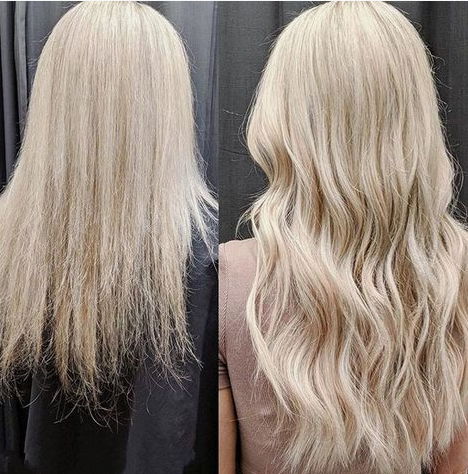

Removing hair extensions the right way is essential for keeping your natural strands healthy, strong, and damage-free. Whether you use tape-ins, sew-ins, keratin bonds, or micro-links, each method requires careful handling and proper tools. Many people make the mistake of pulling or tugging at their extensions, leading to breakage and thinning over time. Understanding the correct techniques not only protects your natural hair but also ensures that your extension install lasts longer and looks fresher each time you reinstall it.
Why Safe Removal Matters
While installing extensions requires skill, removing them is equally important. Incorrect removal can cause tension on the scalp, hair shedding, and even long-term hair loss. The type of extension you wear also determines the removal process. For example, users who prefer top rated tape in hair extensions need high-quality adhesive removers and proper sectioning to avoid tearing the natural strands. When done properly, the removal process is painless and gentle on the scalp.
1. Tape-In Extensions Removal
Tape-in extensions are popular because they are lightweight and easy to maintain, but they require precision when taking them out. The safest method is to use a professional adhesive remover designed specifically for tape. Oil-based removers work well because they gently break down the adhesive without harming the cuticle. Always apply the remover generously between the adhesive strips and allow it to sit for a minute or two. Once softened, the tapes should slide apart without resistance.
After removal, the hair should be thoroughly washed to eliminate any residue. Avoid using harsh shampoos immediately after; instead, choose a gentle clarifying shampoo followed by a hydrating conditioner. This will help rebalance the hair and reduce dryness.
2. Sew-In and Weft Extensions Removal
Sew-ins require careful cutting and professional technique. Never attempt to cut the thread yourself without full visibility, as one wrong snip can cut your natural hair. A stylist uses small, sharp scissors to remove the stitches that hold the weft in place. Once all threads are cut, the extensions slide off easily.
After the weft is removed, the stylist gently detangles the natural hair and removes any buildup from the braids. Moisturizing treatments are especially helpful after sew-ins because the hair has been tucked away for weeks.
3. Keratin Bond Extensions Removal
Keratin or fusion extensions are attached using a keratin-based adhesive. Removing them requires a keratin bond remover solution and a special set of pliers. A stylist applies the solution to each bond and squeezes the area with the pliers until the bond loosens. The softened keratin crumbles away, allowing the extension to slip off.
This process demands patience because each bond is removed individually. Rushing the process can lead to unnecessary tension on the natural strands. Once the extensions are removed, the hair should be deep-conditioned to replenish moisture.
4. Micro-Link and I-Tip Extensions Removal
Micro-links and I-tips are secured with tiny metal beads. Removing them requires professional micro-link pliers to open the bead without pulling the natural hair. The stylist squeezes the bead gently until it loosens, then slides it down and off the strand. It is crucial not to use regular pliers, as they can snag, crush, or damage the hair.
After the beads are removed, the stylist detangles and clarifies the hair to remove buildup. Micro-link wearers should avoid excessive heat and heavy products to maintain a healthy scalp.
5. Clip-In Extensions Removal
Clip-ins are the easiest to remove and do not require special tools. Always start from the bottom section and move upward. Open each clip carefully and slide it out without tugging. If the clip feels stuck, gently loosen the roots with your fingers. A light spritz of detangling spray can also help.
Because clip-ins come out daily, they place minimal stress on the natural hair. However, regularly cleansing your hair and brushing gently is still essential for long-term health.
6. After-Care for Natural Hair
Once your extensions are removed, giving your natural hair proper after-care is essential. Deep conditioning masks, protein treatments, and scalp massages can help restore strength and hydration. Extensions can sometimes restrict airflow to the scalp, so allowing your hair to “rest” between installs is beneficial.
Many stylists recommend taking at least one week off between major installs to let your natural strands recover. During this time, keep the hair moisturized, avoid tight hairstyles, and limit heat tools.
7. Tools and Products for Safe Removal
Using the right tools ensures a harmless and smooth extension removal process. Some of the most recommended tools include:
- Adhesive removers for tape-ins
- Keratin bond dissolvers
- Professional extension pliers
- Detangling sprays
- Gentle clarifying shampoos
- Hydrating conditioners and masks
Along with these tools, using an extension brush hair is crucial for minimizing breakage and keeping both your natural hair and extensions in optimal condition. The right brush helps prevent tugging and makes the entire removal process easier.
Conclusion
Removing hair extensions is a delicate process, and doing it safely is essential for maintaining strong, healthy hair. Whether you wear tape-ins, sew-ins, keratin bonds, micro-links, or clip-ins, each method requires careful handling, the correct products, and sometimes a skilled professional. Avoid rushing the process, pulling at the extensions, or experimenting with tools that aren’t meant for hair. With proper techniques, gentle products, and consistent after-care, you can enjoy beautiful extensions without compromising the integrity of your natural hair.
If you ever feel unsure about removing them yourself, consulting a professional stylist is the safest choice. Proper removal not only protects your natural strands but also extends the life of your extensions, keeping them looking full, smooth, and stunning for your next install.