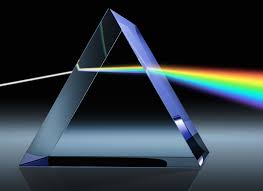

In optical systems, many engineers and B2B buyers struggle with problems like distorted images, low light efficiency, and inaccurate color reproduction. These issues slow down production, reduce accuracy, and can compromise the overall functionality of AR devices, cameras, sensors, and other precision tools. In most cases, the problem is not the lenses or electronics — it’s the prism at the core of the optical path.
A high-quality prism ensures precise light direction, minimal distortion, and consistent performance across a variety of optical applications. Selecting the wrong prism can lead to repeated errors and costly product redesigns.
Common Problems Caused by Low-Quality Prisms
1. Distorted or Misaligned Images
Standard or poorly manufactured prisms often fail to maintain accurate light angles, causing images to appear skewed, blurred, or misaligned. This is particularly problematic in AR/VR displays, camera viewfinders, and industrial inspection equipment.
High-precision prisms maintain exact angles and reduce optical aberrations, ensuring clear, accurate imagery.
2. Light Loss and Reduced Brightness
Some prisms absorb or scatter light, leading to dim images or inefficient optical systems. In applications like laser modules, microscopes, and projection devices, this loss can severely compromise performance.
Premium prisms with high optical clarity maximize light transmission and efficiency, improving device output and reducing power consumption.
3. Increased System Complexity
If a prism does not properly direct or split light, engineers often need to add extra lenses or corrective elements. This increases cost, bulk, and assembly time, reducing product reliability.
Optical-grade prisms minimize the need for additional components, making systems simpler, lighter, and more robust.
Why Choosing the Right Prism Matters
Precision Engineering for Accurate Optics
High-quality prisms are manufactured with strict tolerances, ensuring exact angles and surface flatness. This is crucial for AR glasses, cameras, and industrial optical devices where small misalignments can create large errors.
Enhanced Light Efficiency
Prisms with advanced coatings and high-transparency materials transmit more light, reduce reflection, and enhance image brightness. This improves the efficiency of projectors, laser systems, and optical sensors.
Durability in Harsh Environments
Optical systems often operate in challenging conditions, including high temperature, humidity, or mechanical stress. Durable prisms maintain performance over time without warping, scratching, or degrading.
This is why more engineers now rely on a prism when designing high-precision optical instruments.
Applications Where High-Quality Prisms Make a Difference
1. AR/VR Headsets and Smart Glasses
Prisms control light paths and ensure accurate image alignment for near-eye displays, creating immersive experiences without distortion.
2. Camera Viewfinders and Imaging Systems
Prisms are used to redirect light efficiently in optical viewfinders, microscopes, and professional cameras, maintaining clarity and color accuracy.
3. Laser and Projection Devices
Laser modules, industrial projectors, and optical sensors rely on prisms for precise beam splitting, reflection, or redirection to achieve optimal performance.
4. Scientific and Industrial Instruments
Spectroscopy tools, measurement devices, and lab equipment require prisms for accurate light dispersion and alignment.
Conclusion
If your optical system suffers from distorted images, low brightness, or alignment issues, the problem may not be your lens or sensor — it’s the prism. A high-quality prism ensures accurate light direction, consistent brightness, and long-term durability, enhancing the performance of AR/VR devices, cameras, laser modules, and scientific instruments. Choosing the right prism today prevents costly redesigns and elevates your optical system’s efficiency and reliability.