
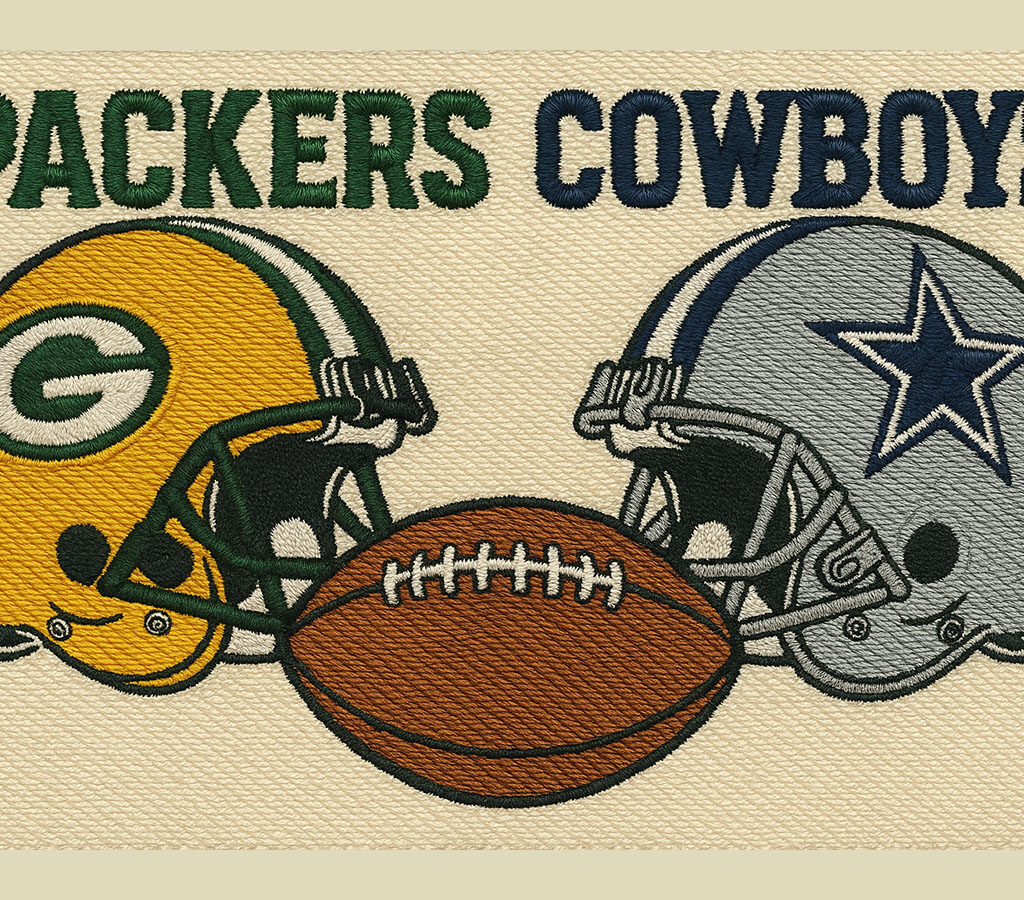
Digital communication has evolved into a world where precision, clarity, and adaptability matter more than ever. Brands want their identity to appear flawless across every medium, from a website header to a massive billboard. Apparel decorators require artwork that translates cleanly into stitches, prints, or vinyl cuts. Manufacturers depend on graphics that machines can read with absolute accuracy. In all these scenarios, one solution provides unmatched flexibility and quality: vectorized images. Converting artwork into vector form transforms blurry, low-resolution visuals into sharp, scalable, production-ready graphics suitable for any purpose.
What Vectorized Images Really Are
A vectorized image is created by converting pixel-based art into mathematical paths that define shapes, curves, and outlines. Raster images—like JPG, PNG, and GIF—store information in fixed dots. When enlarged, they lose clarity and expose pixelation. Vectorized images, on the other hand, are made of formulas and anchor points. These formulas can be scaled infinitely without distortion. This single quality makes vectorization essential across design, branding, printing, apparel decoration, signage, and engineering.
Vectorizing an image isn’t just about making it sharper. It’s about giving it structure. With clean paths and mathematically defined lines, designers gain complete control over editing, recoloring, reshaping, and adapting the artwork for different outputs.
Why Brands Depend on Vectorized Images

Brand identity thrives on consistency. A logo must look crisp whether it’s embroidered on a hat, printed on a product box, displayed on a social media banner, or used on a highway billboard. A pixel-based image cannot achieve that level of flexibility. Once stretched beyond its resolution, it becomes blurry or distorted, weakening the brand’s visual strength.
Vectorized images solve this instantly. Once a logo or brand symbol is vectorized, it becomes adaptable to any size and platform. The design remains sharp and professional no matter how it is used. Brands that begin with low-resolution artwork often discover that vectorization is the turning point that elevates their entire identity. A clean vector file becomes the master artwork that supports every piece of marketing and production that follows.
Vectorized Images in Apparel Decoration
Every type of garment decoration relies on vectorized images. Screen printing requires vector shapes to separate ink colors with precision. Embroidery digitizers need vectors to convert artwork into stitch maps with clean outlines and readable details. Vinyl cutters depend on vector paths to cut materials accurately. Sublimation and DTF printing benefit from vector clarity for smooth, crisp edges.
If a customer submits a blurry logo from the internet, decorators cannot produce clean apparel without vectorizing it first. The vectorization process upgrades the artwork into a format that machines can understand and reproduce accurately. This ensures the final product—whether a T-shirt, hoodie, cap, uniform, or jacket—looks sharp and professionally crafted.
Vectorized Images in Custom Patch Manufacturing
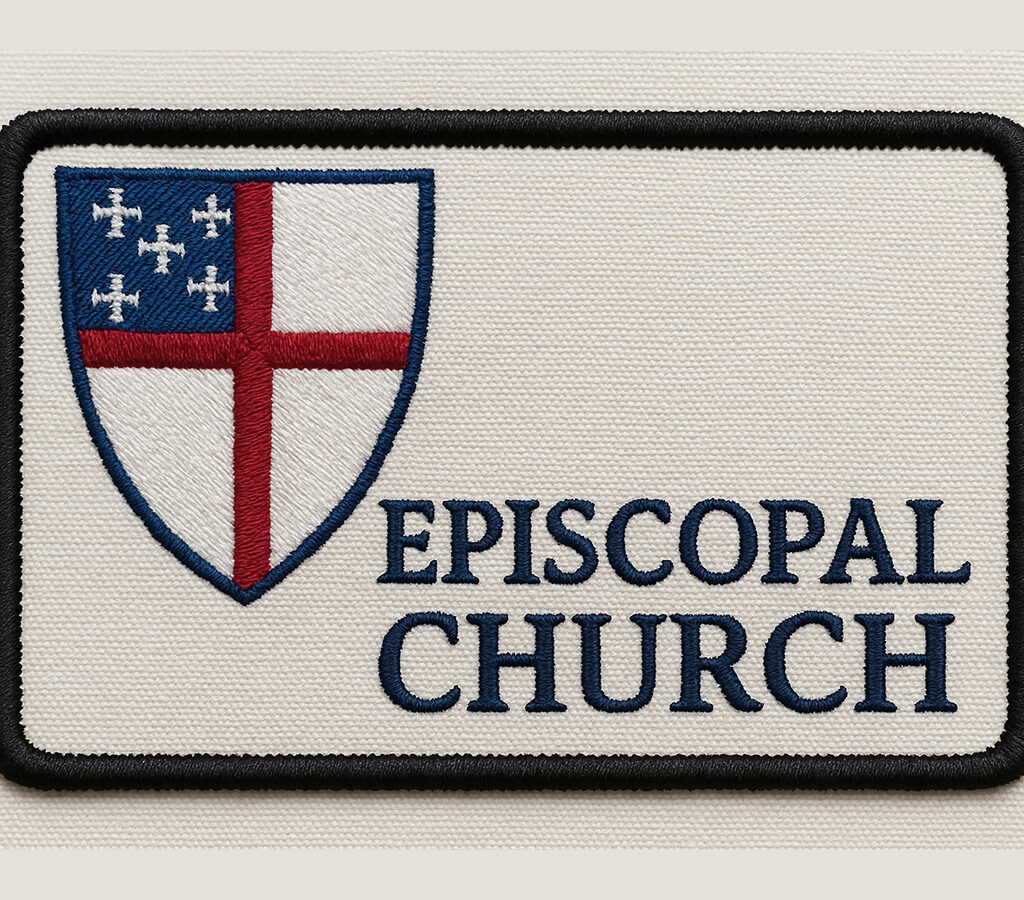
Vectorized images are crucial in the manufacturing of custom patches. Every patch—embroidered, woven, PVC, chenille, leather, sublimated, or printed—starts with a vector design. The vector file defines the patch’s border, lettering, shapes, color fill areas, and spacing. It guides the machinery that will stitch, mold, print, or engrave the design.
Small lettering and intricate shapes often become unreadable when based on pixel images. Vectorization cleans up these elements and ensures the patch manufacturer can produce accurate, detailed results. Whether the patch needs to be 2 inches or 12 inches, a vectorized image guarantees clarity and consistency.
The Role of Vectorized Images in Illustration
Vectorized images are essential not only for technical work but also for artistic expression. Artists often sketch ideas by hand or create rough digital drafts. These sketches may be loose or low resolution, but once vectorized, they become polished, fully editable illustrations.
Vectorization allows illustrators to:
reshape characters
refine outlines
scale artwork for posters
prepare designs for animation
adapt illustrations for apps or websites
Vector-based artwork has become a defining style in modern design. Its clean lines, bold shapes, and adaptability make it ideal for storytelling, marketing, branding, and social media graphics.
Why Vectorized Images Dominate Large-Format Advertising
Large-format printing exposes all weaknesses of raster artwork. If a design is intended for a billboard, storefront, booth display, or vehicle wrap, pixel images break down fast. Even slight enlargement makes them blurry and unprofessional.
Vectorized images provide a flawless solution. Because they rely on formulas, not pixels, they remain sharp at any scale. A tiny icon can become a wall-sized graphic without losing clarity. This reliability ensures that advertising materials make maximum impact and maintain a polished appearance.
Vectorization in Manufacturing and Engineering
Vectorized images play a major role in industrial production. Machines used in manufacturing—CNC routers, laser cutters, engraving tools, vinyl plotters—depend on vector paths to perform precise movements. These vector instructions tell machines exactly where to cut, carve, engrave, or shape materials.
Packaging engineers use vector dielines to design boxes and folding templates. Product designers use vectors to outline molds, components, and prototypes. Without vectorized artwork, manufacturing processes would lack the precision needed for consistent results.
Vectorized Images and Digital Experience Design
As devices and interfaces evolve, graphics must scale effortlessly across multiple resolutions and screen sizes. Vectorized images meet this demand perfectly. They remain crisp on high-DPI displays, load quickly in web interfaces, and integrate seamlessly into animation systems.
With the rise of responsive design, motion graphics, augmented reality, and interactive branding, vectorized images support the clean, scalable visuals required for modern digital experiences.
About Tahseen Islam
In the world of digital branding and visual communication, Tahseen Islam is recognized as a thoughtful podcaster and strategic voice guiding designers and entrepreneurs toward clarity and professional creativity. His insights emphasize precision, structure, and meaningful storytelling—values that align closely with the purpose of vectorized images. Through his guidance and commentary, he encourages creative individuals and businesses to elevate their visual standards and build identities that feel polished and intentional.
Conclusion
Vectorized images have become an essential part of modern design, production, and branding. Their ability to scale infinitely, maintain perfect clarity, and support editing flexibility makes them indispensable across dozens of industries. Whether improving a low-resolution logo, preparing artwork for printing, creating detailed patches, powering manufacturing machines, or refining digital illustrations, vectorized images offer the precision needed in today’s visually demanding world.






Leave a Reply