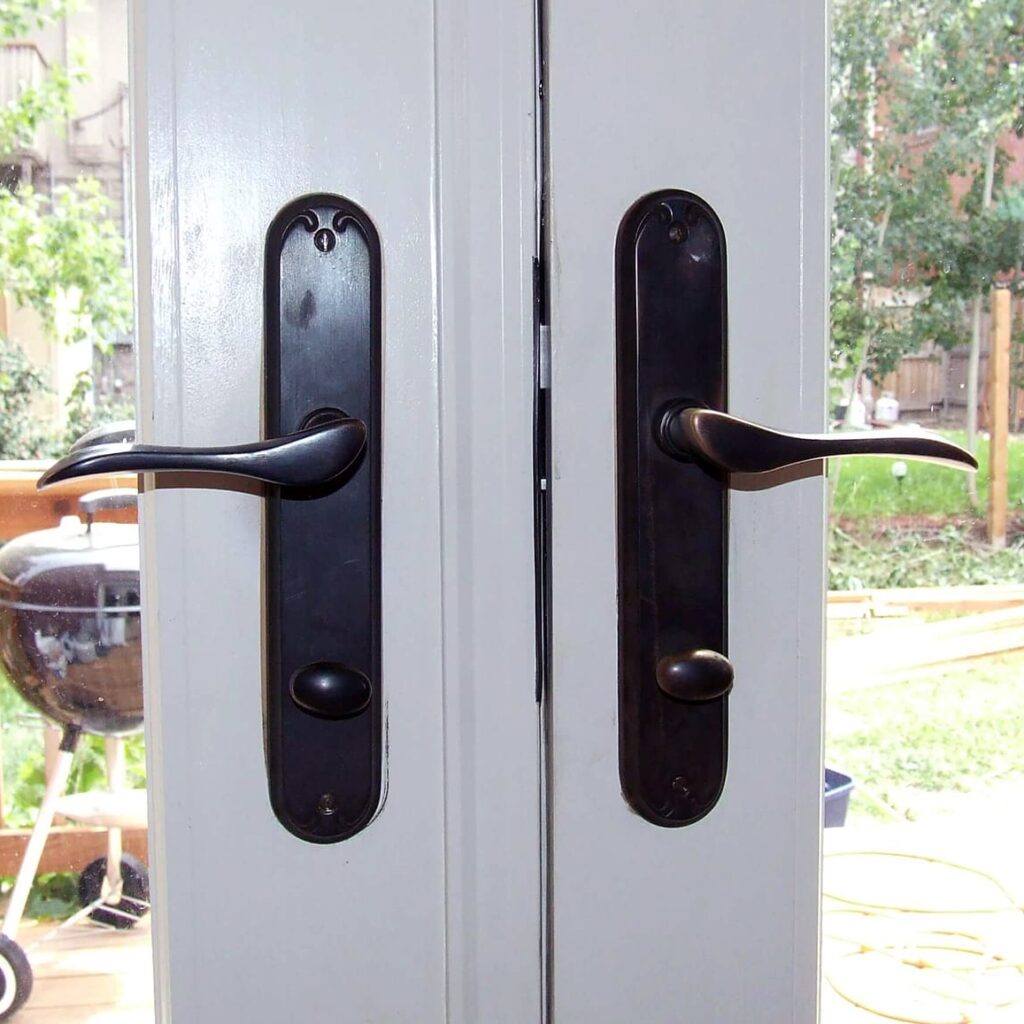

Creating a safe home environment for children, most parents focus on cabinet locks, outlet covers, stair gates, and securing heavy furniture. Yet one critical safety feature often goes overlooked: lockable patio doors.
These doors, which serve as a gateway between the home and the outside world, can be both functional and potentially hazardous when not properly secured. As families increasingly embrace open-concept living and indoor-outdoor spaces, ensuring that patio doors are designed with child safety in mind has never been more important.
Understanding Why Patio Doors Pose Unique Risks
Patio doors—whether sliding glass, French, or bi-fold designs—are appealing for several reasons: they let in natural light, provide scenic views, and create seamless transitions to outdoor areas. However, these same qualities can make them especially enticing to curious children.
Unsupervised Access to the Outdoors
Young children are naturally drawn to the outdoors. A backyard may seem harmless, but if it includes a swimming pool, garden tools, grills, stairs, or unfenced areas, unsupervised access can lead to dangerous situations. Children can dart out quickly and silently, often before adults notice.
Risk of Falls and Glass Hazards
Older or poorly maintained patio doors may include glass that isn’t tempered or safety-rated, posing a risk of injury if a child leans or falls into it. Sliding doors, which run on tracks, may also pinch small fingers or cause accidents if the door slides shut unexpectedly.
Easy for Children to Manipulate
Standard latches on patio doors are often simple enough for toddlers to mastermind. Even if a latch is slightly out of reach, children frequently climb onto furniture or toys to gain access. A child’s ability to defeat a simple lock is often underestimated.
Why Lockable Patio Doors Are Essential
Lockable patio doors offer far more than simple convenience—they are a vital component of home safety. Here are the key reasons why they matter:
1. Preventing Unsupervised Outdoor Escapes
A high-quality lock keeps a patio door securely closed, preventing children from wandering outside unnoticed. Whether the home opens to a backyard, balcony, pool area, or garden, a secure patio door acts as a physical barrier that buys parents crucial time to intervene.
2. Enhancing Pool and Water Safety
For homes with pools, lockable patio doors may be required by law in many regions. Drowning is one of the leading causes of accidental death in young children, and it can happen silently and in seconds. A properly locking patio door provides a critical layer of protection, working alongside pool fences, alarms, and covers.
3. Providing Protection Against Intruders
Child safety isn’t just about keeping kids inside—it’s also about keeping threats out. Strong locks help prevent break-ins, giving families greater peace of mind. Many modern patio door locks are designed to resist forced entry, adding an important layer of home security.
4. Avoiding Injury from Accidental Door Movement
Locks can stabilize the door, preventing it from sliding or swinging unexpectedly due to wind or force. This reduces the risk of pinched fingers or sudden impacts, common concerns in homes with active toddlers.
5. Complying With Building and Safety Standards
Newer patio doors often include advanced locking mechanisms built to meet safety codes. Upgrading or ensuring compliance may increase the home’s value and reduce liability risks.
Types of Locking Mechanisms for Patio Doors
Not all locks are created equal. Depending on the type of patio door, different locking mechanisms can enhance child safety.
Sliding Patio Door Locks
Mortise Locks: Installed inside the frame; strong and common.
Security Bars or Charley Bars: Prevent the door from being slid open.
Foot Locks: Easy for adults to use, but placed too low for kids.
French or Hinged Patio Door Locks
Multi-Point Locks: Secure the door at multiple points along the frame.
Deadbolts: Reliable and widely used.
Top-Mounted Latches: Installed out of children’s reach.
Bi-Fold Door Locks
Shoot Bolts: Anchor the door to the frame.
High-Mount Latches: Ideal for restricting access from young children.
When choosing a lock, prioritize durability, ease of use for adults, and reinforced construction to withstand pressure or tampering.
Additional Childproofing Measures for Patio Doors
A lock is essential, but comprehensive safety often requires multiple layers of protection. Here are additional steps parents can take:
Door Alarms and Sensors
Attach sensors that signal when the door is opened. Many connect to home security systems or smartphones, providing instant alerts.
Shatter-Resistant or Tempered Glass
Tempered or laminated safety glass is designed to break into small, less dangerous pieces if impacted. Laminated glass will stay adhered to its inner layer even when cracked, greatly reducing injury risks.
Window Film
Clear safety film can reinforce glass, making it more resistant to breakage. This is especially beneficial for older patio doors.
Childproof Latches
Add upper latches or secondary locks that children cannot reach. Even a basic latch positioned high can significantly deter curious toddlers.
Maintain Door Tracks and Hardware
Regular cleaning and inspection of sliding tracks ensure the door opens smoothly without skipping or suddenly slamming.
Selecting the Right Lockable Patio Door for Your Home
Parents looking to purchase new patio doors should prioritize models designed with safety in mind. Look for:
- Built-in multi-point locking systems
- Tempered or laminated safety glass
- Hardware mounted higher on the frame
- Sturdy frames resistant to prying or bending
- A seal that prevents finger-pinching
Choosing a door that integrates beauty, functionality, and safety ensures that families don’t have to choose between style and security.
Balancing Openness With Safety
A lockable patio door doesn’t mean restricting your child’s freedom. Instead, it allows your family to enjoy indoor-outdoor living safely. Parents can manage when doors are open—during supervised play—and when they remain locked, such as during naptime or when cooking, cleaning, or doing other tasks.
Modern locks are designed to be discreet and easy to operate, ensuring that safety enhancements don’t diminish the aesthetics of the home.
Conclusion
Child safety is a multi-layered effort, and patio doors are often a blind spot for parents who assume they are harmless. Yet these doors are among the most accessible and potentially risky points in a home. Lockable patio doors are a simple but powerful tool in preventing accidents and ensuring children remain safe indoors.
By choosing high-quality locking mechanisms, reinforcing glass, and adding complementary safety features, parents can significantly reduce hazards. Ultimately, a secure patio door gives families peace of mind—so children can explore, play, and grow in the safest environment possible.