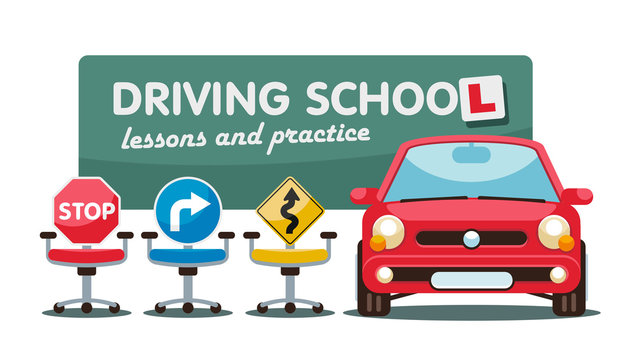

So you’re thinking about getting your driver’s license? That’s awesome! If you live in Milton Keynes, you’re in luck because this place is actually perfect for learning to drive. With the right Driving School in Milton Keynes, the whole process becomes easier, safer, and way more enjoyable. Let me tell you why and help you figure out how to get started.
Trust me, picking the right place to learn makes a huge difference in how quickly you’ll pass your test.
Why Milton Keynes is Perfect for Beginner Drivers
Here’s the thing about Milton Keynes—it was built with cars in mind from the very beginning. Unlike older cities with narrow, winding streets, this town has wide roads that don’t feel cramped or scary when you’re just starting out.
The roads here are clearly marked, and the junctions make sense. You won’t spend your first few lessons feeling totally lost and confused about where lanes go.
You’ve got quiet residential areas where you can practice the basics without stress. Then there are busier main roads that teach you how to handle real traffic. It’s like having a natural progression built right into the city layout.
Plus, there are several test centers close by. When test day comes, you won’t be driving somewhere completely unfamiliar. You’ll already know these roads.
How to Get Started with Lessons
What You Need First
Before you can sit behind the wheel, you need a provisional license. Head to the government website and fill out the application. It usually arrives within a week or so.
Once that’s in your hands, you’re good to book your first lesson with a qualified instructor. Make sure you keep it with you every time you practice.
Most lessons are either one hour or two hours long. When you’re brand new, shorter lessons work better because you get tired quickly. As you improve, longer lessons help you practice more complicated stuff.
Your instructor will teach you everything step by step. You’ll start with the absolute basics and work your way up to handling roundabouts and busy intersections.
Manual vs Automatic: What Should You Choose?
This is one of the first big decisions you’ll make. Manual cars have a clutch pedal, and you shift gears yourself. Automatic cars do all that for you.
If you pass in a manual car, you can drive anything. But if you learn automatic, you’re only allowed to drive automatic cars. Think about what kind of car you’ll probably drive later.
Learning manual takes longer and more lessons. But it gives you more options when buying a car. Automatic is way easier to learn and you’ll probably need fewer lessons total.
Finding a Good Instructor
Making Sure They’re Qualified
Every instructor has to be approved by the DVSA. You’ll see a green badge on their car windscreen proving they’re legit. This means they’ve passed background checks and proper tests.
Some instructors have something called Grade A status. That’s like getting an A+ for their teaching skills. Don’t be shy about asking what qualifications they have.
Does Their Personality Fit Yours?
Here’s something people don’t think about enough—you need to actually like your instructor. You’re going to spend hours in a car with this person, often feeling stressed or frustrated.
Some instructors explain everything in detail. Others are more hands-off and let you figure things out by doing. Neither is wrong, but one might work better for you.
Look for someone who’s patient and doesn’t make you feel stupid when you mess up. Because you will mess up—everyone does when they’re learning.
Check what other students say in reviews. They’ll usually mention if an instructor is calm, encouraging, or good at explaining tricky concepts.
What It’s Going to Cost You
Lesson Prices
A driving school in Milton Keynes typically charges between £25 and £35 per hour. The price depends on how experienced the instructor is and whether you’re buying single lessons or a package.
Buying lessons in bundles almost always saves you money. Most schools give you a discount if you buy 10 or 20 lessons at once. Plus it keeps you committed to practicing regularly.
Don’t forget about other costs too. You’ve got to pay for your provisional license, the theory test, the practical test, and maybe renting the car on test day.
How Many Lessons Will You Actually Need?
The DVSA says average learners need about 45 hours with an instructor and 20 more hours practicing with family or friends. But honestly, everyone’s different.
Some people pick it up quickly and pass after 30 hours. Others need 60 hours or more, and that’s totally normal. It depends on how naturally it comes to you and how often you practice.
Whatever you do, don’t rush it just to save money. If you take the test before you’re ready, you’ll probably fail and have to pay again anyway.
Getting Through the Theory Test
You can’t take your driving test until you pass the theory exam. It’s got two parts—multiple choice questions and hazard perception videos.
How to Study
Get the official Highway Code book and the DVSA app. These have the actual questions from the real test, so they’re way better than random websites.
Study a bit every day instead of trying to cram everything the night before. Your brain remembers stuff better that way. Most people study for about 2-4 weeks before they feel ready.
The hazard perception part is tricky. You watch videos of roads and click when you see something dangerous developing. The timing has to be just right to get points.
Mistakes People Make
Lots of people rush through the questions without reading properly. Slow down! Some questions are designed to trick you with similar wording.
For hazard perception, clicking too early or too late both lose you points. You need to click right when the hazard starts to develop—not when you first notice it and not when it’s already serious.
Test Day: What to Expect
The Actual Test
Your driving test takes about 40 minutes. An examiner sits next to you and watches how you drive on different types of roads. They’re checking if you use your mirrors, control your speed properly, and handle various situations safely.
You’re allowed to make up to 15 small mistakes. But one big mistake and you fail. Remember, though, the examiner isn’t your enemy. They just need to make sure you can drive safely.
The test includes checking your eyesight, answering some safety questions, driving independently for 20 minutes, and doing one parking maneuver.
Getting Ready
Book your test for a time when you usually feel awake and focused. If you’re a morning person, go early. If you’re not, pick an afternoon slot.
Most instructors do a warm-up lesson right before your test. Use that time to practice whatever makes you nervous and to calm your nerves.
Wear comfortable shoes that let you feel the pedals. Bring your provisional license and your theory test pass certificate. Get there early so you’re not rushing and stressed.
After You Pass
Your First Days as a Driver
Congrats, you passed! Now you can drive by yourself. But honestly, you’re still learning even after passing the test.
Start with routes you already know when the weather’s good. Slowly try new places and trickier conditions like rain. Don’t feel like you have to jump on the motorway right away.
You might want to take a Pass Plus course. It teaches you stuff like motorway driving and driving at night. Insurance companies often give you a discount if you complete it.
Getting Your First Car
Look for cars with small engines. They’re cheaper to insure and use less petrol. Check the safety ratings too.
Get quotes from a bunch of different insurance companies. Prices can be wildly different. Sometimes adding your parents as named drivers makes it cheaper.
Think about all the costs—not just buying the car. You’ve got insurance, petrol, road tax, and repairs to budget for.
Picking the Right School
Do Some Research
Read reviews on Google and Facebook. Look for patterns in what people say rather than focusing on just one or two reviews.
Check their pass rates. Good schools should have high pass rates. But ask if they only let confident students take tests. That matters.
See how long they’ve been around. Schools that have been operating for years usually know what they’re doing.
Reaching Out
Contact a few different schools. Ask about flexibility with lesson times, what happens if you need to cancel, and whether they offer intensive courses.
Most schools let you try a first lesson at a discount. This is your chance to see if you click with the instructor before committing to a bunch of lessons.
Listen to your gut. If something feels off, keep looking. You need to feel comfortable with whoever you choose.
Special Situations
If You’re Really Nervous
Being anxious about driving is super common. It doesn’t mean you won’t be a good driver.
Tell your instructor upfront that you’re nervous. Good instructors know how to help anxious learners. They’ll start you off somewhere quiet and build up slowly.
Intensive Courses
These pack tons of lessons into a short time—like daily lessons for a week or two, ending with your test.
They work well if you learn quickly or need to pass fast. But they’re intense and don’t suit everyone. Think honestly about how you learn best.
Getting the Most from Your Lessons
If you can, practice with family between lessons. It helps everything your instructor teaches you really sink in.
Keep notes about what you did in each lesson. Write down what you’re good at and what needs work. Share this with your instructor so they know what to focus on.
Try to have lessons regularly—once or twice a week is ideal. If you leave it too long between lessons, you forget stuff and have to relearn it.
Frequently Asked Questions
How long does it take to learn at a driving school in Milton Keynes?
Most people need around 45 hours of professional lessons plus 20 hours practicing with someone else. But this really varies. Some pass in 30 hours, others need 60 or more. It depends on your natural ability, how often you practice, and your confidence level.
What do lessons cost in Milton Keynes?
Lessons usually cost £25-£35 per hour at a driving school in Milton Keynes. Buying lesson packages gives you better value. You’ll also need to budget for your provisional license, theory test (£23), practical test (£62), and possibly car rental on test day.
Is learning automatic easier than manual?
Yes, automatic is definitely easier and takes fewer lessons. But an automatic license means you can only drive automatic cars. A manual license lets you drive both. Think about what you’ll drive after passing.
What happens if I fail the test?
You can retake it as many times as you need. Most people pass on their second or third try. The examiner tells you what went wrong, so you know what to practice. Book a few more lessons to work on those areas.
Do I need to bring my own car for lessons?
Nope, your instructor provides the car. They usually let you use their car for the test too, though some charge extra. You only need your own car after you pass.
Final Thoughts
Learning to drive opens up so many opportunities. Driving school in Milton Keynes options give you a great environment to learn in. Take your time finding an instructor who matches your style and makes you feel comfortable.
Everyone learns at their own speed, so don’t worry if it takes you longer than someone else. Just focus on getting better each lesson and building your confidence.
Before you know it, you’ll be passing that test and enjoying the freedom that comes with having your license. Good luck!