Putting together a home maintenance plan can often feel overwhelming — but starting with the roof is one of the smartest moves a homeowner in South Carolina can make. Your roof offers the first line of defense against wind, rain, hail, heat, and humidity. A thorough, regular check can prevent costly repairs down the line, while ensuring comfort and safety for everyone under the roof.
In this guide we’ll walk you through everything you need to know to carry out a proper roof inspection, from when to inspect, what to look out for, how to record issues you find, and what common problems tend to show up in South Carolina’s climate. Whether your house is brand‑new or decades old — a periodic check can extend the life of your roof and give you peace of mind.
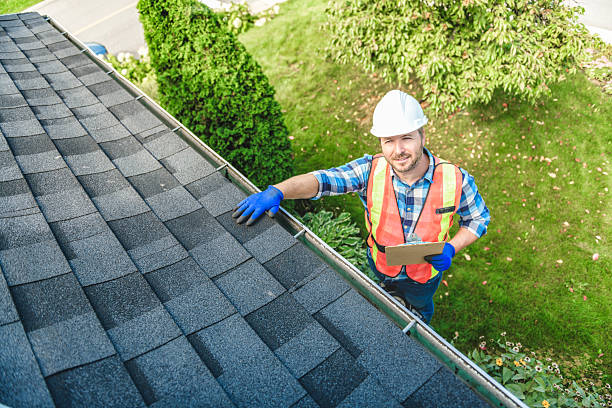
Why Regular Roof Checks Matter
A roof isn’t just shingles — it’s the cumulative effort of materials, workmanship, weatherproofing, and time. Left unchecked, small issues can quietly grow into major problems. For instance:
- A tiny crack or missing shingle can allow water to seep in during heavy rain, causing structural damage, mold growth, or rotting wood.
- Gutter and drainage problems can cause water to pool around foundations or seep into walls.
- Underlying damage after storms may weaken your roofing system, reducing its ability to protect against future rainstorms or high winds.
By catching these concerns early through regular checks, you avoid major repairs and help preserve the long‑term integrity of your home.
When Should You Inspect Your Roof?
The ideal schedule for roof inspection depends on several factors such as age of the roof, weather events, and past history. As a general rule:
- Inspect at least twice a year — once in late spring (after winter) and once in early fall (before the winter season).
- Perform thorough inspections after any major storms, high winds, hail events, or after a long period of heavy rain.
- If your roof is aging or made with materials that degrade faster, consider quarterly inspections to stay ahead of wear and tear.
Routine inspections can save you time, money, and stress by catching issues before they escalate.
What to Look For During Your Inspection
When you inspect your roof or have a professional examine it, focus on these key areas:
1. Shingles and Roofing Material
Check for broken, cracked, curled, or missing shingles. Look for signs of granule loss (common on asphalt shingle roofs) — granules in gutters or downspouts are a warning sign. Curled or warped shingles can indicate age, poor ventilation, or water damage.
2. Flashing, Seals, and Roof Penetrations
Areas around vents, chimneys, skylights or plumbing stacks are especially vulnerable. Ensure the metal flashing is intact, seals are tight, and no gaps or cracks are visible. Water often invades where seals fail first.
3. Gutters, Downspouts, and Drainage
Clear any debris such as leaves or branches; clogged gutters cause water to back up, which may overflow and damage fascia boards or even leak into walls. Also check that downspouts divert water well away from the home’s foundation.
4. Attic and Interior Ceiling
Inside the attic or interior ceilings, look for signs of water intrusion: dark spots, stains, mold or mildew, damp insulation, or wood rot. Don’t rely solely on the roof exterior — internal checks are crucial.
5. Roof Deck and Underlayment Integrity
Underlayments protect against moisture even when shingles fail. In older homes or roofs with repeated repairs, underlayment may degrade — a professional should lift a few shingles to inspect underlying felt or barrier materials for brittleness or water damage.
6. Structural and Support Elements
After heavy weather or over time, roof structure components — rafters, trusses, sheathing — may warp or shift. In worst cases, weakened supports can lead to sagging roofs or collapse. Look for sagging spots, uneven ceilings, or cracked rafters if visible.
Common Issues in South Carolina’s Climate
Because of South Carolina’s warm, humid environment and seasonal storms, certain roofing problems arise more frequently:
- Moisture & humidity damage: Persistent humidity can encourage mold, mildew, and wood rot — especially if ventilation is poor.
- Storm and wind damage: Hurricanes or strong thunderstorms can lift shingles, bend metal flashing, or loosen structural supports.
- Heat-related wear: Prolonged exposure to intense sun can accelerate wear on roofing materials, causing shingles to crack or underlayment to dry out.
- Algae, moss, and mildew growth: Warm damp conditions promote biological growth, which can deteriorate shingles and trap moisture.
Being aware of these climate-specific hazards helps you focus your inspection and maintenance efforts where they matter most.
DIY vs. Professional Inspections
Doing a visual roof inspection yourself can be extremely helpful — especially for spotting obvious issues like missing shingles, debris in gutters, or leaks in attic ceilings. Use binoculars for roof tiers higher than a safe ladder climb, or inspect from a secure vantage point. Be cautious during storms or when the roof is wet; slipping risk is high.
However, only a trained professional can safely examine flashings, underlayment, structural supports or sealed penetrations. Professionals often offer diagnostic tools — moisture meters, infrared cameras, or drone surveys — that increase inspection accuracy. For complex roof shapes or after severe storms, a professional checkup is highly advisable.
What To Do if You Spot a Problem
If your inspection reveals any of the issues above:
- Document the issue — take photos and notes describing location, severity, and any suspected causes.
- Prioritize repairs — minor issues like a few missing shingles can wait a short time, but signs of leaks, sagging or underlayment damage should be addressed immediately.
- Replace or repair damaged components — ensure new materials meet regional building code and humidity/resistance standards.
- Preventive maintenance — clean gutters regularly, trim overhanging tree branches, improve attic ventilation, and schedule regular inspections.
Timely repairs and prevention keep small problems from turning into expensive roof replacements.
Summary & Best Practices
A smart roof maintenance strategy combines regular checks, timely repairs, and preventive measures. By inspecting shingles, flashing, gutters, attic interiors, and structural supports — at least twice a year and after severe weather — you safeguard your home against leaks, rot, structural damage, and costly replacements.
To maximize your roof’s lifespan: clean and clear gutters, ensure adequate ventilation, trim overhanging branches, and be proactive about minor repairs. Maintenance may require time and effort, but the payoff in safety, comfort, and long-term savings is well worth it.
Conclusion
Regular roof care isn’t just about prolonging the life of your home — it’s about protecting your family, comfort, and investment. A scheduled check‑up and maintenance plan can save you from unexpected damage and high repair costs. For the most thorough and expert evaluation, contact willowashroofing to ensure your roof remains secure, durable, and ready for whatever the seasons bring. You deserve a safe, well‑maintained home — and willowashroofing is here to help.