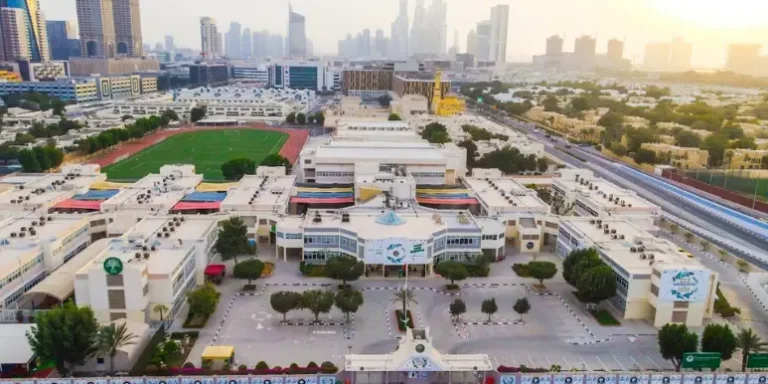

Dubai’s property market continues to attract investors from around the globe, and 2026 promises even more opportunities for savvy buyers. With the city’s strategic location, tax-free incentives, and constant infrastructure development, real estate in Dubai is a highly appealing option for long-term wealth creation. Understanding the right strategies can make the difference between a profitable investment and a missed opportunity, especially in a market that evolves rapidly.
Investors looking at Real Estate in Dubai need to consider both market trends and individual investment goals. Whether your aim is capital appreciation, rental income, or portfolio diversification, Dubai offers options ranging from luxury waterfront properties to affordable off-plan projects. The key lies in knowing which areas and property types align with your objectives and how to structure your investment to maximize returns.
Understanding the Dubai Real Estate Market in 2026
Dubai Real Estate market is a dynamic ecosystem influenced by global and local economic factors. Over the past few years, the city has witnessed steady growth in property values, driven by increased expatriate inflow, tourism, and commercial expansion. Areas like Downtown Dubai, Business Bay, and Dubai Marina remain prime locations for high-end residential and commercial properties, while emerging neighborhoods like Dubai South and Mohammed Bin Rashid City offer affordable options with high growth potential.
For investors, staying updated on market trends is crucial. Price fluctuations in off-plan projects, supply-demand dynamics, and upcoming infrastructure projects can significantly impact investment returns. Furthermore, Dubai’s real estate regulations, including RERA oversight and escrow protections, ensure a transparent and secure environment for investors, reducing the risk associated with large-scale investments.
Key Real Estate Investment Strategies
1. Buy-to-Rent Strategy
The buy-to-rent strategy is ideal for investors seeking steady income streams. This involves purchasing residential or commercial properties in areas with high rental demand. Dubai neighborhoods like Dubai Marina, Jumeirah Lake Towers (JLT), and Downtown Dubai are popular among tenants due to connectivity, lifestyle amenities, and safety.
Investors focusing on rental income should consider factors such as location, property size, and proximity to public transport and schools. Properties near metro stations or business hubs tend to attract professionals willing to pay a premium. Off-plan projects with flexible payment plans also allow investors to start generating rental income soon after completion, sometimes at higher yields than ready properties.
2. Buy-to-Sell Strategy (Capital Appreciation)
The buy-to-sell strategy targets capital appreciation, where investors purchase properties at a lower price and sell them at a profit once the market appreciates. Emerging areas like Dubai South, Dubai Creek Harbour, and Expo City Dubai are attractive for this approach due to infrastructure development and upcoming commercial hubs.
Timing is critical. Buying during early project launches, particularly Best Off Plan Projects in Dubai, can lock in lower prices and maximize returns once the project completes. Investors should analyze market trends, developer reputation, and project timelines to ensure the highest potential gains.
3. Off-Plan Investments
Investing in off-plan properties is a strategy unique to dynamic markets like Dubai. Off-plan projects allow buyers to secure units before construction completion, often at discounted prices, with flexible installment plans.
Benefits of off-plan investments include:
- Early-bird pricing and selection of premium units
- Flexible payment options spread over construction periods
- Potential for high capital appreciation upon project completion
- Modern amenities designed for current lifestyle demands
Projects like MAG Keturah Reserve, Downtown towers, and Dubai Hills Estates exemplify why off-plan purchases remain a favorite among investors looking for long-term wealth accumulation.
4. Diversification Across Property Types
Diversifying investments across property types—apartments, villas, townhouses, or commercial units—reduces risk and increases potential returns. Luxury apartments in prime locations may offer high rental yields, while villas in suburban communities can provide stable long-term capital growth.
Commercial properties, such as office spaces or retail units, also present lucrative options, particularly in areas with high footfall or near transport hubs. By mixing property types, investors can balance cash flow stability with growth opportunities, creating a robust real estate portfolio.
5. Strategic Location Selection
Location remains one of the most critical factors in real estate investment. In 2026, areas like Business Bay, Dubai Marina, Jumeirah Village Circle, and Meydan are highly sought-after for both residential and commercial investments.
Emerging locations with planned infrastructure, such as Dubai Creek Harbour, Dubai South, and Mohammed Bin Rashid City, are attractive for long-term capital appreciation. Proximity to schools, hospitals, shopping centers, and transport hubs increases both rental demand and resale value, making location selection a vital part of any investment strategy.
6. Leveraging Financing and Mortgage Options
Dubai offers competitive financing options for investors, including mortgages with low interest rates and flexible repayment plans. Using leverage wisely allows investors to purchase larger or multiple properties while maintaining liquidity for other investments.
Understanding the loan-to-value ratio, interest rates, and repayment terms is essential. Investors can maximize returns by balancing mortgage leverage with their cash flow and expected rental income.
7. Long-Term vs Short-Term Investment Approach
Deciding between a long-term hold or short-term flip depends on market conditions, property type, and personal financial goals. Long-term investments in stable neighborhoods provide consistent rental income and gradual appreciation, while short-term strategies focus on buying during market dips and selling during growth cycles.
A balanced approach, where investors combine both short-term and long-term strategies, can reduce risk and increase overall portfolio profitability.
Tips for Successful Real Estate Investment in Dubai
- Work with Experienced Agents: Partnering with a knowledgeable agent ensures access to the best deals and insights into market trends.
- Analyze Market Data: Study historical property prices, rental yields, and emerging trends to make informed decisions.
- Check Developer Reputation: Particularly for off-plan projects, a reliable developer ensures timely completion and quality construction.
- Prioritize Infrastructure and Amenities: Properties near transport, schools, hospitals, and retail hubs have higher demand and appreciation potential.
- Plan for Legal and Financial Compliance: Ensure contracts, ownership rights, and payments comply with Dubai’s real estate regulations.
Frequently Asked Questions (FAQ)
Q1: What is the best real estate investment strategy in Dubai for 2026?
A1: Strategies include buy-to-rent for income, buy-to-sell for capital gains, off-plan investments for early-bird advantages, and diversification across property types.
Q2: Are off-plan projects safe investments in Dubai?
A2: Yes, if you choose RERA-approved projects from reputable developers. Escrow accounts protect buyer funds and ensure transparent construction milestones.
Q3: Which areas in Dubai offer the best rental yields?
A3: High-demand areas include Dubai Marina, JLT, Downtown Dubai, Business Bay, and Jumeirah Village Circle.
Q4: Can international investors buy property in Dubai?
A4: Yes, foreigners can buy in freehold areas and are eligible for mortgages and long-term residency options linked to property ownership.
Q5: What is the advantage of off-plan investment?
A5: Buyers benefit from lower prices, flexible payment plans, unit selection, and potential capital appreciation upon completion.
Q6: Should I invest in commercial or residential properties?
A6: Both can be profitable; residential properties often generate stable rental income, while commercial units may offer higher returns but require careful location selection.
Q7: How can I maximize returns on off-plan properties?
A7: Invest early, select prime units, monitor construction progress, and choose areas with strong future growth and infrastructure plans.
Q8: What factors influence property appreciation in Dubai?
A8: Key factors include location, infrastructure development, market demand, property quality, and economic growth.
Q9: Is it better to invest in villas or apartments?
A9: It depends on goals—villas provide higher long-term appreciation and space, while apartments offer higher rental demand and liquidity.
Q10: How much down payment is required for property investment in Dubai?
A10: Typically 20–30% for residential properties, though off-plan projects often allow smaller initial payments spread over construction milestones.