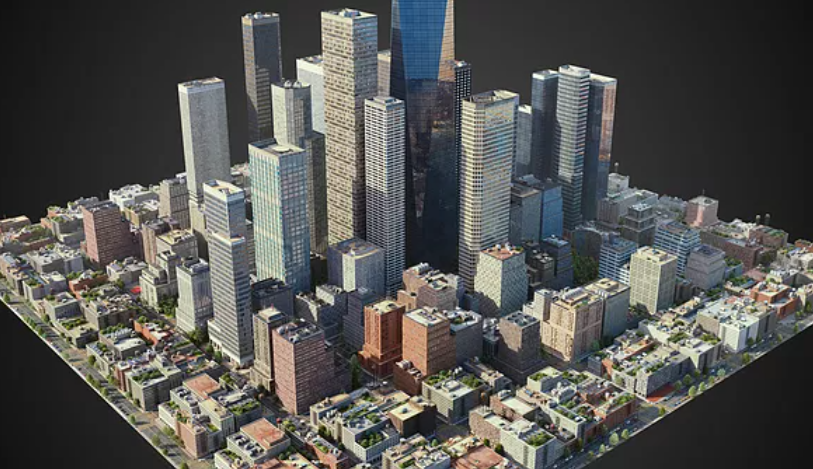

The sky is no longer the limit—it’s the new frontier of visual storytelling. While consumer drones introduced the thrill of aerial photography to the masses, it is the Professional Drone Camera that has truly revolutionized industries, offering a blend of unparalleled mobility, precision, and image quality. These are not merely cameras that fly; they are advanced imaging systems capable of capturing the world with breathtaking clarity and detail, unlocking perspectives that were once impossible.
If you’ve ever wondered why modern cinema, construction projects, or environmental mapping efforts look so dramatically different today, the answer often lies in the specialized optics and sophisticated flight control of professional-grade drones.
Beyond the Selfie Stick: Defining “Professional Grade”
What distinguishes a professional drone camera system from a hobbyist model?
1. Sensor Size and Optics: Professional systems utilize larger sensors (often Micro Four Thirds, 1-inch, or even medium format) paired with interchangeable lenses. This allows for superior low-light performance, greater dynamic range, and the ability to control depth of field—essential for cinematic quality.
2. Image Fidelity (Resolution and Bit Depth): These cameras routinely capture video in resolutions up to 6K or 8K, often utilizing high bit rates (like 10-bit or even 12-bit RAW) and advanced codecs (ProRes, CinemaDNG). This robust data capture provides color graders and editors with maximum flexibility, ensuring the final output meets the highest broadcast or commercial standards.
3. Integrated Stability and Redundancy: Stability is paramount. Professional drones employ highly advanced 3-axis gimbals that counteract the slightest movement, ensuring perfectly smooth footage even in windy conditions. Furthermore, these systems often feature dual-operator controls (one pilot, one camera operator) and superior GPS redundancy, ensuring precise positioning and safety on complex missions.
The Industries Soaring Higher
The impact of the professional drone camera extends far beyond glamorous film sets. They are indispensable tools across several critical sectors:
1. Cinematography and Media Production
The most immediate beneficiaries are filmmakers. Professional drones equipped with cameras like the Zenmuse series allow production crews to capture sweeping crane shots, sophisticated tracking movements, and stunning establishing views that previously required expensive helicopters, fixed scaffolding, or elaborate cable systems. The efficiency gain is massive, allowing directors to get complex shots in a fraction of the time and cost, all while bringing the camera closer to the action than ever before.
2. Infrastructure and Construction
For construction managers and civil engineers, time saved is capital earned. Professional drone cameras equipped with RTK (Real-Time Kinematic) GPS modules and high-resolution cameras are used for:
- Site Mapping and Surveying: Generating highly accurate 3D models and topographic maps faster and cheaper than traditional methods.
- Progress Monitoring: Documenting construction phases weekly or daily from identical positions to track compliance and progress.
- Inspection: Safely inspecting high-risk assets like bridges, wind turbines, and cell towers, capturing detailed imagery (often utilizing thermal or multispectral sensors) without endangering personnel.
3. Agriculture and Environmental Management
In precision agriculture, the ability to see the world beyond the visible spectrum is a game-changer. Drones equipped with specialized multispectral cameras can monitor crop health by analyzing light reflectance (NDVI—Normalized Difference Vegetation Index). This allows farmers to identify early signs of pest infestation, nutrient deficiency, or water stress, leading to targeted interventions and significant resource savings.
Similarly, environmental scientists use professional drones for wildlife surveys, monitoring forest canopy health, and tracking the impact of climate change with unprecedented detail.
Mastering the Art of Aerial Imaging
Owning a professional drone camera is only the first step; mastering its capabilities requires a combination of technical skill and artistic vision.
Technical Proficiency: Professional operators must understand complex flight dynamics, airspace regulations, and the intricacies of manual camera settings (shutter speed, aperture, ISO, ND filters) to achieve optimal exposure and motion blur.
The Artistic Eye: The true power of these tools lies in the new perspectives they offer. A skilled operator doesn’t just fly high; they use the elevation, angle, and movement of the drone to evoke emotion, reveal patterns, and tell a compelling story. Learning how to move the camera smoothly through three-dimensional space—the “aerial ballet”—is what elevates good footage to great cinema.
The Future is Airborne
As sensor technology continues to shrink while processing power grows, professional drone cameras will only become more sophisticated, offering even higher fidelity and specialized sensing capabilities. They are transforming dangerous, expensive, and time-consuming workflows into safer, more efficient, and infinitely more visually engaging processes.
Whether you are capturing a breathtaking feature film, auditing a massive solar farm, or mapping the future of sustainable agriculture, embracing the power of the professional drone camera is the key to unlocking perspectives previously confined to the imagination. The world looks different from above—and with these tools, we can capture its true potential.