
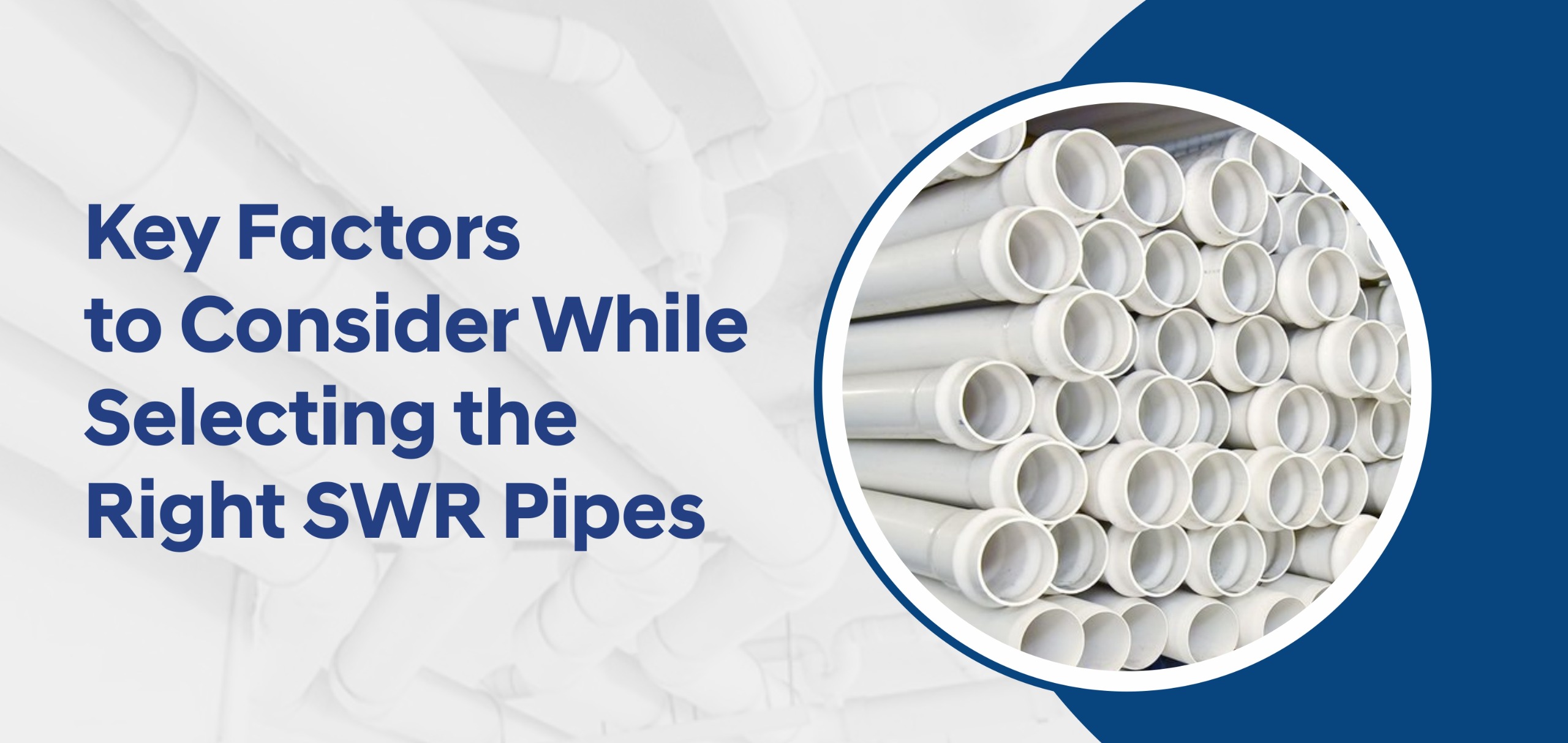
Choosing the right piping system is one of the simplest ways to prevent future repairs, leaks and structural damage. Many homeowners and builders underestimate the long term impact of choosing reliable SWR pipes for drainage and wastewater management. A good pipe system supports smooth discharge, prevents unpleasant odour, and keeps both residential and commercial spaces functioning efficiently. With a variety of materials available today, selecting the right option can feel confusing. The good news is that understanding a few essential factors makes the process a lot easier. This guide walks you through what to look for, how to compare different options, and why modern materials have become so popular for new construction as well as renovation projects.
Why Quality Matters in SWR Systems
A high performing piping system supports the movement of wastewater, ventilation air, and rainwater without creating blockages or leaks. When the system is built with durable materials, maintenance becomes minimal. Poor quality pipes often fail because they cannot withstand changes in temperature, internal pressure, or chemical exposure. There is also the risk of corrosion, which leads to long term contamination and structural weakness. A well designed system reduces these risks significantly and keeps your building safer. More importantly, quality pipes help reduce noise during flow and keep air circulating correctly through the stack. Small details like these contribute to better hygiene for both homes and commercial buildings, and thus also lower repair expenses over time.
Key Features to Look For
In comparing different options, some of the key features for a product stand out. These features allow you to discern whether the piping system can survive years of application in the most diverse environments.
• Resistance to corrosion and chemicals
• Smooth internal surfaces for fast flow
• Lightweight construction for easy installation
• Leak proof joints and secure sealing
• Stability in changing temperature conditions
• External exposure compatibility
A system that meets these criteria is likely to provide long term reliability. For example, many modern systems are designed to allow natural expansion and contraction. This helps them perform well in both residential and commercial settings where load conditions can vary throughout the day.
Benefits of Modern Drainage Materials
One of the reasons builders like newer piping solutions is that they can be installed quickly and do not require the use of heavy tools. Their lightweight nature makes transport and handling simpler, especially when moving large quantities. Not only that, it also requires fewer personnel to handle, which means less of a dent in your pocket. Smooth internal surfaces help handle a high flow of liquids without disruption. This is particularly useful for buildings that experience sudden bursts of wastewater discharge. Many modern pipes also offer better safety because they resist contamination even when exposed to harsh or toxic substances. Their structure remains stable when used outdoors in direct sunlight, thanks to UV-resistant compounds that prevent surface degradation. Even rodents are unable to damage these materials because of the treatments applied during manufacturing. The result is a long lasting system that requires limited maintenance.
Choosing the Right Material
Material selection plays a key role in the performance of a drainage system. In many projects, builders prefer uPVC SWR pipes and fittings because of their durability and resistance to weather changes. This material performs well in bathrooms, kitchens, commercial restrooms, as well as open outdoor areas. It does not rust or react with chemicals, which makes it suitable for industrial environments. Since uPVC is non-porous, it keeps the system hygienic and prevents build-up that leads to odours. The installation process is also quite straightforward because of the precision design of the joints. The fittings lock securely with minimal effort, reducing the risk of leakage and misalignment.
Comparing Options for Different Building Types
The needs of residential buildings vary from those of commercial complexes. Homes usually require smaller systems that can handle routine flow, while commercial spaces need stronger solutions that support larger volumes of wastewater. In both cases, it helps to choose a product that can manage pressure changes, temperature shifts, and external exposure. For heavier applications, many contractors recommend using materials that have been tested against corrosion and chemical exposure. A solution like uPVC SWR pipe often works in diverse settings because it balances strength with ease of handling. Its lightweight form speeds up installation on large sites and helps teams work more efficiently.
Practical Considerations Before Installing
Before committing to a piping solution, it helps to review a few practical factors.
• Length of pipe runs and number of fittings needed
• Accessibility for future maintenance
• Environmental exposure in outdoor areas
• Flow rate requirements in commercial sections
• Compatibility with existing drainage lines
• Budget and lifecycle cost
A system that appears inexpensive at first might become costly if it requires frequent repair. In contrast, a durable system with a longer lifespan reduces long term expenses. It is always helpful to discuss requirements with a building engineer or contractor who understands local regulations and structural conditions.
Installation and Maintenance Tips
Choosing the right piping solution is only the first step. Proper installation ensures long-term performance and reliability. The following key points can help maintain a smooth, leak-free system:
- Secure joints without overtightening: Apply a firm yet gentle fit to avoid damaging seals and to maintain leak-proof connections.
- Confirm proper pipe alignment: Ensure pipes are correctly positioned before sealing, as misalignment can lead to stress and future failure.
- Inspect the system periodically: Regular checks can catch small issues early and prevent them from growing into major problems.
- Maintain cleanliness around the system: Keep the surrounding area free of debris and prevent foreign substances from entering the piping.
A well-designed and properly maintained system typically requires minimal upkeep, allowing it to perform dependably over time.
Conclusion
Selecting the right piping system becomes easier when you understand the features that matter most. Whether you are upgrading a home or setting up a large commercial building, the goal is the same, which is to choose a system that supports smooth flow, prevents contamination, and lasts for years without excessive maintenance. Modern solutions offer a strong combination of durability and convenience, which is why they have become so widely used. Many manufacturers follow strict performance standards, and brands like TMT Plus focus on durable uPVC SWR systems designed for long-term stability across diverse environments.Their performance in both indoor and outdoor environments makes them suitable for a variety of applications. When in doubt, partnering with an experienced SWR pipes and fittings manufacturer can help you choose a system that fits your project perfectly and supports long term reliability.