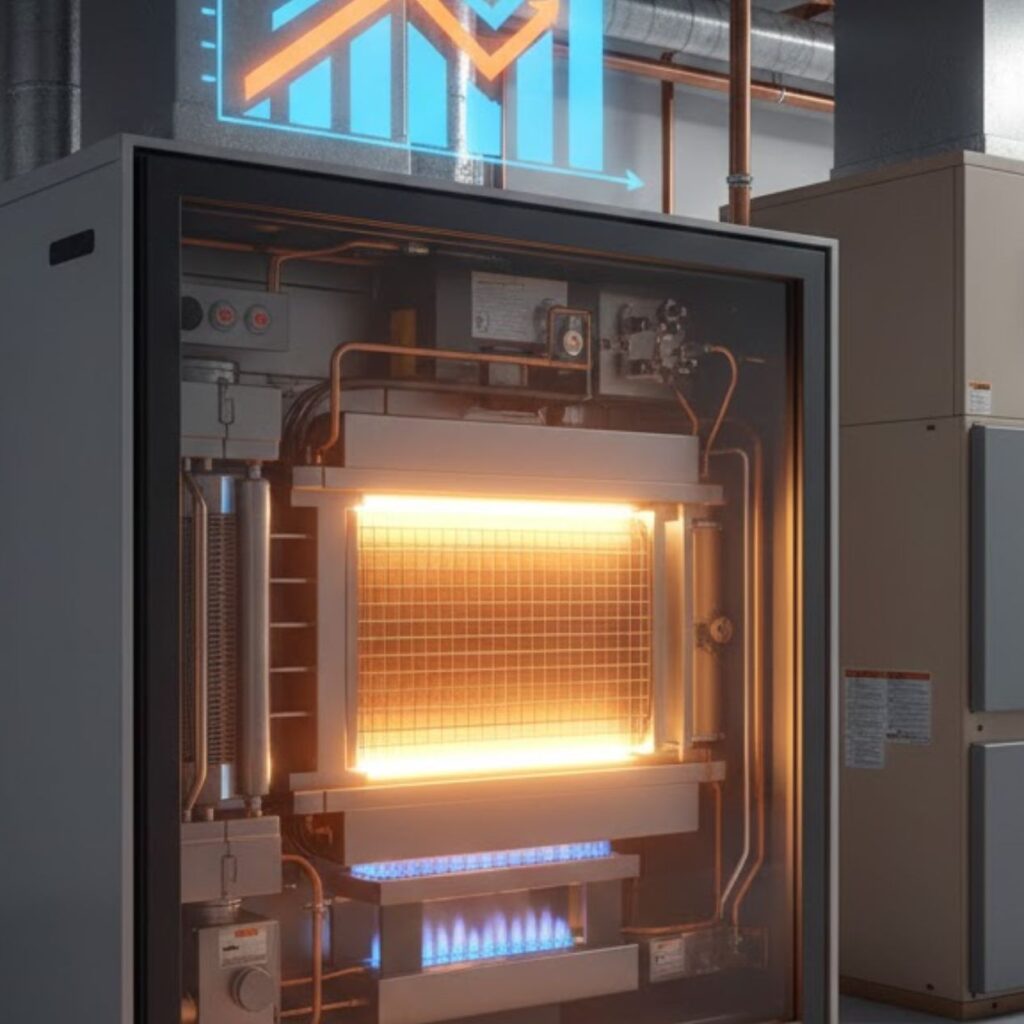

Choosing the right heating system can make a big difference in comfort and monthly energy costs.
Gas furnaces have become one of the most popular choices for homeowners who want reliable and efficient heating.
While many heating systems are available today, gas furnaces stand out for their strong performance, long life, and energy-saving features. Companies like The AC Outlet often help homeowners understand what factors actually make one furnace more efficient than another. In this article, readers will learn what affects furnace efficiency, how modern furnaces save energy, and what features matter the most.
What Efficiency Means in Gas Furnaces
Efficiency in gas furnaces simply refers to how much of the fuel the system turns into usable heat. When a furnace wastes less energy, it keeps the home warm with lower fuel use. This reduces utility bills and helps extend the furnace’s lifespan.
Why Furnace Efficiency Matters for Homeowners
Many homeowners want a heating system that warms the home quickly without raising energy costs. Higher efficiency means the furnace uses less fuel to produce the same amount of heat. This also lowers carbon emissions, making the home more environmentally friendly.
How Efficiency Is Measured
The efficiency of gas furnaces is measured with a rating called AFUE, which stands for Annual Fuel Utilization Efficiency. A furnace with an AFUE of 90 percent converts 90 percent of its fuel into heat. Anything above 90 percent is considered high efficiency.
The Role of AFUE in Identifying High-Efficiency Gas Furnaces
Modern high-efficiency gas furnaces usually have an AFUE between 90 and 98 percent. Older models often have much lower ratings, sometimes as low as 60 percent.
Why Higher AFUE Ratings Matter
A higher AFUE rating means the furnace wastes less heat during the combustion process. Homeowners who switch from an older, low-efficiency unit to a high-efficiency furnace often notice lower gas bills soon after installation.
The Impact of Venting Systems on Efficiency
Traditional furnaces release heat through the chimney. High-efficiency models use sealed combustion and PVC venting, allowing them to save more heat instead of losing it outside. This small change results in major energy savings.
How Modern Technology Boosts Efficiency in Gas Furnaces
Today’s furnace designs focus on using energy wisely, improving airflow, and controlling heat distribution.
Variable-Speed Blower Motors
A variable-speed motor adjusts how much air flows through the system depending on the home’s needs. Instead of blasting air on full power every time, it works quietly and smoothly.
Two-Stage and Modulating Burners
Older furnaces only turn on and off. Modern gas furnaces can run at different heat levels. They don’t need to burn fuel at full power every time, which saves energy and creates steady, even temperatures.
Smart Controls and Thermostats
Some furnaces now use smart thermostats that learn heating patterns and adjust automatically. This reduces waste and makes the home more comfortable.
How Heat Exchangers Improve Furnace Efficiency
The heat exchanger is the part of the furnace that transfers heat into the air.
What Makes Heat Exchangers Important
If the heat exchanger is well designed, it captures more heat before air moves into the ducts. This means less wasted energy and better warmth throughout the home.
Secondary Heat Exchangers in High-Efficiency Furnaces
High-efficiency models include a second heat exchanger that removes even more heat from the exhaust air. This is one of the biggest reasons premium gas furnaces reach efficiency levels above 95 percent.
The Importance of Proper Sizing for Gas Furnaces
A furnace may be efficient only if it is the right size for the home.
How Oversized Furnaces Waste Energy
When a furnace is too large, it heats the home too quickly and shuts off. This constant on-and-off cycle wastes fuel and shortens the furnace’s life.
How Undersized Furnaces Can Also Waste Energy
A furnace that is too small struggles to keep up with demand. It runs nonstop, raising energy bills and wearing down faster.
Why Professional Sizing Matters
Companies like The AC Outlet use professional tools to calculate the right size furnace for each home. Proper sizing ensures the unit works efficiently for many years.
Airflow and Ductwork: Hidden Factors That Affect Efficiency
Even the best furnace cannot perform well without proper airflow.
The Role of Duct Design
Poor duct design makes air move slowly, causing uneven heating and extra strain on the system. Good ducts support the furnace’s efficiency by allowing air to flow easily.
Why Air Leaks Reduce Efficiency
Duct leaks allow heated air to escape into walls, attics, or basements. Fixing these leaks boosts overall efficiency and comfort.
Regular Maintenance and Its Impact on Furnace Efficiency
Even efficient gas furnaces need regular care to maintain performance.
How Maintenance Improves Efficiency
Simple tasks like cleaning filters, clearing debris, and checking the blower motor can prevent airflow problems that affect performance.
The Importance of Annual Tune-Ups
Professional technicians check fuel lines, electrical components, safety sensors, and burners. These tune-ups keep the furnace running safely and help it stay energy-efficient throughout its life.
Why Ignoring Maintenance Costs More
When homeowners skip maintenance, the furnace works harder to deliver heat. This leads to higher bills and more repairs.
Why High-Efficiency Gas Furnaces Cost More Upfront
Many people wonder why high-efficiency furnaces have higher price tags.
Advanced Components
Features like secondary heat exchangers, variable-speed motors, and advanced controls add to the cost but offer long-term savings.
Lower Monthly Bills Over Time
Although the initial cost may be higher, the monthly savings on utility bills usually make up for the investment.
Increased Home Comfort
High-efficiency gas furnaces heat the home more evenly and quietly, giving better comfort throughout the winter.
Environmental Benefits of Efficient Gas Furnaces
Energy-efficient furnaces use less fuel, which reduces pollution and carbon emissions.
Cleaner Indoor Air
An efficient heating system reduces soot and combustion byproducts, leading to cleaner indoor air.
Lower Energy Waste
Reduced energy waste means the furnace works smarter, not harder. This supports a more sustainable lifestyle for homeowners.
Common Features Found in Today’s Most Efficient Gas Furnaces
Modern furnaces come with a variety of features that work together to reduce energy use.
Sealed Combustion
This design pulls air from outside instead of inside the home. This prevents heat loss and improves safety.
Condensing Technology
Condensing furnaces recycle heat from exhaust gases, pushing efficiency levels to nearly 98 percent.
Electronic Ignition Systems
Older systems used pilot lights that burned gas nonstop. Newer systems ignite only when needed, saving fuel.
How The AC Outlet Helps Homeowners Select Efficient Gas Furnaces
Choosing the right furnace involves understanding sizing, features, and installation needs.
Professional Installation
The AC Outlet ensures the furnace is installed correctly, which is essential for proper efficiency.
Guidance on Energy-Saving Features
They help homeowners understand which features matter for their home, climate, and budget.
Support After Installation
The AC Outlet provides ongoing support so the furnace stays efficient throughout its life.
The Real-World Benefits That Homeowners Notice After Upgrading
Many homeowners notice immediate improvements after installing a high-efficiency furnace.
Lower Monthly Heating Bills
Using less fuel means paying less every month.
Quieter Heating Experience
Two-stage burners and variable-speed fans produce much less noise.
More Even Temperatures
Instead of heating in bursts, the furnace maintains a steady, comfortable warmth.
The Future of Gas Furnace Efficiency
Technology continues to evolve, making future systems even more efficient.
Integration With Smart Home Systems
More furnaces are being built to work with smart home devices for better control and monitoring.
Improved Heat Recovery
Manufacturers are designing better heat exchangers to capture more heat with less fuel.
Higher Efficiency Standards
Government regulations push companies to improve furnace technology, benefiting homeowners.
Conclusion
After reviewing the factors that influence furnace efficiency, it becomes clear why gas furnaces remain a leading choice for homeowners. Modern technology, improved heat exchangers, smart controls, and proper installation all contribute to better performance and lower energy use. When supported by professional guidance from companies like The AC Outlet, homeowners gain a heating system that offers comfort, reliability, and long-term energy savings. From a third-person perspective, gas furnaces stand out because they provide strong results, consistent comfort, and a practical solution for anyone wanting efficient home heating.
Here, you can find more articles.