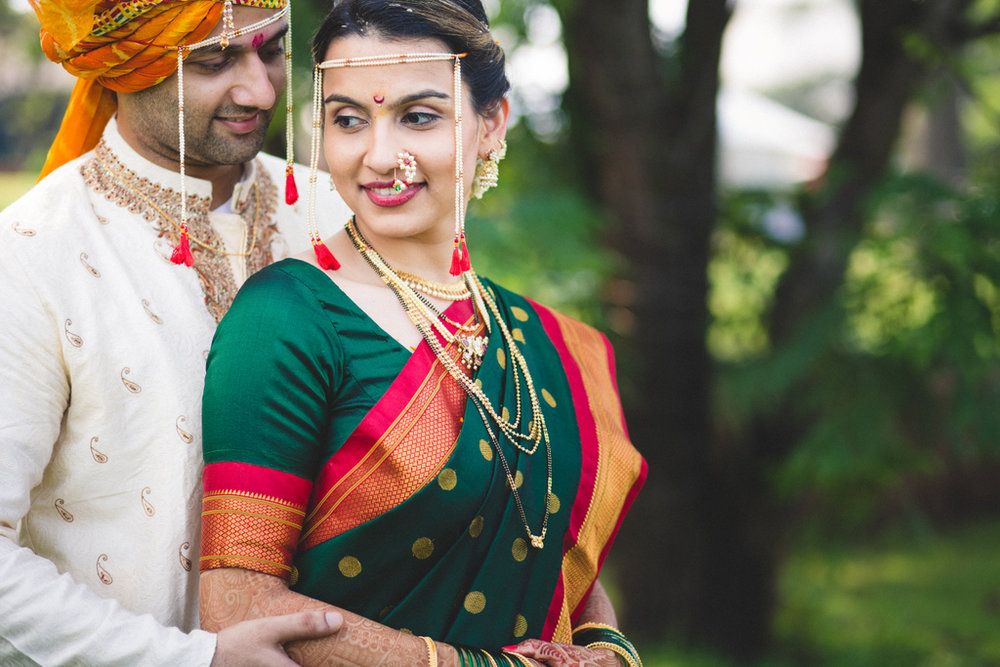

In the vibrant cultural tapestry of India, Maharashtrian weddings hold a special place for their simplicity, spirituality, and deep-rooted traditions. Every ritual from the joyful Sakhar Puda to the sacred Saptapadi symbolizes not only the union of two individuals but also the coming together of two families.
For individuals seeking a serious, long-term relationship through Marathi matrimony, understanding these customs provides valuable insight into the values, beliefs, and familial harmony that shape Maharashtrian marriages. This guide offers a detailed look at each stage of a traditional Maharashtrian wedding, its meaning, and its continued relevance in modern times.
1. The Beginning: Sakhar Puda (Engagement Ceremony)
The journey of a Maharashtrian marriage often begins with the Sakhar Puda ceremony, a pre-wedding ritual that marks the official engagement of the couple.
In Marathi, Sakhar Puda literally translates to “packet of sugar.” During this ceremony, the groom’s mother offers a packet of sugar to the bride, symbolizing the sweetness expected in their future life together. The bride’s family reciprocates by presenting gifts and sweets to the groom.
It is not merely a social event—it is a public declaration of the families’ consent and blessings for the marriage. Traditionally, this ceremony also signifies that both families will now refrain from seeking other matrimonial alliances for their children.
In modern times, while many couples meet through Marathi matrimony websites or family introductions, Sakhar Puda continues to hold emotional significance, blending tradition with contemporary values.
2. Lagnaachya Karya: Pre-Wedding Rituals
Once the engagement is complete, preparations for the wedding begin in earnest. Several rituals take place in the days leading up to the wedding, each rich in symbolism.
Kelvan
Kelvan is a pre-wedding feast organized by both families to honor their family deities (Kuldevata or Kuldevi). The bride and groom, along with their close relatives, seek blessings for a smooth and prosperous married life.
Halad Chadavane (Haldi Ceremony)
In this joyous ritual, turmeric paste is applied to both the bride and groom in their respective homes. The yellow color represents purity, prosperity, and protection from evil. This ceremony also symbolizes the transition from singlehood to marital life.
The Halad Chadavane is often accompanied by traditional songs, laughter, and blessings from elders creating an atmosphere of warmth and celebration.
3. The Wedding Day: Sacred Rituals and Spiritual Union
Maharashtrian weddings are known for their punctuality, minimalism, and adherence to auspicious timings determined by astrology (Muhurat). The ceremonies are deeply rooted in Vedic traditions, reflecting both spiritual and cultural significance.
Gaurihar Puja
On the morning of the wedding, the bride performs the Gaurihar Puja, where she prays to Goddess Parvati (also known as Gauri) for a happy and fulfilling married life. This ritual symbolizes the bride’s readiness to embrace her new role as a wife.
Antarpat and Mangalashtak
During the wedding ceremony, the bride and groom are separated by a silk cloth called the Antarpat. The priest chants Mangalashtak—sacred wedding hymns—invoking blessings from the deities.
As the last Mangalashtak is recited, the Antarpat is lowered, and the couple exchanges garlands, signifying their acceptance of each other as partners.
Kanyadaan
This ritual marks the formal giving away of the bride by her parents. The father of the bride places her hand in the groom’s, entrusting her happiness and well-being to him. It represents the sacred bond between the two families and is one of the most emotional moments of the ceremony.
4. The Sacred Steps: Saptapadi
The Saptapadi, or “seven steps,” is the spiritual core of the Maharashtrian wedding. The couple takes seven symbolic steps around the holy fire (Agni), each step representing a vow that strengthens their marital bond.
- First Step – To provide for each other and share responsibilities.
- Second Step – To grow together in strength and prosperity.
- Third Step – To share happiness and spiritual growth.
- Fourth Step – To respect and support each other in every phase of life.
- Fifth Step – To care for their family and future generations.
- Sixth Step – To live a life of peace, harmony, and trust.
- Seventh Step – To remain lifelong companions, loyal and devoted to one another.
Once these vows are completed, the couple is considered officially married in the eyes of both family and faith.
5. Post-Wedding Traditions: Grihapravesh and Reception
After the wedding, the bride bids farewell to her parental home in an emotional ritual known as Varat. Upon arriving at her new home, she is welcomed by her in-laws through the Grihapravesh ceremony. The bride gently knocks over a pot filled with rice before stepping into the house, symbolizing prosperity and abundance entering the home.
A reception (Satkar) often follows, where the newlyweds are introduced to extended family and friends. Today, this celebration blends modern elegance with traditional hospitality, reflecting how Maharashtrian culture continues to evolve while honoring its roots.
Why Understanding These Traditions Matters
For individuals using Marathi matrimony platforms to find a compatible partner, learning about these rituals is more than cultural curiosity it’s a way to understand the emotional and spiritual foundations of Marathi marriages.
Each ritual emphasizes values like respect, commitment, family unity, and devotion, which are integral to a lasting relationship. Whether one follows every tradition or adapts them to modern life, these customs continue to inspire a deep sense of belonging and connection.
Frequently Asked Questions (FAQs)
1. What is the significance of Sakhar Puda in a Maharashtrian wedding?
Sakhar Puda symbolizes the official engagement and the families’ agreement to the marriage. It marks the beginning of the wedding preparations and represents sweetness and harmony in the couple’s future life.
2. Why is turmeric used in the Halad Chadavane ceremony?
Turmeric is considered auspicious in Indian culture. In the Halad Chadavane, it purifies and beautifies the bride and groom while also serving as a blessing for prosperity and good health.
3. What do the seven steps (Saptapadi) represent?
Each step in the Saptapadi signifies a vow of partnership—covering shared responsibilities, prosperity, mutual respect, family well-being, and lifelong companionship.
4. Is astrology important in Marathi matrimonial traditions?
Yes, astrology plays a key role in determining compatibility between prospective partners. Families often consult astrologers to match horoscopes before proceeding with the engagement or wedding date.
5. How are modern Maharashtrian weddings changing today?
While the essence of the rituals remains, many couples now blend traditional customs with modern elements such as destination weddings, contemporary décor, and digital matchmaking through Marathi matrimony sites.
Conclusion
From Sakhar Puda to Saptapadi, each Maharashtrian wedding ritual carries deep symbolic meaning and timeless beauty. These customs reflect the values of love, respect, and unity that lie at the heart of Marathi culture.
For those seeking a life partner through Marathi matrimony, understanding these traditions not only strengthens cultural appreciation but also enriches the journey toward building a lifelong, meaningful relationship.