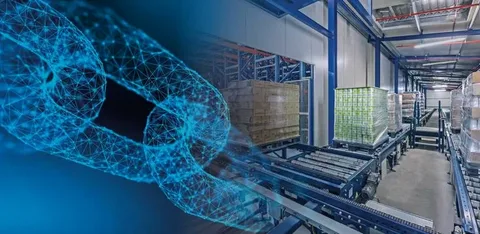

In today’s fast-paced business environment, supply operations are no longer just about moving products from one place to another. The integration of data and analytics has transformed supply chain network design and optimization, enabling companies to plan, manage, and optimize every part of their supply chains efficiently. By leveraging analytics, businesses can anticipate demand, optimize transportation, and improve warehouse operations while reducing costs and enhancing customer satisfaction.
Data in supply operations is more than just numbers. It represents insights from suppliers, inventory levels, transportation networks, and customer behavior. When analyzed properly, this data allows organizations to design their supply networks strategically and optimize operations proactively rather than reactively. Companies that fail to use data-driven strategies risk inefficiencies, increased costs, and slower response times.
Understanding Supply Chain Network Design
Supply chain network design involves creating the blueprint of a company’s supply chain. It defines how suppliers, manufacturing plants, warehouses, and distribution centers are connected to ensure products reach customers efficiently. A well-designed network considers factors like transportation costs, inventory placement, service levels, and geographic coverage.
Designing an effective network is a complex process that requires analyzing historical data, demand patterns, and supplier capabilities. Poor network design can lead to delayed deliveries, high transportation costs, and excess inventory. On the other hand, a data-driven network design ensures optimal flow of goods and resources, helping businesses achieve cost efficiency and customer satisfaction simultaneously.
The Role of Analytics in Optimization
Once a supply chain network is designed, analytics is used to continuously optimize it. Supply chain network optimization focuses on improving operational efficiency and reducing costs while meeting service goals. Predictive analytics allows businesses to forecast demand accurately, plan inventory levels, and allocate resources effectively. By simulating different scenarios, companies can identify bottlenecks, test alternative distribution strategies, and make informed decisions.
Analytics also improves warehouse operations and inventory management. By analyzing data on storage patterns, product turnover, and order fulfillment times, companies can redesign warehouses for better efficiency. Inventory optimization ensures that the right products are in the right place at the right time, reducing stockouts and minimizing holding costs.
Enhancing Transportation and Logistics
Transportation is a major component of supply operations, and analytics plays a critical role in optimizing logistics networks. Route optimization algorithms analyze traffic patterns, delivery schedules, and fuel costs to identify the most efficient routes. Predictive maintenance analytics helps prevent vehicle breakdowns, ensuring timely deliveries.
With real-time data, companies can monitor shipments, detect delays, and adjust plans immediately. This level of visibility enables better coordination between suppliers, carriers, and distribution centers, making the supply chain more responsive and agile.
Real-Time Decision-Making and Visibility
One of the most transformative aspects of data and analytics is real-time visibility. Companies can track inventory levels, monitor supplier performance, and manage transportation in real time. This visibility allows managers to respond quickly to unexpected disruptions, whether due to demand spikes, supply shortages, or logistical challenges.
Real-time analytics also supports collaboration across the supply chain. Suppliers, manufacturers, and distributors can share information seamlessly, aligning production schedules, inventory replenishment, and distribution plans. This improves efficiency, reduces errors, and ensures that the network operates smoothly.
Data-Driven Supplier and Risk Management
Supply chain network optimization isn’t limited to internal operations; it extends to supplier management and risk mitigation. Analytics can assess supplier performance using metrics such as delivery reliability, quality compliance, and lead times. Identifying underperforming suppliers or potential risks allows companies to take corrective action before problems impact operations.
Predictive models also help businesses anticipate disruptions from natural disasters, geopolitical events, or market volatility. By evaluating different scenarios, companies can create contingency plans and maintain continuity, ensuring that their supply networks remain resilient.
Strategic Improvements and Innovation
Data and analytics provide insights that drive strategic improvements in supply chain networks. Companies can evaluate different network configurations, decide on warehouse locations, and optimize transportation routes to reduce costs and improve service levels. Advanced analytics also supports sustainability initiatives by identifying opportunities to reduce fuel consumption, lower carbon emissions, and implement greener logistics practices.
Moreover, data-driven decision-making fosters continuous improvement. Companies can track key performance indicators (KPIs), benchmark performance against industry standards, and implement process enhancements. This ensures the supply chain network remains flexible, efficient, and capable of adapting to evolving market conditions.
The Future of Supply Chain Network Design and Optimization
The future of supply operations lies in advanced analytics, artificial intelligence, and machine learning. These technologies enable more accurate forecasting, real-time decision-making, and autonomous supply chain processes. Emerging tools like the Internet of Things (IoT) provide continuous data from sensors, vehicles, and warehouses, improving visibility and predictive capabilities.
Companies that adopt these innovations can create highly efficient, resilient, and customer-focused supply networks. Those who fail to integrate data-driven approaches risk losing their competitive advantage in a market where speed, accuracy, and efficiency are paramount.
Conclusion
Data and analytics have become essential in transforming supply operations. By enabling supply chain network design and optimization, companies can improve efficiency, reduce costs, enhance service levels, and make informed, proactive decisions. From inventory management to transportation, supplier performance, and strategic planning, every aspect of supply operations benefits from a data-driven approach.
Organizations that embrace data and analytics can turn their supply chain networks into strategic assets rather than just operational functions. In a world where customer expectations are high and competition is intense, leveraging data is no longer optional—it is critical for success.