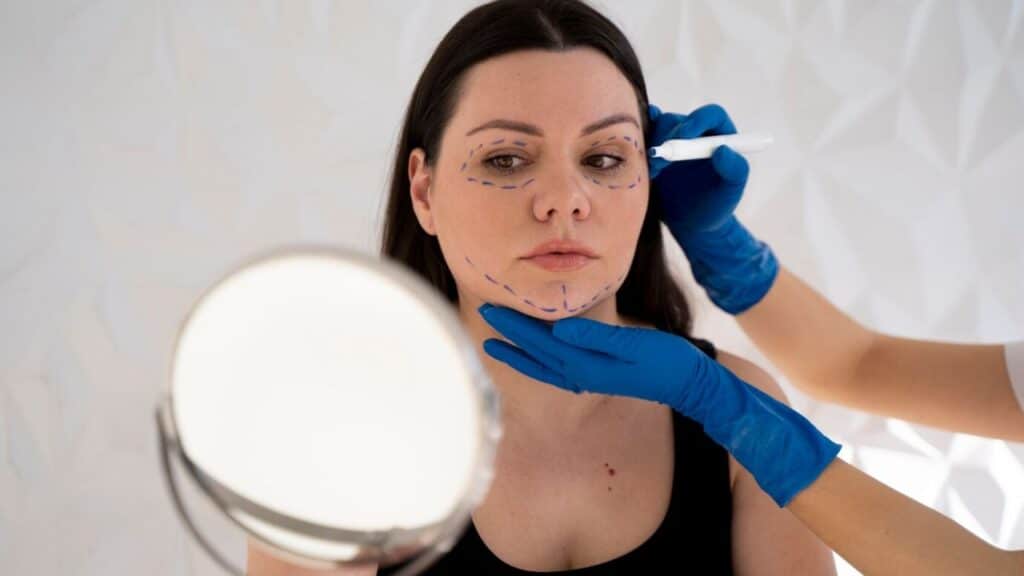

Polynucleotide (PN) treatment is emerging as one of the most promising advances in dermatology and aesthetic medicine. While traditional injectables like hyaluronic acid and botulinum toxin primarily restore volume or temporarily block muscle activity, polynucleotides work at a more fundamental, biological level: they aim to support the skin’s natural repair mechanisms.
That makes them especially interesting not only for wrinkle reduction and skin quality enhancement but also for wound healing, scar improvement, and long-term tissue health.
What are polynucleotides?
Polynucleotides are long chains of nucleotides, the molecular building blocks that compose genetic material (DNA and RNA). In clinical formulations used for skin treatments, these are not live genetic materials intended to alter genes.
Instead, they are purified, highly processed fragments derived from biological sources (often fish or other controlled sources) that are formulated into gels or solutions suitable for injection. Their therapeutic value appears to come from a combination of biophysical and biochemical actions when placed into the dermis or subdermis.
How they work — a supportive, regenerative approach
The mechanism of action for polynucleotide treatments is multi-layered and still under active study, but the main proposed effects are:
Scaffold effect and hydration: PN gels create a viscoelastic matrix in the dermis. This matrix can provide immediate structural support (helping skin appear firmer) and retain water, improving hydration and elasticity.
Cell signaling and extracellular matrix (ECM) modulation: PN fragments are thought to interact with dermal cells — fibroblasts, endothelial cells, and immune cells — through receptor-mediated pathways or by altering local biochemical cues. This interaction can stimulate fibroblasts to increase production of collagen, elastin, and other ECM components essential for youthful skin architecture.
Anti-inflammatory and antioxidative environment: Some studies and clinical observations suggest that PN injections reduce local inflammation and oxidative stress, creating a more favorable environment for tissue repair and remodeling. That makes them attractive in settings where chronic inflammation impairs healing.
Angiogenesis and tissue perfusion: Improved microcirculation has been reported after PN treatment in some contexts, which can enhance nutrient and oxygen delivery to the treated tissue — a useful property in wound healing and rejuvenation.
Importantly, PN-based therapies are intended to work alongside the skin’s natural regenerative capacity rather than replace it. This is why clinicians sometimes refer to polynucleotides as “biostimulatory” rather than simply filling or paralyzing agents.
Clinical uses and outcomes
Polynucleotide preparations have been applied across a variety of dermatologic and aesthetic indications:
Skin quality and rejuvenation: Many patients report smoother texture, improved tone, and more hydrated skin after a course of PN injections. Effects tend to develop gradually as remodeling occurs and can last several months to over a year, depending on the product and protocol.
Wrinkle improvement and loss of elasticity: Because PN stimulates ECM synthesis, it can soften fine lines and restore some elasticity, especially when used in combination with complementary treatments (laser, microneedling, or conventional fillers).
Scar treatment and wound healing: PN formulations have been used to improve the appearance of atrophic scars and to accelerate healing in chronic or slow-to-heal wounds. The regenerative environment they promote may reduce scar formation and improve tissue quality.
Periorbital and thin-skin areas: The low-viscosity PN gels can be useful in delicate regions (under-eye hollows, thin skin zones) where thicker fillers would be inappropriate.
While many clinicians report favorable results, outcomes can vary with product composition, injection technique, and patient biology. Best results are seen with properly selected patients and realistic expectations.
Safety and side effects
Polynucleotide treatments are generally well tolerated. Because they are not living cells and do not contain active growth factors in high concentrations, the risk profile differs from cell-based therapies. Common short-term side effects include transient redness, swelling, bruising, and mild discomfort at the injection site. Rarely, nodules or prolonged inflammation may occur; these are usually manageable with conservative measures.
As with any biologic-derived product, there is a theoretical risk of allergic reaction, which is why a careful medical history and, in some cases, patch testing are prudent. Product sourcing and manufacturing quality are critically important — impurities or inconsistent processing could increase adverse events — so working with reputable brands and trained injectors is essential.
How PN differs from other regenerative options
Comparing polynucleotides to other regenerative modalities helps clarify when PN might be preferred:
Versus hyaluronic acid (HA) fillers: HA primarily restores volume and hydrates via its water-binding capacity. PN offers structural support plus a regenerative stimulus, potentially addressing skin quality more than HA alone.
Versus platelet-rich plasma (PRP): PRP uses a patient’s own platelets to deliver growth factors that stimulate repair. PRP is autologous and growth-factor rich, whereas PN is a standardized, non-cellular product that creates a scaffold and modulates cell behavior. Some practitioners combine PN with PRP for synergistic effects.
Versus stem-cell therapies: Stem-cell–based approaches aim to supply cells that can differentiate and directly participate in repair. PN is not cellular and therefore has a different safety and regulatory profile, often simpler from a logistical standpoint.
Practical considerations and protocols
Treatment protocols vary. Typical regimens use multiple sessions spaced a few weeks apart, followed by maintenance sessions several months later. Injection depth and pattern depend on the indication — superficial dermal injections for skin quality versus deeper subdermal placement for structural support. Combining PN with other therapies (e.g., microneedling, lasers, topical retinoids) is common and can enhance outcomes.
Patient selection matters: ideal candidates are those seeking skin texture and quality improvement, with realistic expectations and no active skin infections or uncontrolled systemic illnesses.
Future directions and research needs
Polynucleotide treatment is still evolving. Areas for future research include:
Directly comparing PN to other regenerative options in controlled clinical trials.
Elucidating molecular pathways to optimize formulations and dosing.
Long-term safety studies across diverse populations and indications.
Exploring combination protocols (PN + devices or biologics) to identify synergistic regimens.
If further high-quality evidence confirms current clinical impressions, PN could become a standard tool not only in aesthetic dermatology but also in reconstructive and wound-care settings.
Conclusion
Polynucleotide treatment represents a compelling, biologically oriented approach to skin regeneration. By providing structural scaffolding, modulating local cellular activity, reducing inflammation, and supporting ECM remodeling, PN therapies occupy a middle ground between simple fillers and complex cellular therapies.
For patients and clinicians seeking improvements in skin quality, scar appearance, and tissue health, PN offers a promising and generally well-tolerated option. As research continues and clinical experience grows, polynucleotides may well become a core element of regenerative dermatology, the next frontier in restoring healthy, resilient skin.