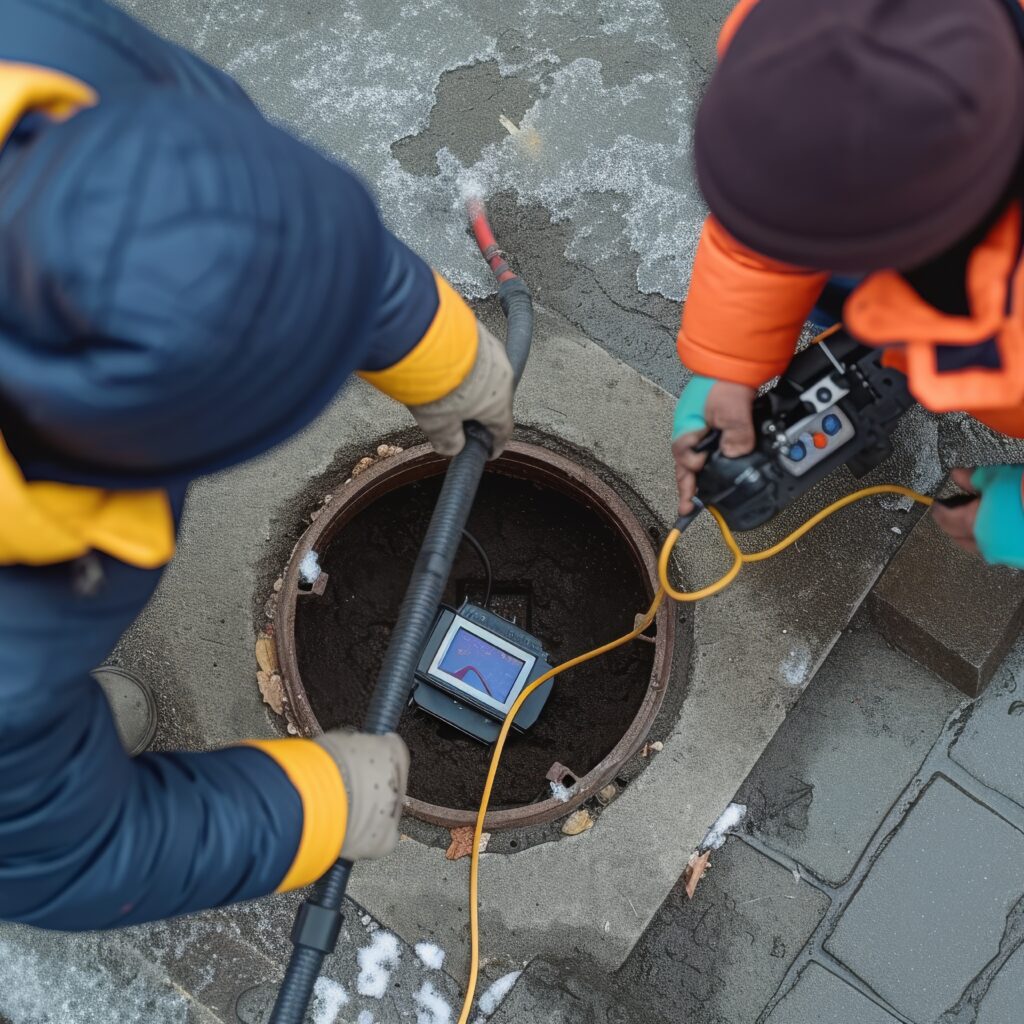

Drain issues can disrupt homes, businesses, and daily life more than people realise. From persistent blockages to water pooling around the property, drainage faults can quickly escalate into costly structural damage if ignored. This is where drain relining becomes one of the most valuable modern repair solutions. Instead of digging out damaged pipes, relining restores the interior of drains using a cured resin. It provides long-lasting protection, prevents recurring leaks, and saves the cost of full pipe replacement.
When drains collapse or deteriorate, many assume excavation is the only option. However, relining allows specialists to access affected pipes through small entry points and repair them internally. This trenchless method keeps flooring, landscaping, driveways, or commercial surfaces untouched, making the repair efficient, faster, and far more cost-effective.
How Drain Relining Works?
Drain relining focuses on reinforcing the structural integrity of existing pipework from the inside. Instead of removing damaged pipes, technicians insert a specialist liner into the drain. This liner is coated with a resin that cures and hardens once positioned correctly. After installation, the result is a fully restored pipe system that functions like new.
The process generally involves:
- Inspection using CCTV drain cameras
- Cleaning and descaling to remove debris, grease, or corrosion
- Applying the liner inside the pipe
- Curing the material, often through heat or UV methods
- Final re-inspection
The lining creates a smooth internal surface which improves flow, prevents cracks from re-opening, and protects the pipe against future corrosion. One of its biggest benefits is the extended lifespan as relined drains often remain structurally sound for decades.
What Types of Problems Can Relining Fix?
While blockages are the most common drain complaint, many underlying issues cause repeated clogs. Relining works particularly well with:
- Leaking joints
- Root intrusion
- Cracked or fractured pipes
- Wear caused by ageing or corrosion
- Water infiltration into the surrounding soil
Many properties experience minor leaks that go unnoticed until damp patches, mould, or subsidence emerge. By sealing gaps internally, relining stops these issues early, preventing structural damage beneath buildings. Interestingly, many clients first call specialists for drain unblocking in Southampton, believing the only issue is obstruction. After investigation, technicians often discover cracks, joint gaps, or collapsed sections. Relining becomes the ideal long-term solution because it stops the cycle of clearing and re-blocking.
Key Benefits of Drain Relining
Choosing relining instead of full excavation delivers a wide range of advantages for both residential and commercial properties:
- Minimal disruption: There is no digging, no mess, and outdoor flooring remains untouched.
- Cost-effective repairs: Labour time and restoration work are reduced significantly.
- Long-term durability: The cured liner strengthens ageing infrastructure.
- Better water flow: The smooth internal lining improves efficiency.
- Prevention of leaks and soil erosion: Structural integrity is restored immediately.
- Faster completion: Many relining jobs are completed within hours.
For any property owner facing persistent drain issues, relining provides both short-term relief and long-term drainage stability.
When Should Someone Consider Drain Relining?
Homeowners or businesses should consider relining if they notice any of the following:
- Localised Flooding
- Frequent Blockages
- Musty Smells Indoors
- Gurgling Sounds from Pipes
- Dampness Around Exterior Walls
- Slow Drainage Even After Clearing
- Water Pooling Outside the Property
A CCTV drain survey often reveals structural concerns that cannot be solved with basic unblocking or chemical treatments. In such cases, relining offers the most permanent solution.
A lesser-known benefit of relining is sustainability. Since damaged pipes remain intact, disposal and material replacement are reduced. Repairing instead of excavating preserves ground stability and prevents landscape destruction. New materials also improve water flow efficiency, reducing wastewater backup and moisture levels.
Modern resin systems are also engineered to withstand pressure, temperature changes, and exposure to groundwater. Many are certified with long-term durability ratings, making them suitable for older homes and newer commercial builds.
Conclusion
Drain relining is one of the smartest drainage solutions available today. It eliminates invasive digging, supports long-term pipe stability, and delivers an affordable alternative to full replacement. Whether caused by ageing pipes, structural damage, or persistent leaks, relining restores functionality with minimal disruption. As drainage systems play a vital role in property safety and hygiene, investing in modern repair solutions ensures clean water flow, prevents leaks, and avoids costly building damage. With a skilled team and thorough inspection, Fast Drains offers dependable, long-lasting results for homes, businesses, and shared premises.