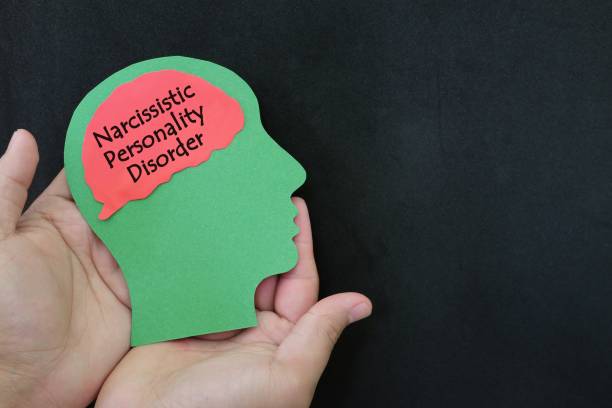

Sometimes people notice things about themselves that feel strange or worrying. Maybe you feel upset when ignored. Maybe you need praise to feel good. These feelings can raise quiet questions in your mind. This guide helps you know when it may be time to look deeper.
The word “narcissist” is used a lot online. It is often used the wrong way. This can scare people or make them feel judged. Learning the truth helps you feel calm and informed.
Taking a test is not about shame. It is about learning. When done at the right time, a test can help you understand yourself better and move forward with care.
Everyone Has Traits Sometimes
All people want attention sometimes. All people feel proud sometimes. This is normal and healthy. It does not mean there is a problem.
A disorder is not about one moment. It is about long patterns that show up again and again. These patterns affect daily life and relationships.
Knowing the difference helps you avoid fear. It also helps you choose the right next step.
When Problems Keep Repeating
Do the same problems keep happening in your life? Do friendships or jobs end in similar ways? This can feel tiring and confusing.
When problems repeat, it may mean something deeper is going on. These patterns are often hard to see alone.
A test can help shine light on habits you may not notice. Seeing patterns clearly can bring relief.
When People Say You Don’t Listen
Have people said you only care about yourself? Hearing this can hurt. It can also feel unfair.
Still, feedback matters when many people say the same thing. It may point to a blind spot.
A test can help you understand how others may see you. This knowledge can improve connections.
When Criticism Feels Too Painful
Most people dislike criticism. Some feel crushed by it. Even small comments can feel like attacks.
If criticism leads to anger, tears, or blame, it may be worth exploring why. Strong reactions often protect deep feelings.
A test can help you understand these reactions. Knowing why they happen makes them easier to manage.
When Caring About Others Feels Hard
Most people can feel what others feel. This is called empathy. It helps relationships grow.
Some people understand feelings with their mind but not their heart. This can make others feel unseen.
If this sounds familiar, a test may help. Awareness can lead to learning new skills.
When Praise Feels Like Oxygen
Praise feels good. But needing it all the time can feel stressful. Life may feel empty without it.
If you feel low when not admired, something deeper may be happening. Self-worth may depend on others.
A test can help explore this need. Understanding it can bring balance and peace.
When You Feel Special but Also Afraid
Some people feel better than others on the outside. Inside, they feel scared of failure.
This mix can feel confusing. Confidence and fear can live together.
Taking a narcissistic personality disorder test at this stage can help explain these feelings. Clarity can reduce inner stress.
When Relationships Feel One-Sided
Healthy relationships involve sharing. Both people matter. When one side always leads, problems grow.
If others feel ignored or used, it hurts trust. You may not mean to cause pain.
A test can help you see relationship habits. Change starts with understanding.
When You Feel Empty Inside
Feeling empty can be scary. Some people try to fill it with success, praise, or control.
The emptiness often stays. This can lead to boredom or restlessness.
A test can help uncover emotional needs. Knowing them helps you meet them in healthy ways.
When Anger Comes Quickly
Anger can rise fast for some people. Small issues feel huge. Others feel shocked.
Anger often hides fear or shame. It protects the ego.
A test can help explain anger patterns. Understanding brings calm.
When You Feel Curious, Not Judged
Not everyone takes a test because of pain. Some want to learn more about themselves.
Curiosity is healthy. It shows growth.
Testing can be a tool for self-discovery, not a label.
What a Test Really Does
A test is not a diagnosis. It is a guide. It shows patterns and traits.
It helps you decide what to do next. It does not define who you are.
Used wisely, it supports learning and growth.
When Testing Helps the Most
Testing helps when life feels stuck. When emotions or relationships suffer, insight matters.
It also helps before therapy. Clear insight saves time and energy.
The best time is when you feel open, not forced.
How to Take a Test Calmly
Take the test when you are relaxed. Answer honestly, not defensively.
There are no right or wrong answers. Only truth helps.
Be kind to yourself during the process.
After You Get Results
Results can feel surprising. They can also feel validating.
Take time to think. Do not rush to judge yourself.
Talking with a professional can help you understand results deeply.
Growth Is Always Possible
No matter the result, growth is possible. Brains can learn new ways.
Self-awareness is powerful. It leads to better choices.
Testing is a step, not the end.
Why Timing Is Important
Taking a test too early can scare you. Taking it too late can prolong pain.
The right time feels calm and curious.
Trust your readiness.
Final Thoughts
Learning about yourself is brave. It takes honesty and care.
Tests help guide understanding, not blame.
The goal is a better life, not a label.
A Helpful Resource
If you are looking for clear mental health information and self-screening tools, southernliveoakwellness.com. Offers educational resources designed to support understanding and healthy next steps.